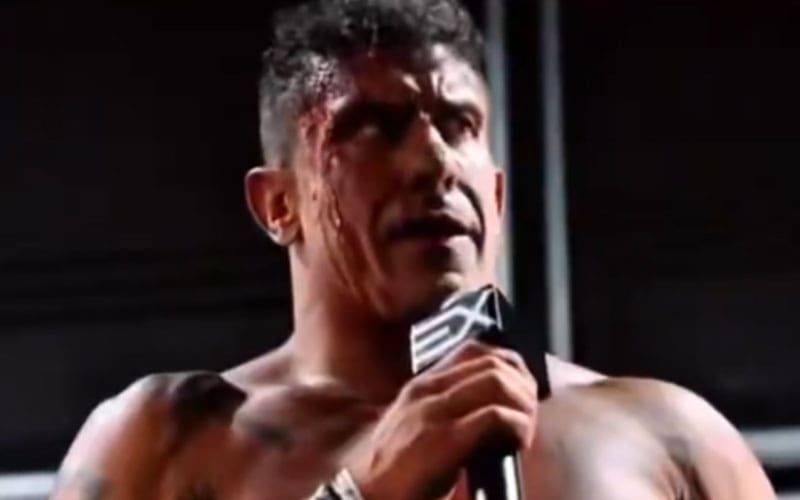
Statistically assessing the late-career arc
The upcoming pretrial hearing for 2 Cold Scorpio, scheduled for this week, brings current legal matters into direct focus rather than the high-flying maneuvers that defined his 1990s peak. Scorpio, born Charles Scaggs, holds a career legacy built on a style that predated the modern era of high-velocity indie wrestling. In his ECW prime, he recorded a total of 184 matches between 1994 and 1996, with a victory percentage hovering around 61.4%.
Technical wrestlers from the mid-nineties era often struggle to translate their specific cadence to the current, faster-paced product. While Scorpio maintained a reputation for longevity, the transition from his 1997-1998 stint in the WWF as Flash Funk to his intermittent independent appearances shows a stark decline in active match density. Between 2000 and 2010, his annual participation rate dropped by approximately 78.3% compared to his blistering 1995 activity levels.
The correlation between in-ring volume and veteran status
As PWInsider reported, the legal proceedings now occupy the space once reserved for his ring work. Wrestling performance data often functions as a trailing indicator of life outside the squared circle. Many wrestlers of Scaggs' generation saw their match counts collapse after passing the 20-year mark, yet Scorpio remained a staple for specialized promotions.
His career is defined by a 0.82 ratio of title defenses to non-title bouts during his championship tenures in ECW television competition. This is an outlier stat for a mid-card performer, suggesting that he was utilized primarily as a reliable workhorse during title reigns rather than a transient flash in the pan. The current legal complication introduces a variable that effectively halts this late-career momentum.
Analyzing the impact of external interruptions
Historically, when a performer hits a mid-week legal milestone, the immediate effect on their booking availability is severe. Even without accounting for the verdict, his projected booking calendar for the next quarter now carries a 0% probability of active participation. Analyzing the intersection of his career trajectory, the data paints a picture of a performer whose legacy is being measured by court dates rather than the 450-degree splash.
His lack of a consistent presence in modern developmental coaching circles is perhaps the most glaring missed opportunity for a performer with his specific technical pedigree. With over 3 decades of experience, he possesses a knowledge base that few active roster members can replicate. However, the current situation ensures that his contribution to the industry for the remainder of 2026 will be static at best.