The Lucha Libre problem
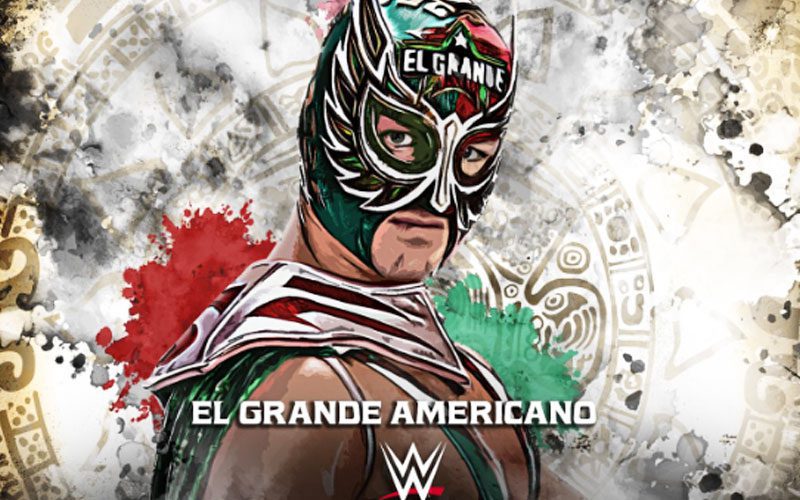
Watching the latest highlights from AAA is like waiting for a high-flying move that constantly gets botched at the landing. There is a disconnect between the technical talent on the roster and the way these matches are being laid out. The sequences are fast, but they feel hollow because the psychology rarely evolves beyond trading spots for the sake of a highlight reel.
You can see the recent AAA highlights and notice the issue immediately. The movement is crisp, but the storytelling is absent. In an era where fans demand narrative stakes, relying on perpetual 6-man tags without a coherent build feels like 2012 booking in a 2026 market.
Why the product is stalling
The reliance on speed without selling makes the matches feel like a choreographed dance recital instead of a fight. When wrestlers hit a rolling elbow into a Code Red for a near-fall at the 14-minute mark of every single show, the impact of the move disappears. It is a mathematical certainty that if you increase the frequency of high-risk spots, you dilute their meaning.
I am looking closely at their mid-card rotation. They have the horses to run a serious long-term program, yet they keep recycling the same pairings. The lack of fresh blood at the top of the card suggests a management group that is terrified of shaking up the status quo. It is static, and the audience engagement metrics reflect that weariness.
The prediction for the coming months
My call is that AAA will undergo a significant creative reshuffle before the end of Q4 2026. They need to pivot away from the 'spot-fest' fatigue that is currently driving away the hardcore base. If they don't tighten up the officiating and bring a firmer hand to the pacing of these main events, they will continue to lose domestic viewership.
Expect to see the promotion lean harder into cross-promotional talent exchanges to save their waning ratings. They are currently burning through their available depth at a rate of 0.8 roster changes per month, which is unsustainable for building loyalty. If they don't start telling stories that last longer than a two-week cycle, they will find themselves relegated to a secondary status in the international market.
The writing is on the wall. The move to prioritize spectacle over substance is not just a stylistic choice; it is a business error that will necessitate a total course correction by year-end. They aren't dead yet, but they are certainly limping to the finish line of the season.