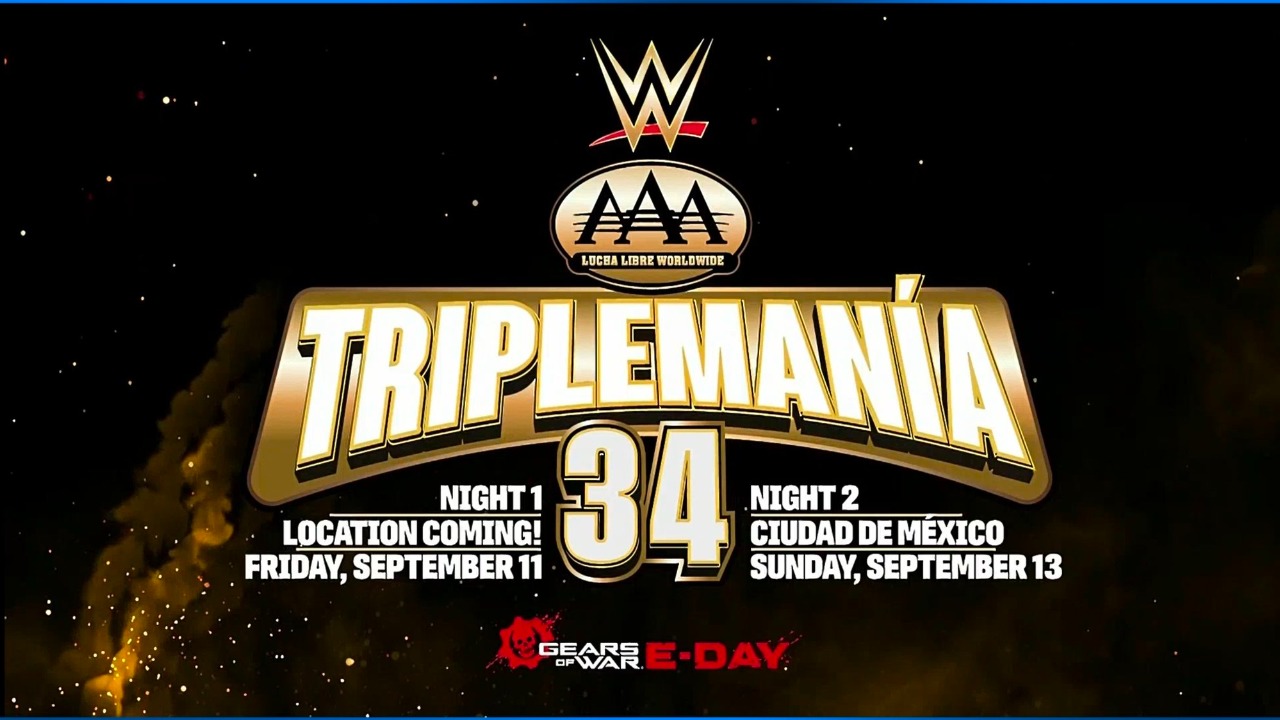
AAA's TripleMania location strategy is a logistical head-scratcher
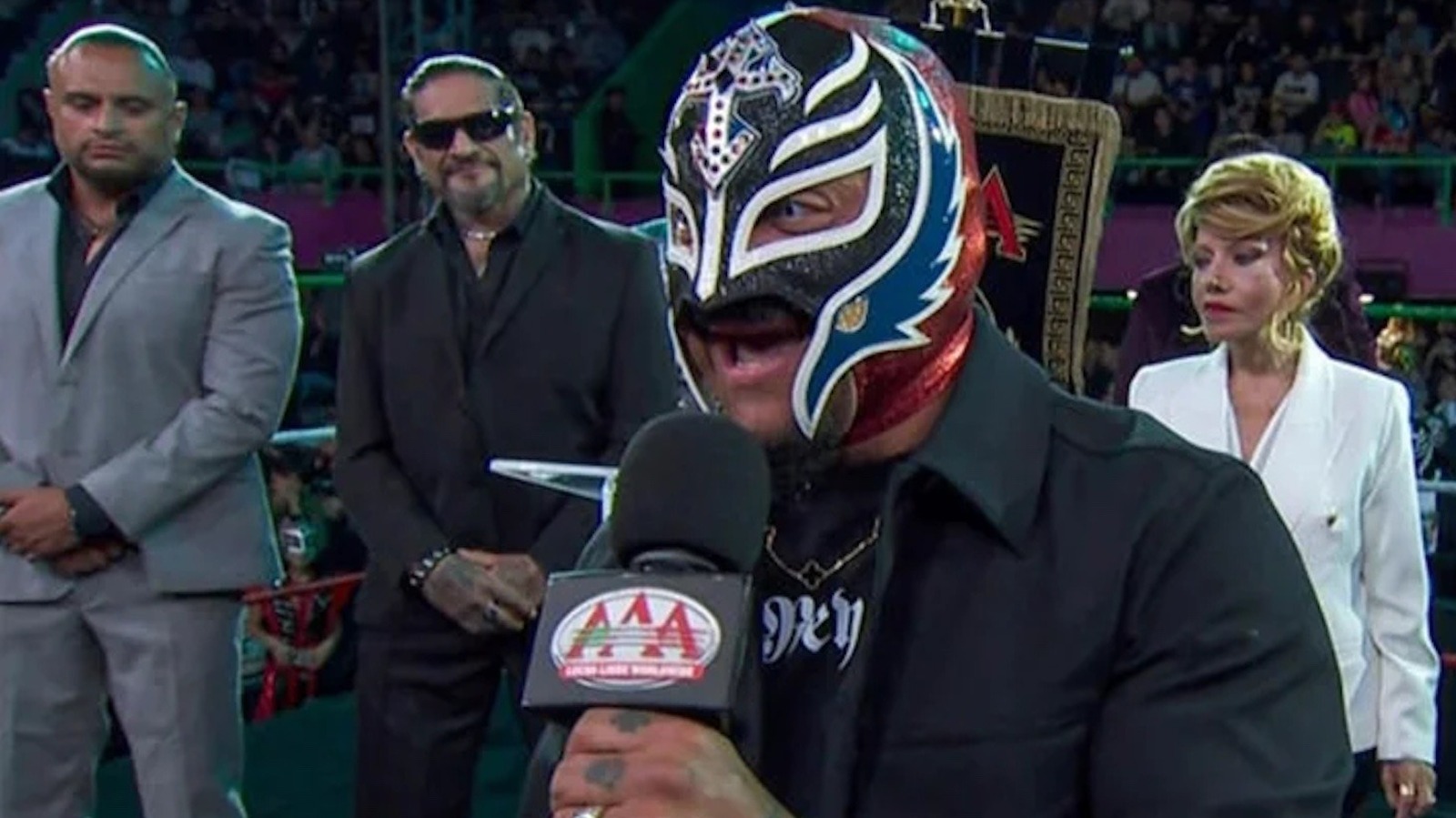
Fragmented geography threatens TripleMania momentum
AAA is splitting its most prestigious calendar event, TripleMania, across two cities and two nations this year. One half of the spectacle settles in Las Vegas, while the other remains anchored in Mexico City. From a tactical standpoint, this decision forces a choice between local loyalty and international expansion that ultimately serves neither audience fully.
As reported by Wrestling Inc, Dave Meltzer has provided context regarding why AAA opted for such a bifurcated path. The logistics of filling a singular large venue for a multi-day event are daunting, especially when trying to maintain core Mexican fans while courting a U.S. consumer base that has historically been lukewarm to AAA-exclusive programming.
The cost of chasing the Las Vegas market
Las Vegas is a graveyard for non-WWE wrestling promotions trying to capture the casual tourist market. AEW and ROH often struggle with attendance depth when venturing into Nevada, yet AAA believes the city provides a neutral ground. The issue is that TripleMania is built on the identity of the lucha libre heritage that flows through the arenas of Mexico City.
By diluting the card across two geographic poles, the promotion risks losing the unified, high-stakes narrative that typically defines a premier event. If the marquee matches are split, the audience is effectively forced to watch a disjointed product. A main event is only as compelling as the journey preceding it, and moving that journey halfway across the continent mid-show disrupts the rhythm.
Booking instability remains the underlying rot
Much like the booking volatility seen in AEW with Andrade El Idolo, moving the goalposts on venue choice reflects a promotion chasing short-term metrics. Andrade’s recurring issues with booking consistency highlight a broader industry trend where spectacle is prioritized over narrative density. When talent, such as Mike Santana and his current TNA run, faces questions about their next industrial landing spot, they need stable environments to hone their craft.
AAA is not providing stability here. They are providing a high-overhead gamble on a Vegas crowd that might not appreciate the nuances of the lucha style. Meanwhile, the Mexico City base is receiving only half of the intended pay-per-view impact. A promotion of AAA’s stature should look to concentrate its high-value talent in one location to build an undeniable intensity.
The missed analytical opportunity
The decision to split dates suggests a failure to read local demographics. In a world where wrestling fans are increasingly granular in their preferences, spreading the product thin is objectively flawed. A 50 percent reduction in concentration is a heavy toll to pay for a wider net that may not yield higher traffic. AAA needs to reconsider the utility of this split before the experiment results in two half-empty arenas rather than one sold-out, electric environment. Consistency governs success, and this move is a wild card in a data-driven game.
The Man: Not Your Average Average Girl
Becky Lynch's unfiltered, scrappy journey to the top of WWE.
Frequently Asked Questions
Why is AAA splitting TripleMania across two locations?
What are the risks of holding TripleMania events in Las Vegas?
How does the split affect the TripleMania event narrative?
What does the TripleMania split suggest about AAA's current booking strategy?
Why is AAA's expansion strategy criticized as a demographic error?
More Coverage
Top 10: Defining Tag Teams of the 2026 Season
7 hours ago
WWE’s looming AAA crossover sparks wild speculation
11 hours agoNXT's street fight gamble and the rest of this week's wrestling slate
12 hours ago
The 10 Defining Moments of 2026: Pro Wrestling’s High-Stakes Year
15 hours ago
Why AAA's NYC involvement signals a major shift for WWE's international strategy
15 hours ago
AJ Styles is right to be skeptical about a WWE Japan expansion
17 hours agoMore Analysis
AAA TripleMania is heading to Las Vegas with massive question marks
1 month, 3 weeks ago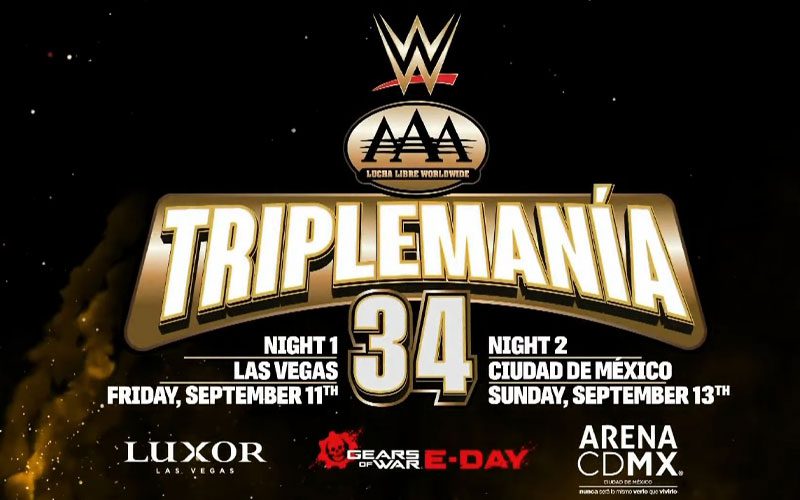
AAA takes a gamble on the Las Vegas market
1 month, 2 weeks ago
AAA going to Vegas is the boldest gambit of 2026
1 month, 2 weeks agoAAA takes a massive gamble with Noche de los Grandes
1 month, 2 weeks ago