The 36-month myth of the legendary tag team
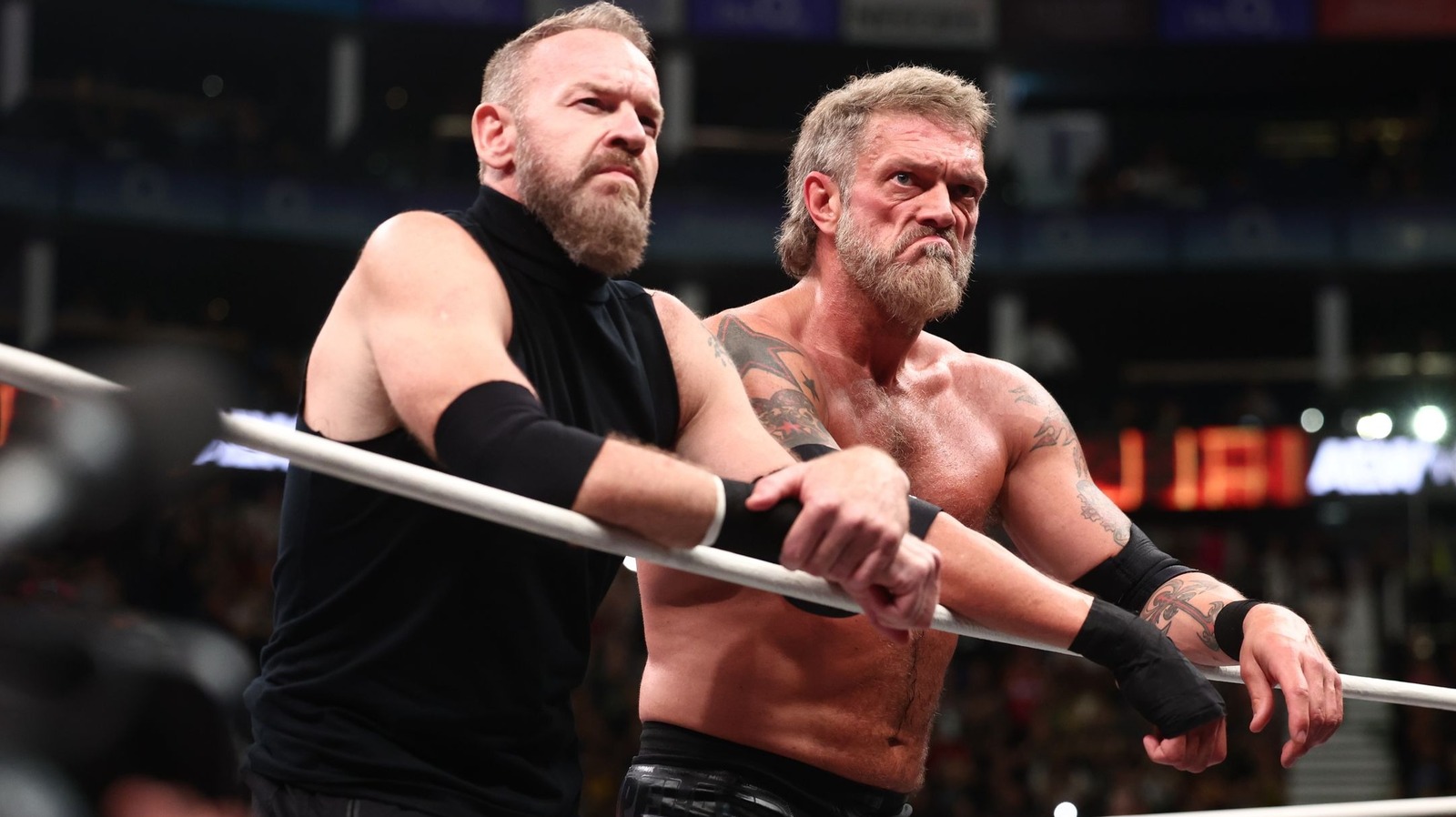
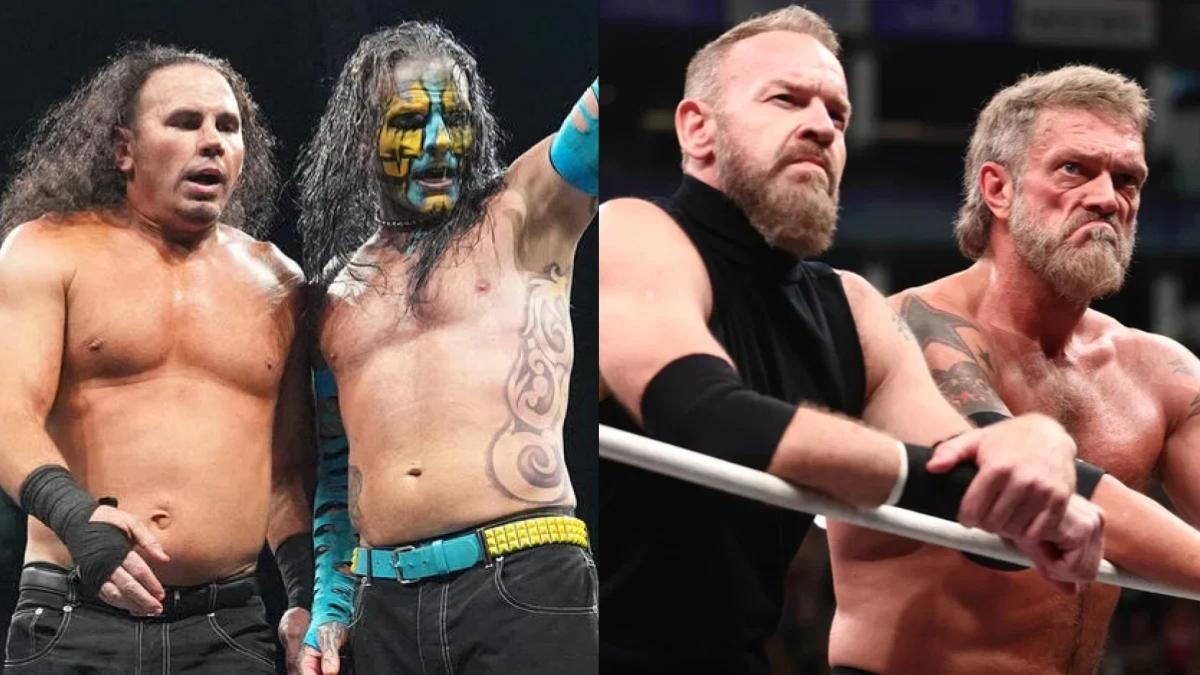
When Adam Copeland and Christian Cage finally team up on AEW television for the first time ever, the broadcast will inevitably lean heavily on their legacy. They are the benchmark. But nostalgia plays tricks on our memory, especially when it comes to the actual lifespan of professional wrestling's greatest duos.
The original, iconic run of Edge and Christian as a tag team in the World Wrestling Federation lasted roughly 36 months. From their full-time formation in 1998 to Christian hitting his partner with a steel chair in the fall of 2001, their entire legendary stint was remarkably brief. In that tight three-year window, they captured the WWF Tag Team Championship seven times. That is a title change every five months. It was a chaotic, high-density sprint that defined an era, but it was not built for longevity.
Contrast that with the modern tag team environment. Let's look at The Acclaimed. Anthony Bowens recently revealed that the initial chemistry and team-building segments with Max Caster were entirely improvised. That impromptu connection in 2020 sparked a partnership that has now survived for six years. They have effectively doubled the lifespan of the original Edge and Christian run.
"All that stuff was off the cuff."
That is what Bowens said about those early AEW segments. The fact that an improvised dynamic sustained them for 72 months is impressive, but the title density tells a completely different story. In those six years, The Acclaimed hold just one AEW World Tag Team Championship reign and one World Trios Championship reign. The modern booking philosophy stretches narratives out, but it also starves ambitious wrestlers of the frequent hardware that defined the late 1990s.
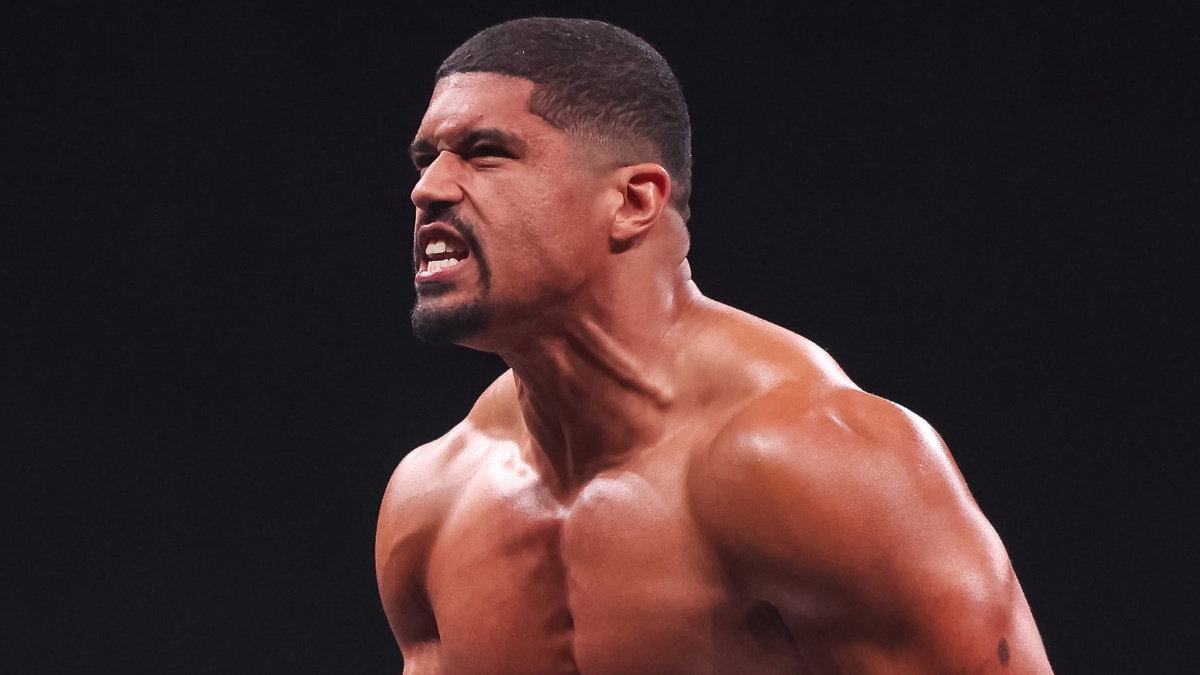
Now, Bowens has publicly stated he has "unfinished business" as a singles star, actively aligning himself with The Opps at Collision: Playoff Palooza. Looking at the numbers, his decision isn't just a storyline pivot. It is the only mathematically sound choice for a wrestler entering his prime.
The financial gravity of a singles run
Tag team wrestling is structurally designed to be a stepping stone. That sounds harsh, but the historical data backs it up. Every major tag team that isn't bound by actual blood—and often even the ones that are—eventually faces the singles gravity well. The financial ceiling for a main event singles star is exponentially higher than that of a tag team specialist.
Bowens has spent six years splitting the spotlight. A 72-month tag run risks permanent midcard categorization. If you look at the industry's breakout singles stars who originated in tag teams, the split almost always happens before the five-year mark. Shawn Michaels threw Marty Jannetty through the Barbershop window roughly four years after The Rockers debuted in the WWF. Bret Hart's singles push began around six years into the Hart Foundation's WWF run. Bowens is right at the statistical threshold where he must pivot or risk being entirely defined by his partnership with Caster.
The fact that their early dynamic was improvised is fascinating, but improvisation only carries an act so far. Eventually, the law of diminishing returns hits the merchandise numbers and the crowd reactions. The Acclaimed's scissor catchphrase was a merchandising juggernaut in 2022, but catchphrases have a standard depreciation curve. By year four, the t-shirt sales naturally cool off unless there is a massive character shift. Joining The Opps provides Bowens with a necessary structural reset.
Why promoters rely on the tag team safety net
There is another reason wrestlers get trapped in the tag team division. It is incredibly useful for promoters. A tag team match mathematically reduces a worker's in-ring exposure by half. This hides green workers, protects aging veterans, and mitigates the risk of a high-profile singles disaster.
You can see this exact risk management strategy in a recent revelation from Paul Wight. Speaking about his massive WrestleMania 24 attraction match against Floyd Mayweather in 2008, Wight confirmed that the original plan was actually a tag team match. WWE had the biggest boxer on the planet, a legitimate pay-per-view draw, and their first instinct was to hide him in a tag team structure. They eventually pivoted to a singles match—which proved to be the right call for the spectacle—but the initial booking instinct was to use the tag format as a safety net.
Wight and Mayweather went on to draw over a million pay-per-view buys. If that had been a tag match, the financial gross would have been the same, but the legacy of the match would be drastically diluted. Singles matches carry the risk, but they also hoard the historical credit.
This brings us back to Adam Copeland and Christian Cage. Their 2026 AEW television reunion is a booking luxury and a victory lap. Neither man needs the tag team safety net to protect their draw or their legacy. They have combined for over a dozen world championships as singles competitors. Their reunion works precisely because they spent the last two decades proving they didn't need each other.
The brutal calculus of the midcard logjam
For Bowens, the calculus is much more urgent. AEW's roster size has created a massive bottleneck in the upper midcard. When you analyze the active roster, the number of contracted talent exceeds the available television minutes by a staggering margin. On a standard two-hour episode of Dynamite, you have roughly 85 minutes of actual broadcast time after commercials. If an average match and its entrances take 15 minutes, you can fit a maximum of five or six major segments on the show.
As a tag team, The Acclaimed has to justify occupying one of those precious segments against The Young Bucks, FTR, The Lucha Bros, and whatever faction is currently dominating the trios picture. By pivoting to a singles run and aligning with The Opps, Bowens opens up a completely different set of mathematical probabilities. He can challenge for the TNT Championship, the International Championship, or the Continental Crown. He effectively triples his potential pathways to television time.
AEW’s booking of the tag team division has arguably stagnated over the last 18 months. The frequent, repetitive tournament formats and the sheer bloat of the Trios titles have diluted the prestige of being a tag team specialist. The Acclaimed suffered from this directly. After losing the tag titles, they were shuffled into a Trios run that felt more like a containment strategy than a promotion. It is a booking failure that forces talent like Bowens to realize they cannot rely on the division to elevate them. With AEW Double or Nothing 2026 fast approaching on May 24, Bowens has a tight window of just 25 days to establish his new trajectory.
AEW currently features well over 100 active male wrestlers. Historically, wrestlers who transition from long-term tag teams to singles competition have a success rate of less than 20 percent when it comes to capturing a world championship. For every Edge, there are dozens of tag specialists who never crack the main event scene. The failure rate is massive, but the alternative is permanent midcard stagnation.
The exception, not the rule
Tag teams in 2026 are asked to survive much longer than their Attitude Era predecessors, but they are given far fewer title reigns to sustain their momentum. The short, violent sprint of Edge and Christian is a historical anomaly that can never be replicated in today's television environment.
When Copeland and Cage stand in the corner together on AEW TV, they aren't representing the future of the division. They are ghosts from an era where tag team wrestling catapulted them into permanent main event status. They survived the split and thrived.
Anthony Bowens is looking at that exact same historical blueprint. Six years of improvised chemistry and tag team success have built him a solid foundation. But the numbers don't lie. If you want the main event money and the singles legacy, you eventually have to step out on your own. WrestleMania 24 wasn't memorable because Paul Wight shared the ring with a tag partner; it was memorable because it was a one-on-one spectacle. Bowens is tired of sharing the risk. It is time for him to start hoarding the credit.