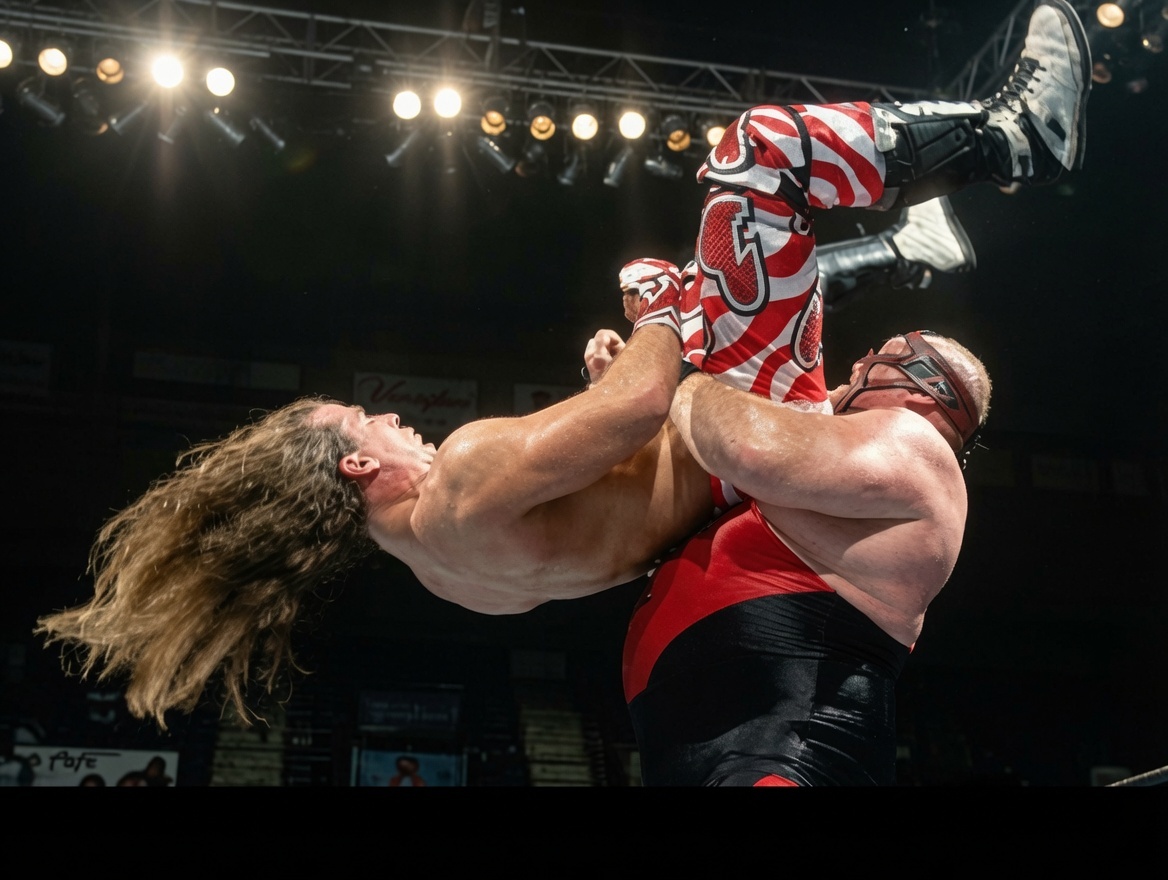
The Richmond taping sparks a heated debate
The wrestling internet is exactly how you expect it to be this morning. After the latest AEW and ROH tapings in Richmond, Virginia, we have a classic divide. Some folks are treating every match like a technical masterclass, while others are convinced the booking feels like a rerunning tape. It is the typical June 2026 wrestling discourse, where nobody is happy and everyone has a podcast.
The enthusiasts are naturally buzzing over the in-ring work. They point to the athletic output on display during the dark matches and the ROH sessions as proof that the quality of wrestling is at an all-time high. To these people, if you are not enjoying a high-velocity sequence followed by a crisp pin attempt, you clearly do not understand the art of the sport. They see these tapings as a laboratory for the next generation of talent to sharpen their tools.
Then you have the skeptics who are completely over the format. These fans look at the PWInsider reports from the Richmond tapings and see a lack of narrative stakes. One prominent viewpoint on the forums argues that piling up matches without meaningful feuds attached feels like cardio for the athletes rather than a television product. It is the classic “why should I care about this mid-card clash” argument that has followed ROH since its integration into the broader broadcast strategy.
Where the fans are losing their minds
The biggest point of contention involves the pacing. You have one camp arguing that the sheer volume of matches captured for future airings is a benefit for those who just want to watch moves. Contrast that with the contrarians who claim that by the time these segments hit the airwaves, they feel dated and disconnected from the current major storylines. It is a fundamental disagreement about whether wrestling is about the performance or the story.
I lean toward the skeptics here, and here is why. You can perform a picture-perfect hurricanrana until your knees give out, but without a reason for me to care who wins, it is just fancy gymnastics. The Richmond crowd was certainly lively, but the transition from a live atmosphere to a post-produced show often sucks the soul out of the room. When you tape too far ahead, you lose the ability to react to the crowd’s genuine energy.
Even the most die-hard ROH loyalists have to admit that the show needs more flavor. We have seen some questionable decision-making in how talent is utilized across these crossover events lately. When you have a roster this deep, leaving guys hanging in limbo during a taped dark match feels like a waste of airtime. They need to figure out how to make these matches matter, or they are just burning through assets while the audience checks their phones.
An objective look at the madness
Let's look at the numbers. The sheer quantity of content produced in a single night in Richmond is impressive, yet the actual viewership impact remains questionable. If you aren't building toward a pay-per-view, what is the endgame? We are seeing too many matches with no resolution, and eventually, the audience gets fatigued by the lack of finality in the ring.
There is also the matter of booking consistency. One night you see a main event talent putting on a clinic, and the next, they are entirely absent, substituted by a talent who hasn't appeared on main programming since the 4th of May. It creates a disjointed experience that makes it hard to recommend the product to a casual observer. If you want to keep the audience invested, you cannot just throw darts at a board and hope for a classic.
Finally, we have to talk about the physical toll. These guys are putting their bodies on the line in front of half-empty arenas during dark segments just to fill a database. It is a grind. If you are not careful, this kind of workload leads to injuries that could wreck a push before it even starts. The front office needs to keep a 100 percent focus on the health of the roster rather than just filling up the weekly broadcast hours.
Ultimately, the Richmond tapings highlight exactly where the company is stuck. They have the best workers in the game, but the structure around them feels like it is drifting. If they can tighten up the storytelling zero point focus on actual, tangible consequences for winning matches, they would be much closer to a consistent hit. Until then, we are stuck with great wrestling matches that feel like they are happening in a vacuum.