The TNT title scene is becoming a chaotic fever dream
If you watched the July 22 episode of Dynamite, you were treated to a collision course between Knight and Darby Allin for the TNT Title. It was the kind of match that makes you wince if you remember what Darby’s back looks like on an average Tuesday. The intensity was undeniable, but it highlights a recurring issue in current booking: we are burning through high-stakes matches faster than a pyrotechnic budget in the middle of a recession.
Darby Allin remains the single most effective gravity-defying pinball in professional wrestling. Putting him in the ring with Knight is guaranteed to produce highlights, but where is the long-term narrative hook? We are getting the spots, the near-falls, and the visceral chemistry, yet the title belt itself feels like an afterthought. It is less a championship and more a prop for Darby to facilitate spectacular stunts.
The trios main event was a car crash of legendary proportions
Booking Omega, Ospreay, and Moxley on the same side is the equivalent of putting prime MJ, Kobe, and LeBron on one pickup basketball team. Seeing that trio work against Hechicero, Jake Doyle, and Brian Cage was a spectacle that defied logic. The sheer star power packed into that ring reminded everyone why this company remains the premier destination for in-ring technicians.
However, let's address the elephant in the arena. Brian Cage and Hechicero are fantastic, yet they felt like window dressing for the inevitable post-match chaos. Watching Moxley and Ospreay share screen time is technically a dream, but the dilution of these encounters is real. When every episode treats a top-tier roster battle like a pay-per-view main event, nobody feels special anymore.
Thekla and Willow need more oxygen to breathe
The segment between Thekla and Willow Nightingale was a much-needed injection of character development. These two have a fire that is criminally underserved by the show's pacing. While the men were busy turning the main event into a chaotic brawl, the women’s division provided one of the few moments that actually felt like it was building a rivalry rather than just a wrestling sequence.
Willow has an infectious presence, and Thekla brings a distinct, aggressive edge that creates a perfect foil. They deserve a dedicated 15-minute slot on a future card. Instead, we got a face-to-face that felt rushed, as if the producers were worried our attention spans would snap if we went longer than four minutes without someone getting powerbombed through a table.
Jay White vs. Connors and the pacing problem
Jay White’s efficiency in the ring is a masterclass in minimalism, and his scrap with Connors was a sharp contrast to the high-flying madness elsewhere on the card. He doesn't waste motion. If you want to understand how to tell a story in 12 minutes without over-exerting yourself, watch how White constructs his offense.
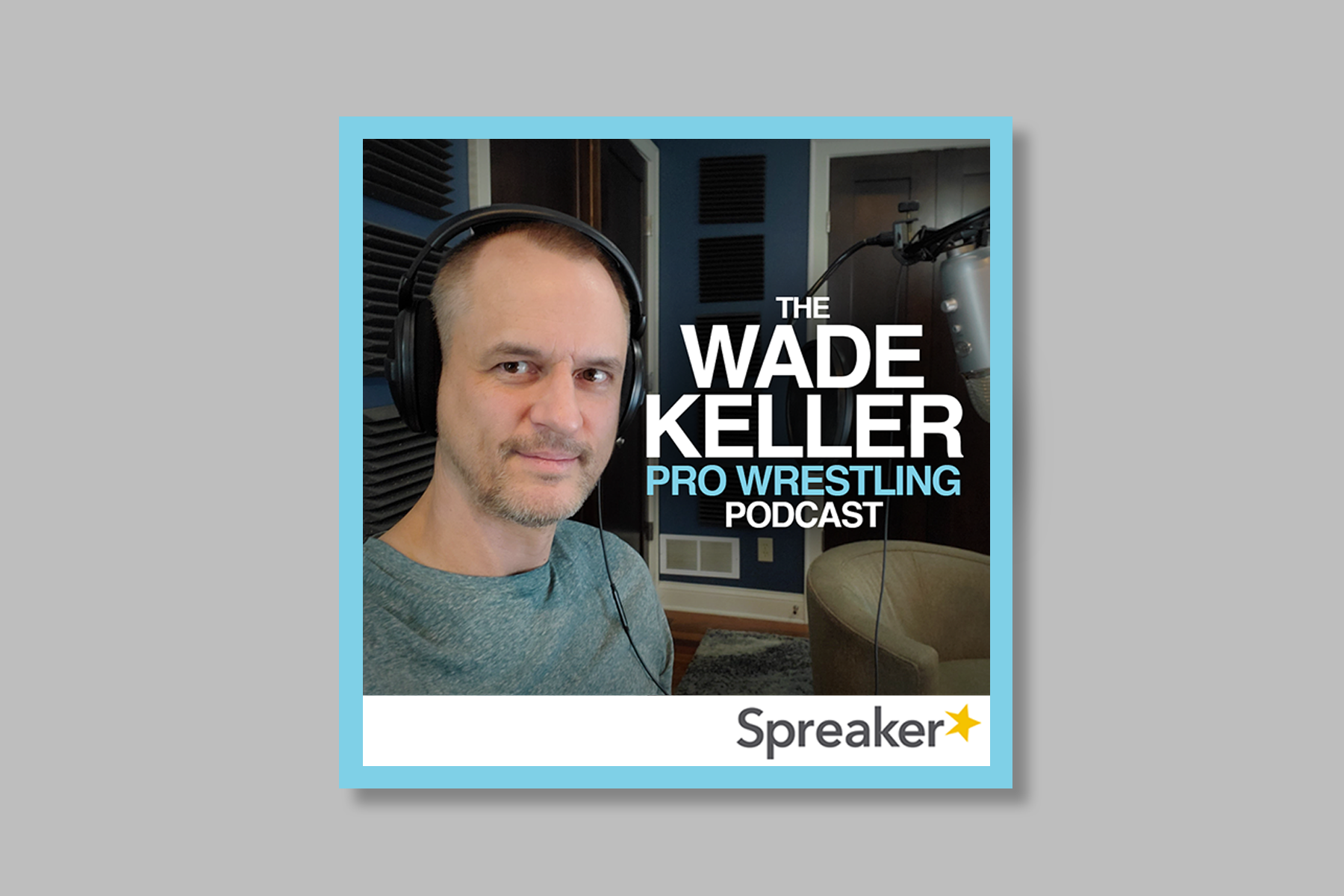
Despite this, the constant scramble for status feels exhausting. As Wade Keller noted in his recent reporting, the constant churn of the roster makes it hard to identify the true center of the promotion. We are hitting a point where the talent quality is peaking but the booking rhythm is stuck in a loop of constant escalation. When you go 100 miles per hour every Wednesday, the eventual crash into a mid-card feud feels jarringly stagnant.
We are watching the premier wrestling show in the world essentially run a marathon at the pace of a 100-meter sprint. Matches like Knight against Darby are great, but they are symptoms of a booking style that favors instant gratification over the slow burn. Wrestling functions best when you leave the audience slightly hungry, not buried under a mountain of heavy-hitters.
If the promotion wants to recapture the magic of its early years, it needs to stop treating every Dynamite as a potential season finale. Slow down. Let the feuds breathe. Give the mid-card talent room to actually develop characters outside of these high-octane tag team bouts. We all love the action, but even the best steak becomes repulsive if you’re force-fed a ten-pound slab every week.
Ultimately, the July 22 show proved one thing: the talent is not the problem. The roster is deeper than it has ever been, and the mechanics of the matches are elite. But unless the booking finds a way to balance the frantic energy with real emotional weight, we are just watching great wrestlers move from one spot to the next. The thrill of the spectacle matters, but the narrative is what keeps us coming back for more than just the inevitable highlight reels.