AEW needs more than just better cards for Saturday nights
The Collision identity crisis
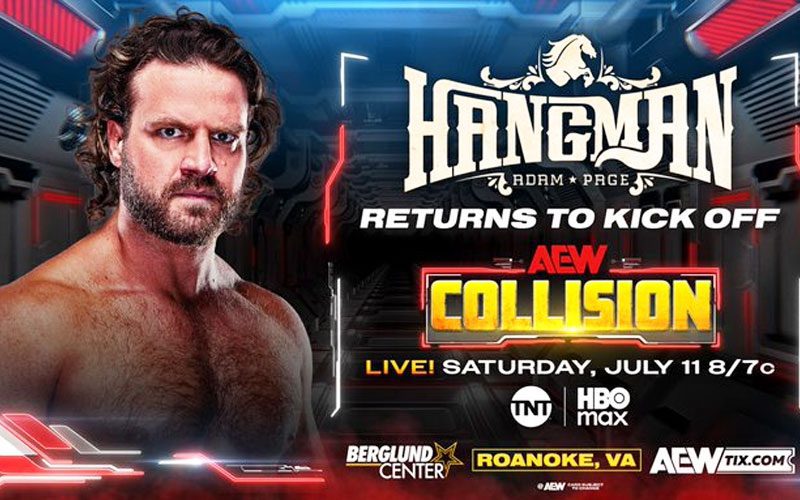
AEW Collision launched with a clear remit: be the work-rate alternative. It was supposed to be the Saturday night home for the wrestlers who prioritized the craft of the match over the theater of the soap opera. Yet, as the calendar turns to July 11, 2026, the show feels increasingly like a B-side compilation. The card for tonight lacks the tactical urgency that defined its inaugural run.
When a television program loses its distinct personality, the audience inevitably drifts. We see this in the mid-card logjam that currently defines the show. While the wrestling remains technically proficient, the narrative thread is thin. Collision is effectively functioning as a supplemental show rather than a destination product. It functions to shuffle talent across the roster without providing the necessary creative heat to justify a two-hour commitment.
The developmental gold standard
Contrast this drift with the precision currently appearing on NXT. The way the Performance Center manages talent like Fallon Henley reveals a stark difference in long-term execution. Henley arrived in Orlando without the heavy burden of top-tier expectations, yet she has systematically ironed out her move set into something reliably explosive. Her development isn't just about repetition; it is about building a sequence that peaks at the right time.
Henley understands the pace of television wrestling better than many veterans on the roster. She utilizes the entirety of the ring, controlling the horizontal spacing during her transitions. By contrast, the current Collision booking often feels segmented. Matches occur because the roster exists, not because specific technical evolutions demand a collision of styles. There is a lack of tactical buildup.
The necessity of a defined tactical identity
For Collision to avoid fading as the summer heat intensifies, it must reclaim its purpose. The show needs to stop operating as a clearinghouse. It needs to establish a specific set of rules and a tone that separates it from other programming. If the goal is high-level wrestling, then the structure must support that through coherent, long-form storytelling.
Management must realize that a stacked card is meaningless if the viewer cannot distinguish the show's intent from that of Dynamite or other secondary broadcasts. The lack of distinctness allows for complacency in build-ups. When the mid-card is allowed to drift into a purgatory of non-consequential bouts, interest inevitably wanes.
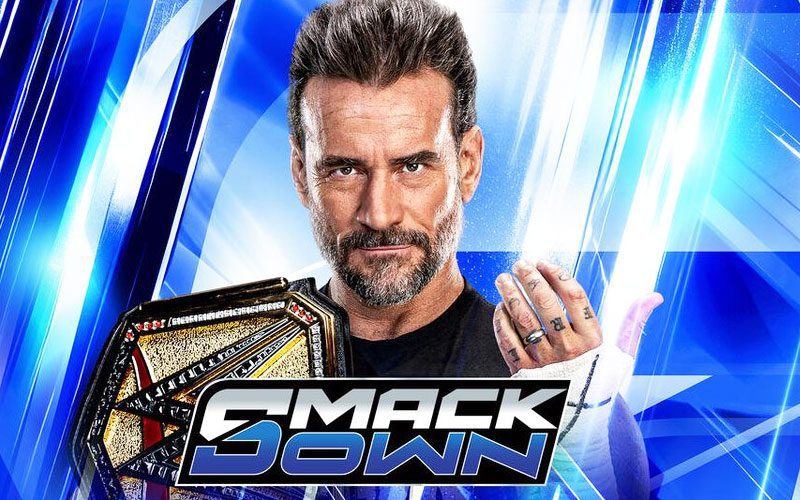
As recent reports on SmackDown suggest, maintaining a show that feels urgent requires constant attention to match placement and stakes. WWE has mastered the art of making televised segments feel like essential components of a larger struggle. AEW has the talent to replicate this effectiveness, but it requires a pivot away from the current shuffle-led booking approach.
There is a real danger in assuming that superior in-ring work is enough to carry a brand. Wrestling is historically a game of escalation. If the matches do not lead to meaningful movement on the roster, the fan base feels the inefficiency. Collision is currently stuck in a cycle of repetition that needs to be broken by clear, narrative-driven booking decisions.
The talent is there, but the application is disjointed. Whether it is through a distinct shift in match style or a greater emphasis on specific, outcome-driven feuds, AEW needs to find its identity again. The alternative is a continued slide into mediocrity during a period when the sport should be thriving.
Frequently Asked Questions
What was the original identity of AEW Collision when it launched?
Why is AEW Collision currently struggling to retain its audience?
How does the development of Fallon Henley in NXT compare to AEW booking?
What changes does AEW Collision need to make to regain its purpose?
How does WWE maintain urgency on its weekly television programs?
More Coverage
AEW Collision needs to find its identity before the summer cools down
an hour ago
Fallon Henley and the specific craft of NXT’s developmental machine
2 hours ago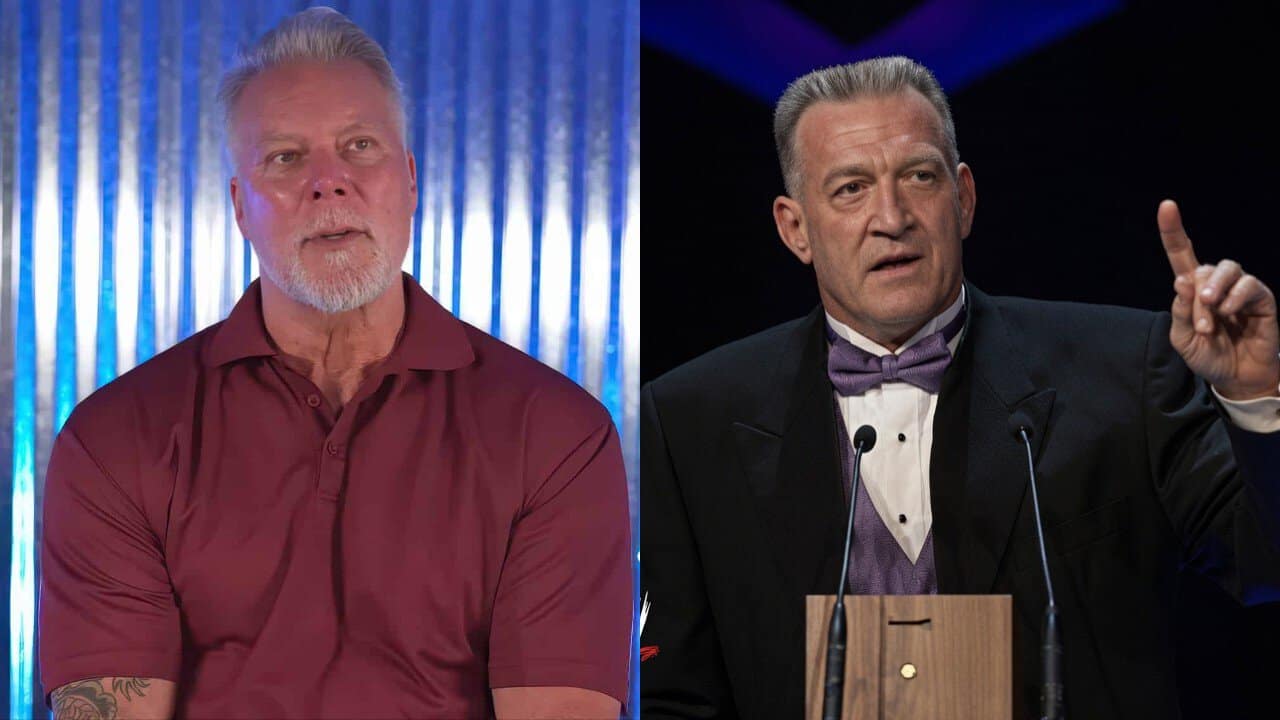
Kevin Nash’s Orndorff lesson remains the blueprint for modern stars
2 hours agoSmackDown's reliance on rematch cycles is stalling momentum
6 hours ago
Vikingo out six months after surgery as Bliss arm snap shocks SmackDown
7 hours ago
AEW Collision's opening ratings problem
7 hours agoMore Analysis
AEW Collision needs to find its identity before the summer cools down
an hour agoSting vs. Ric Flair at AEW Dynamite: Why we need to stop living in the past
an hour agoKevin Nash’s Orndorff story is the brutal reality check wrestling needs
an hour ago
Fallon Henley and the specific craft of NXT’s developmental machine
2 hours ago
Jade Cargill is playing a dangerous game with the Raw roster
2 hours ago