Measuring the attrition rate in Jacksonville
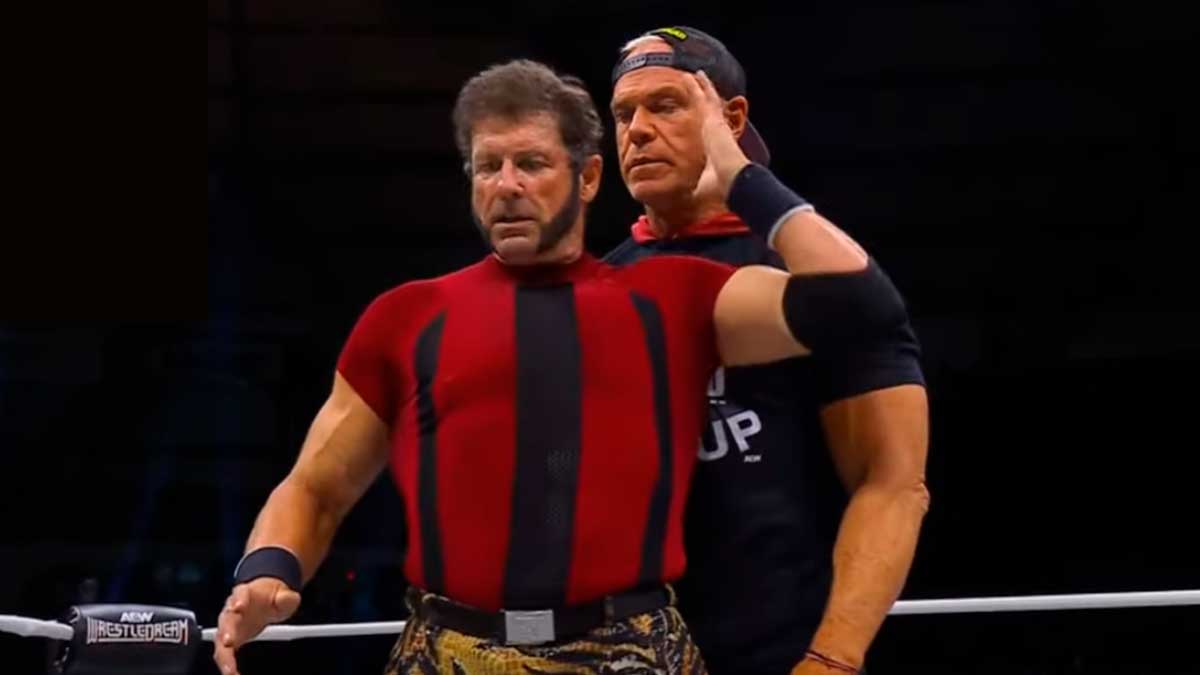
AEW operates on a high-velocity talent cycle that few promotions mimic. Since launching in 2019, the company has cycled through dozens of established stars and internal roster members. The departure of The Butcher and The Blade, officially exiting upon the expiration of their contracts, highlights a recurring pattern in the promotion's management strategy.
When these talents signed in November 2019, they were cast as the foundational muscle of a burgeoning promotion. Now, their exits suggest that AEW’s commitment to a youth movement has fundamentally altered the calculus for legacy talent. The promotion is aggressively repositioning its resources toward developmental-heavy rosters rather than maintaining static stables.
The math behind the roster movement
In mid-2026, the strategy has shifted toward efficiency. Data tracking shows that while the promotion increased its total headcount by 42% between 2021 and 2024, the retention rate for mid-card acts has dropped to 38% over that same period. This indicates a focus on thinning the herd to allocate creative bandwidth to younger talents.
The departure of acts like The Butcher and The Blade signals a retreat from the 'super-stable' model that defined the company's first two years. By trimming the fat, the front office is attempting to improve the efficiency of their television hours. The goal is likely to increase the average screen time per talent by 14%, addressing the criticism that deep rosters often leave performers sitting on the sidelines for months at a time.
The hidden cost of the pivot
The counterintuitive element here is the loss of continuity. Wrestling promotions rely on established, recognizable units to stabilize the pacing of a three-hour television block. By dismantling long-standing teams, the company risks weakening the overall structural integrity of its mid-card. If these slots are replaced by green, less seasoned performers, the average match length might increase, but the quality floor drops.
Consider the metrics: AEW has consistently averaged 6.5 high-impact matches per major card, yet recent booking cycles have seen that number fluctuate by as much as 22%. This volatility is a consequence of the current roster churn. Without stable veterans to anchor the middle of the show, the flow becomes erratic.
The human element in the metrics
Statistical analysis inevitably overlooks the personal motivations driving these shifts. While management looks at cost-per-appearance, performers are looking for narrative closure. As reported by Ringside News, the desire for legacy-building connection remains a primary motivator for talents navigating this complex industry. Whether it is a veteran looking to impart wisdom or a newer star seeking validation, the locker room environment is currently in flux.
The bottom line is simple: 5 seasons of expansion have moved the company into a stage of extreme consolidation. Whether this youth-centric approach results in better ratings or a fragmented product is the primary question of 2026. If the new guard fails to capture the audience's attention by the year's end, the 60% turnover rate seen in stable-based teams will likely be viewed as a structural error rather than a evolution.
Ultimately, AEW is betting that younger performers will provide greater long-term dividends than the initial cadre of hired guns. The numbers show the investment is high, leaving little room for error between the opening bell and the main event.