The End of the Old Model
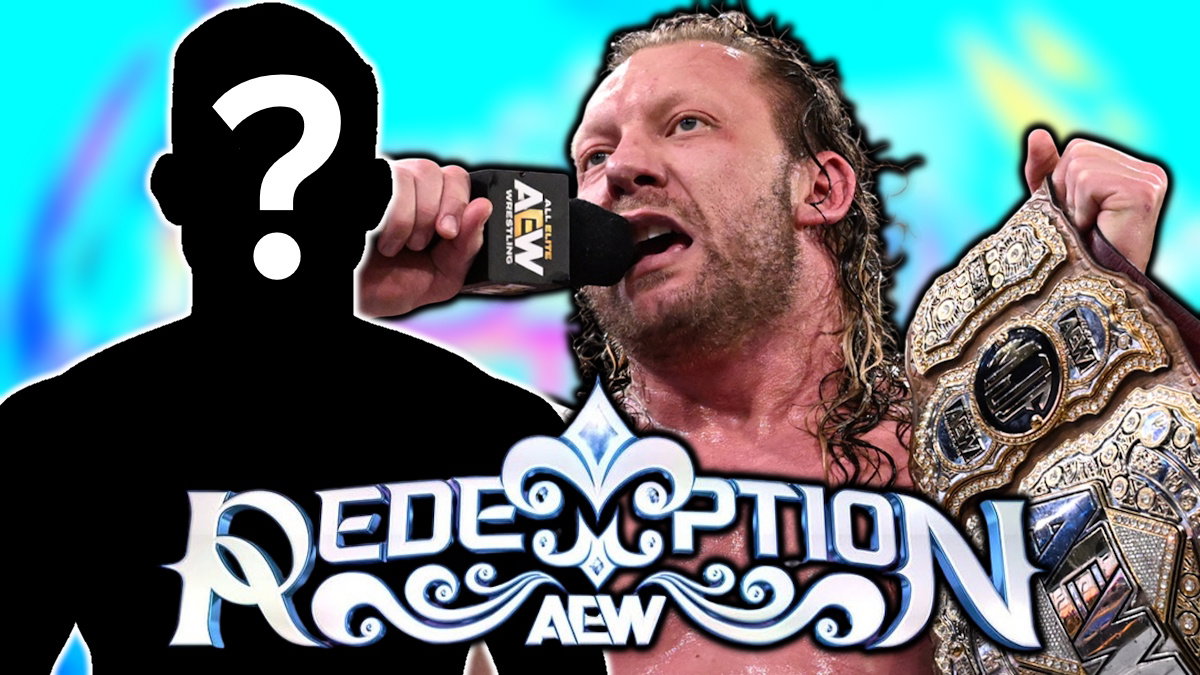
All Elite Wrestling is reportedly adding another pay-per-view to its already crowded 2026 schedule. According to reports from sources like F4WOnline, a new event titled “Redemption” is slated for July, pushing the company's annual total of major weekend shows to ten, not including international specials. This move is more than just an extra date on the calendar; it is the final confirmation of a complete strategic reversal, a move away from the quarterly, must-see events that defined AEW's initial identity. The core statistic framing this shift is the sheer velocity of the expansion: from just four pay-per-views in 2021 to a projected ten or more by 2026. This isn't just growth; it's a fundamental change in the entire business model.
The Escalation by the Numbers
The data shows a clear, deliberate escalation in event frequency. For its first few years, AEW's rhythm was predictable and effective, built around what fans called the "Big Four": Revolution (spring), Double or Nothing (late spring), All Out (late summer), and Full Gear (fall). In 2020 and 2021, the company held firm at four PPVs per year, creating a sense of scarcity and importance for each one.
The change began subtly. In 2022, the count ticked up to five with the addition of the critically acclaimed cross-promotional show, *Forbidden Door*. But 2023 was the watershed moment. The number of PPVs exploded to eight, with the landmark *All In* from Wembley Stadium, plus *WrestleDream* and *Worlds End* bloating the winter schedule. The year 2024 saw the addition of *Dynasty*, bringing the total to nine. Now, with “Redemption,” the schedule hits double digits. In just five years, AEW will have more than doubled its core high-priced event output.
The $50 Question: Revenue vs. Fan Fatigue
The financial logic is undeniable. With PPVs priced at roughly $50 a pop, each event is a multi-million dollar proposition. Even a modest buyrate of 100,000 generates $5 million in gross revenue. Increasing the number of shows from four to ten, assuming stable buyrates, represents a potential revenue increase of over $30 million annually. It’s a straightforward play to maximize income from a loyal and engaged fanbase. But it's a strategy fraught with risk.
The original appeal of AEW's PPV model was its contrast to WWE's relentless monthly grind. The four-per-year schedule made each show feel like a can't-miss spectacle, giving major storylines months to breathe and build. A schedule of 9-10 major shows a year fundamentally alters that pact. It asks fans to shell out nearly $500 annually to keep up with major plot points, a significant increase that tests the boundary between loyalty and exhaustion. The primary critical concern is the dilution of the product. When everything is a supercard, is anything truly super?
Crowding the Summer Calendar
The placement of “Redemption” in July highlights the new logistical and creative challenge. It will be sandwiched directly between two of the company's biggest existing events: *Double or Nothing* in May and the stadium-sized *All In* in late August. This creates a grueling three-month stretch that will test the company's ability to build and sustain multiple top-tier programs without them blurring into one another. We already have the first match for Double or Nothing, an International Championship bout between Kazuchika Okada and Konosuke Takeshita, as covered by Wrestling Inc. How do you build that, then immediately pivot to a hot program for July, and then pivot again for the company's single biggest show of the year in August?
This compressed schedule puts immense pressure on the creative team and the roster. The risk of injuries increases, and the time for long-term, nuanced storytelling shrinks. The original AEW model allowed feuds to span seasons; the new model demands a constant churn of pay-per-view-worthy matchups, month after month.
A Bet on Volume Over Scarcity
The conclusion is inescapable: AEW is no longer the lean alternative. It has fully embraced a volume-based media strategy, mirroring the company it once defined itself against. The bet is that the revenue gained from the additional shows will outweigh any potential decline in individual buyrates or long-term brand erosion. It's a gamble that the roster is deep enough, the creative is sharp enough, and the audience is dedicated enough to sustain a near-monthly PPV cadence.
The addition of “Redemption” is the tipping point. It solidifies that the company's foundational less-is-more philosophy is officially a thing of the past. Whether this new, high-volume era leads to greater financial prosperity or a creatively diluted product is the central question that will define AEW's next chapter. The numbers are bigger, but the risks have grown in lockstep.