The physical toll of an aggressive television strategy
Professional wrestling does not exist in a vacuum, especially when television schedules demand high-frequency output. As backstage reports indicate, the decision to pack AEW Dynamite episodes with an abundance of matches is a calculated response to external competition, prominently the World Cup coverage. This high-octane booking strategy is a direct contributor to the physical taxation of the roster.
Injury management remains the most silent, yet defining, variable in contemporary wrestling. While the promotion is currently navigating the build toward the Forbidden Door pay-per-view, the volume of matches scheduled for the June 24 broadcast is significantly higher than a standard week. Rapid-fire booking increases the risk of acute injury, fatigue-related slips, and cumulative impact damage that often goes unreported until a talent is pulled from television entirely.
The correlation between match density and roster attrition
History shows that when promotions force-feed large match cards to combat seasonal viewership dips, roster depth is tested. We are seeing a distinct trend where talent who are featured in multi-man segments or high-velocity bouts are seeing their active windows shortened. This pattern mirrors the mid-2000s era of industry-wide roster turnover, where exhaustion led to higher injury rates during high-stakes booking periods.
As of June 24, AEW has not released a comprehensive public injury list, which is standard procedure for the company. However, the reliance on high-frequency, physical matchups—often featuring high-flying maneuvers to maintain energy—exacerbates existing wear and tear. When the promotion faces soft ticket sales, as seen in the recent Rio Rancho tracking data, there is an inherent pressure to accelerate momentum through talent performance. This creates a cycle where the stars must push harder to carry the broadcast, leading to fewer recovery days.
Strategic risks in the Forbidden Door cycle
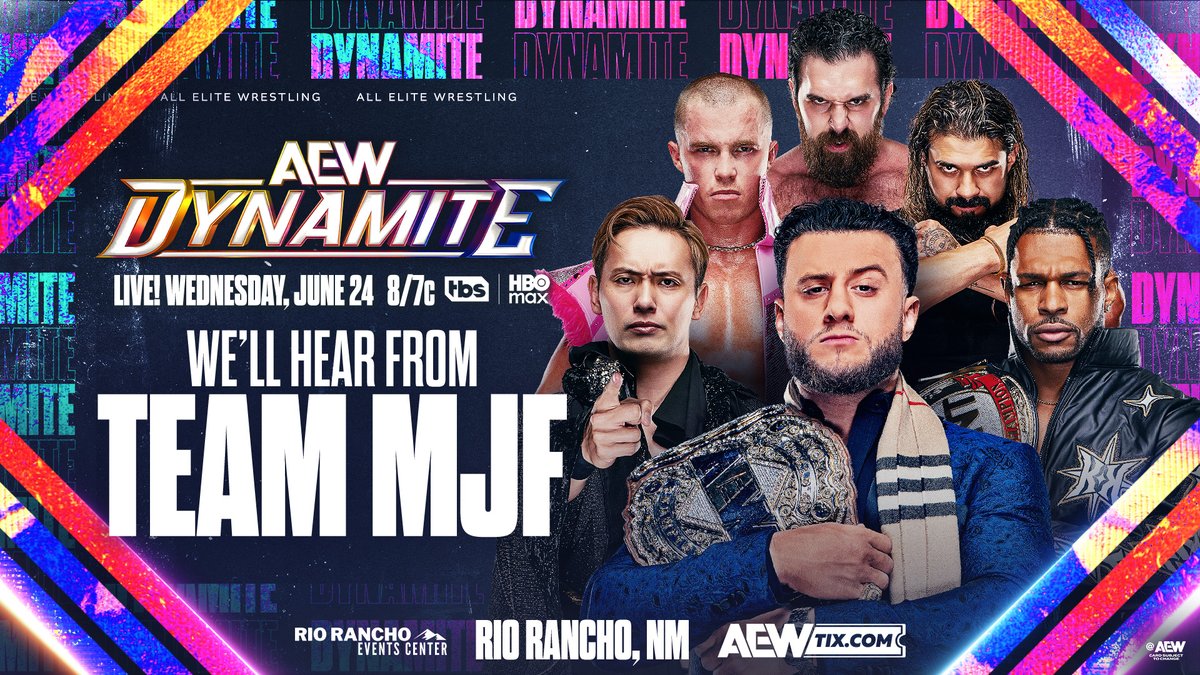
The upcoming Forbidden Door event necessitates a high-pressure environment for talent. With storylines involving marquee names like MJF and Mark Briscoe needing to be solidified on live broadcasts, any minor ailment is often pushed aside by athletes looking to secure their spot on a major card. The risk here is not just the immediate injury, but the prolonged absence of key contributors.
Strategic oversight must account for the reality that no roster is invincible. Relying on sheer match volume to combat fluctuating ratings figures—which reached an average of 665,000 viewers last week—is a short-term tactical move that threatens long-term wellness. Overworking the personnel to stay ahead of the World Cup leaves critical gaps in the undercard and mid-card depth.
The missed opportunity in preventative wellness
The current scheduling approach shows a disregard for the reality of athletic recovery. By overloading the broadcast card to chase weekly demographic spikes, the creative team at AEW often creates forced conflicts that necessitate more high-intensity in-ring work than is sustainable. While fans appreciate the density, there is a clear negative consequence: talent preservation is being sacrificed for quick-fix metrics.
Industry benchmarks suggest a minimum of 48 hours of recovery between high-intensity television segments for injury prevention. When the current schedule demands back-to-back performance weeks with travel, that window closes. Unless the production team pivots to lower-impact storytelling or broader roster utilization, further headline-grabbing absences are inevitable. The current trajectory relies on the hope of health rather than the management of it.
Read Next
- Stardom's Forbidden Door participation is a massive strategic gamble
- AEW and TNA are on collision courses with different destinations
- AEW Dynamite faces a critical hurdle before Forbidden Door
- AEW needs more than a theme night to fix their mid-year slump
- 🚪 AEW Forbidden Door 2026 — AEW × NJPW Coverage Hub