The mounting attrition rate reaching critical mass
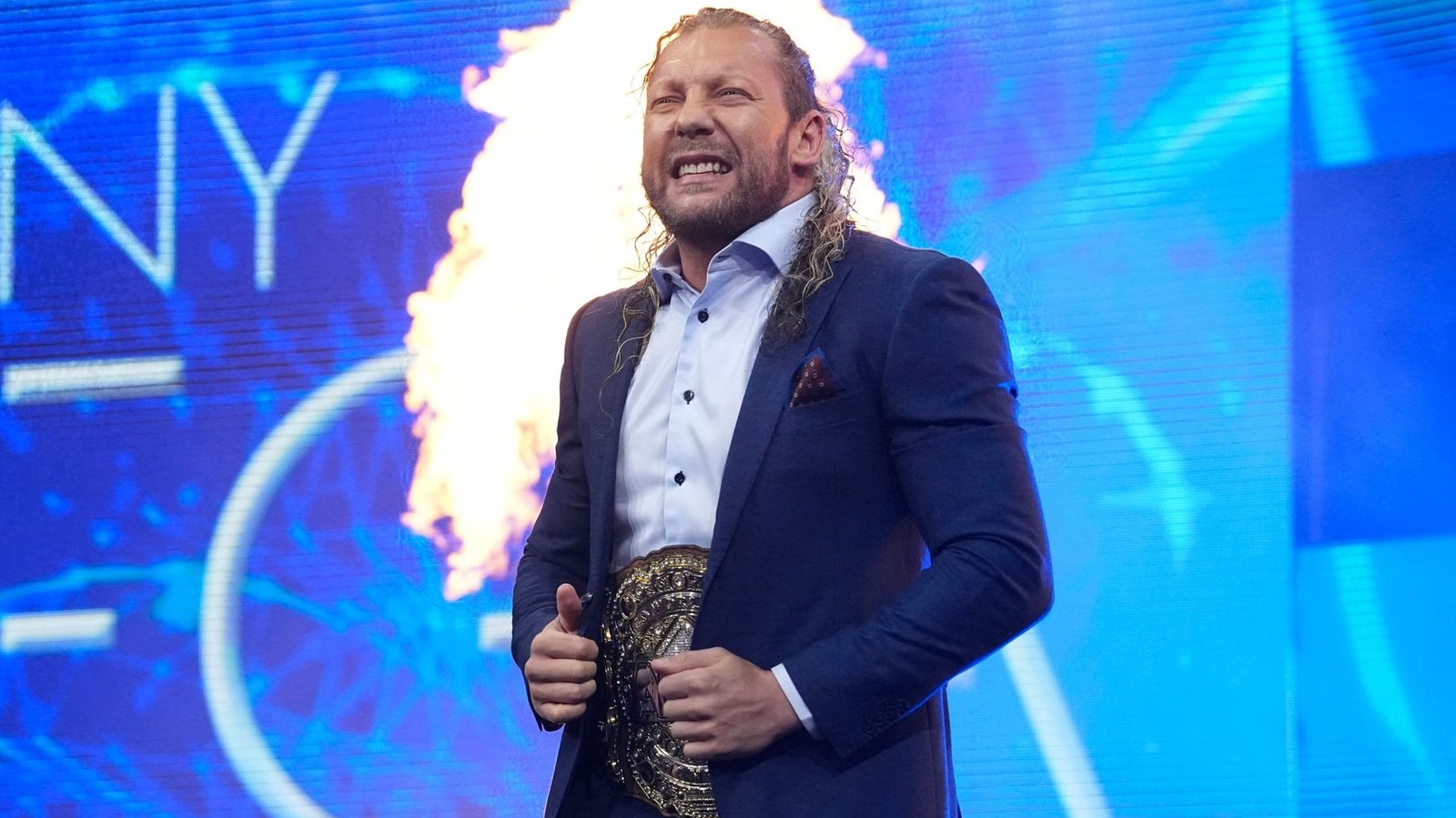
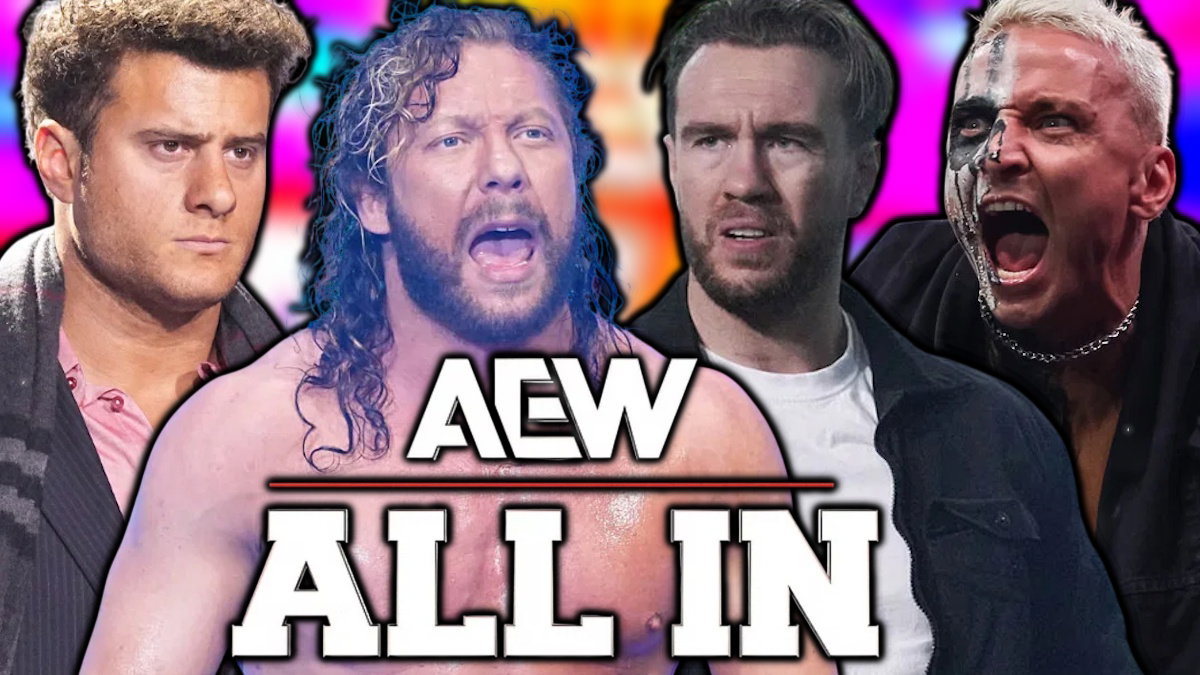
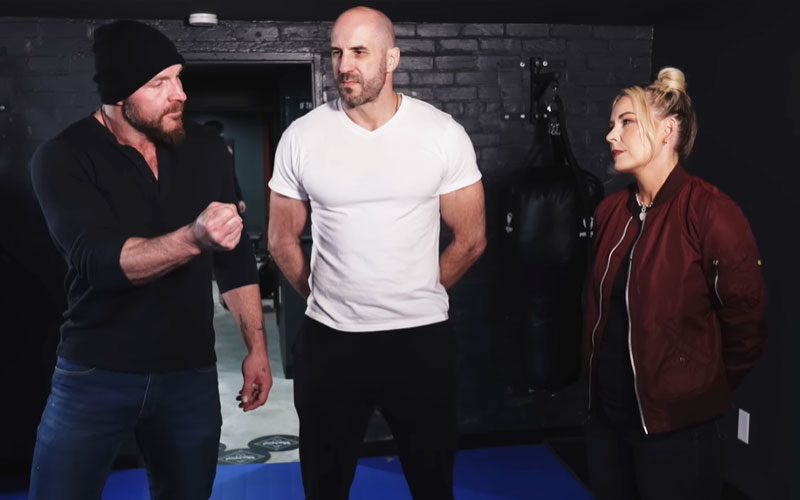
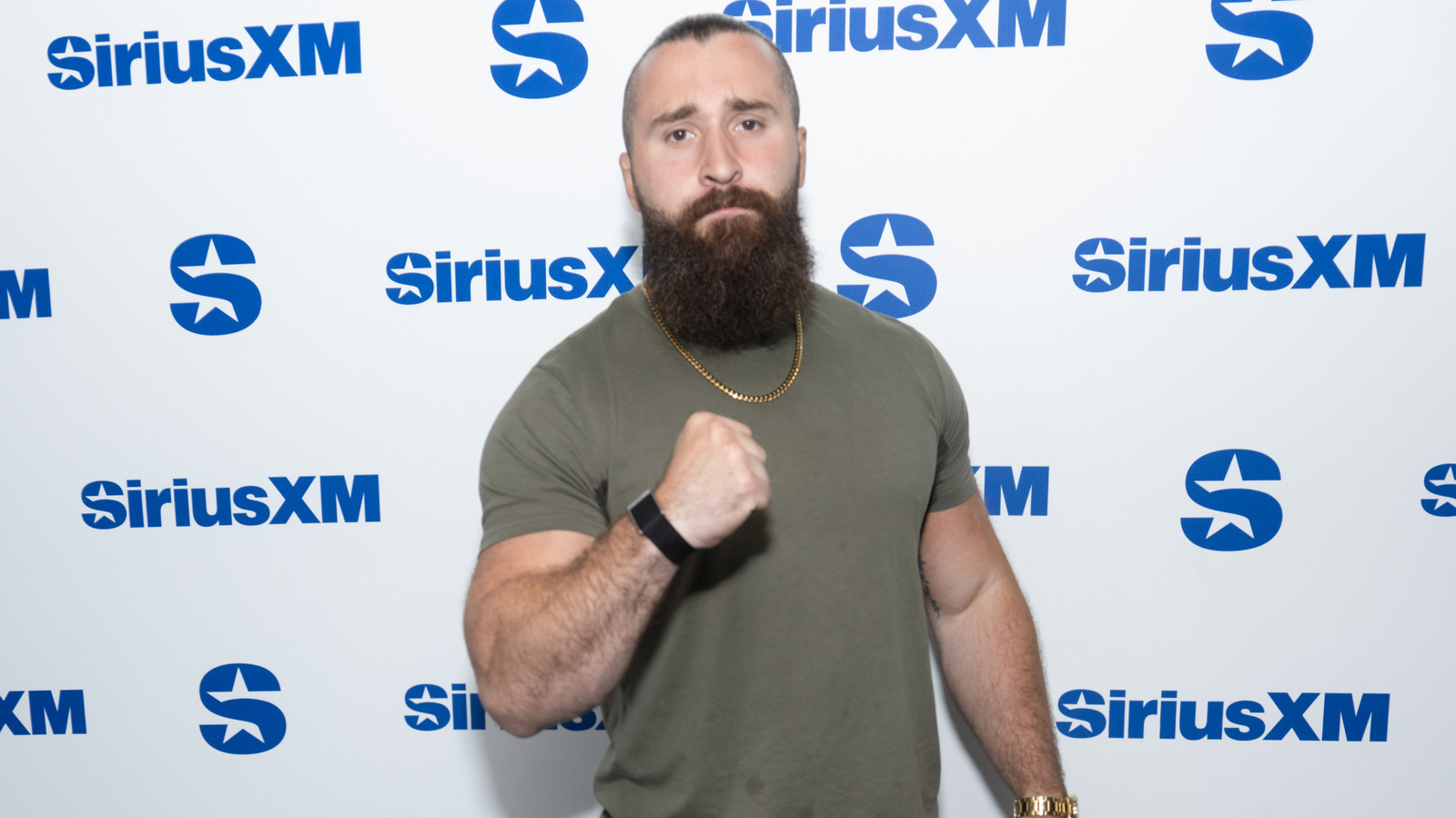
AEW's main event scene is currently suffering through a wave of physical attrition that threatens the stability of its summer television output. While the promotion pushes toward its July 22 Dynamite broadcast, multiple top-tier performers are sidelined, leaving the creative team to scramble for replacements on short notice.
This isn't just a streak of bad luck. The current injury list effectively hollows out the mid-card and title pictures simultaneously. When top names drop, internal logic often breaks as secondary feuds get fast-tracked to compensate for missing marquee talent.
Analyzing the return path concerns
Medical clearance for these athletes follows strict internal protocols, but the pressure to deliver ratings often forces abbreviated physical therapy cycles. Repeatedly rushing wrestlers back onto television before they reach full mobility creates higher long-term risk. We are watching a cycle where talent works through nagging soft tissue soreness just to maintain television presence.
The standard recovery window for the types of ligament tears and meniscus issues currently plaguing this roster is usually 6 to 12 weeks. History proves that shortcuts here are fatal to long-term career longevity. Past seasons have seen premature returns resulting in secondary injuries that knock performers out for twice the original duration.
Strategic damage and creative fallout
The booking team now faces a difficult problem. Viewers often disconnect when the champion or the top contender disappears without warning. Keeping the momentum alive without the primary talent requires shifting the focus to emerging mid-carders, but that move often feels secondary or unearned to a jaded audience.
Fans who track the AEW Dynamite lineup changes have noticed the repetitive shuffling of tag team matches used to fill the silence left by singles star absences. This pattern creates predictable television. When the main event is sacrificed, the undercard rarely has enough narrative gravity to satisfy core followers for two straight hours.
Where the ship might right itself
The solution is not more filler matches. Managing the roster depth requires a fundamental shift in how the promotion handles high-risk aerial spots. Wrestling logic suggests that reducing the frequency of high-impact bumps for aging veterans would stabilize the rotation significantly. Yet, the current style remains heavily dependent on these signature maneuvers.
Consistency in booking matters more than the spectacle of a one-off performance. Until the promotion finds a way to rotate talent effectively without relying on the same five performers for every major match, the injury cycle will repeat. The front office needs to prioritize the health of its assets over the immediate satisfaction of a single quarter-hour rating.
We remain in a waiting game for official medical bulletins on several key performers expected to remain on the shelf past August. Those expecting a sudden surge in star power for the fall return will likely be disappointed. Expect a leaner, less coherent booking structure until the medical report clears significantly.