The empty seats problem that won't go away
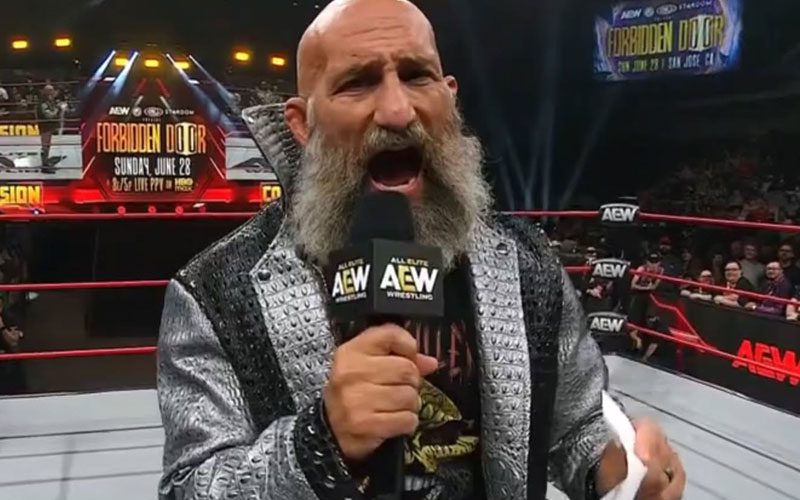
AEW Redemption is happening in a few hours, but the internal metrics look grim. Wrestling is built on the reaction of a crowd, and failing to crack 7,000 tickets in Bell Centre is a brutal reality check for a promotion that needs momentum. According to reports from Ringside News, the company has been fighting an uphill battle to fill the house all week.
We have seen this movie before. When a promotion struggles to move tickets, the energy in the building suffers. A half-empty arena changes the viewer's perception of the quality, turning a pay-per-view into a chore rather than a spectacle. You cannot hide dead space with lighting tricks or hard-camera positioning when the secondary market is flooded.
Booking choices that stalled the momentum
The card for Redemption faces more than just a ticket sales deficit. Without a clear main event hook that captures the Canadian market's imagination, the promotion has left the local fans little reason to commit. Montreal fans are some of the most educated in the world, yet the current booking strategy feels like it ignores the local talent hierarchy.
The lack of a decisive push for a homegrown star in the top spot is a tactical error. When you run a major market, you either stack the card with dream matches or you build the show around a local hero who can command the crowd. Doing neither creates a vacuum that no amount of in-ring work rate can fill. Even the best technical wrestling looks flat when the audience is focused on the empty blue seats in the upper deck.
The math behind the struggle
Let’s look at the hard numbers. Selling 7,000 tickets at the Bell Centre, a venue that holds over 20,000 for hockey, leaves significant sightline issues. The optics of a pinched-in lower bowl are glaringly obvious on broadcast cameras. Attendance figures of 6,812 reported by various ticket trackers highlight a recurring issue where the company's growth curve has flattened.
This is not just about a single night in Quebec. It is about a recurring pattern of overestimating market penetration. When your lead promotions fail to move the needle in a wrestling-mad city, the pressure moves to the creative team to deliver a miracle. A high-risk spot or a sudden title change might salvage a rating, but it will not fix the underlying concern of brand burnout.
My take? They hit the 7,000 threshold through last-minute papering but leave the building feeling hollow. The promotion needs a major shakeup in pricing and distribution logic before their next massive quarterly event, or these empty seats will become an permanent part of their broadcast identity.