The Demographic Paradox
A single ratings number rarely tells a complete story. The 0.11 rating drawn by the May 20, 2026, episode of AEW Dynamite in the key 18-49 demographic represents a sharp tactical puzzle for Tony Khan. Pulled from the special three-hour broadcast in Portland, Maine, the figure shows a resilient floor but a rapidly thinning ceiling.
On the surface, the numbers look like a modest victory. According to the data published by PWInsider, the average viewership of 613,000 represented a 4.8% increase from the previous week's 585,000 viewers. The 18-49 rating also rebounded by 10% from the 0.10 registered on May 13.
The real story emerges when we look back twelve months. The May 21, 2025, go-home episode of Dynamite averaged 575,000 viewers. That means AEW grew its raw audience by 6.6% year-over-year, yet that 2025 episode pulled a far superior 0.15 rating in the key demographic.
This represents a massive 26.7% year-over-year drop in the core demographic. The math is simple and brutal. AEW is succeeding at keeping its aging fanbase hooked, but it is failing to attract the younger viewers that network executives actively chase. The raw eyeballs are there, but its commercial value is leaking away.
The Three-Hour Portland Experiment and Cable Reality
The Law of Diminishing Returns
The May 20 broadcast from the Cross Insurance Arena was billed as a special three-hour block, combining Dynamite with a live episode of Collision. This was a tactical experiment designed to maximize the go-home momentum. But the ratings curve over the three hours demonstrates the hard limit of fan endurance in 2026.
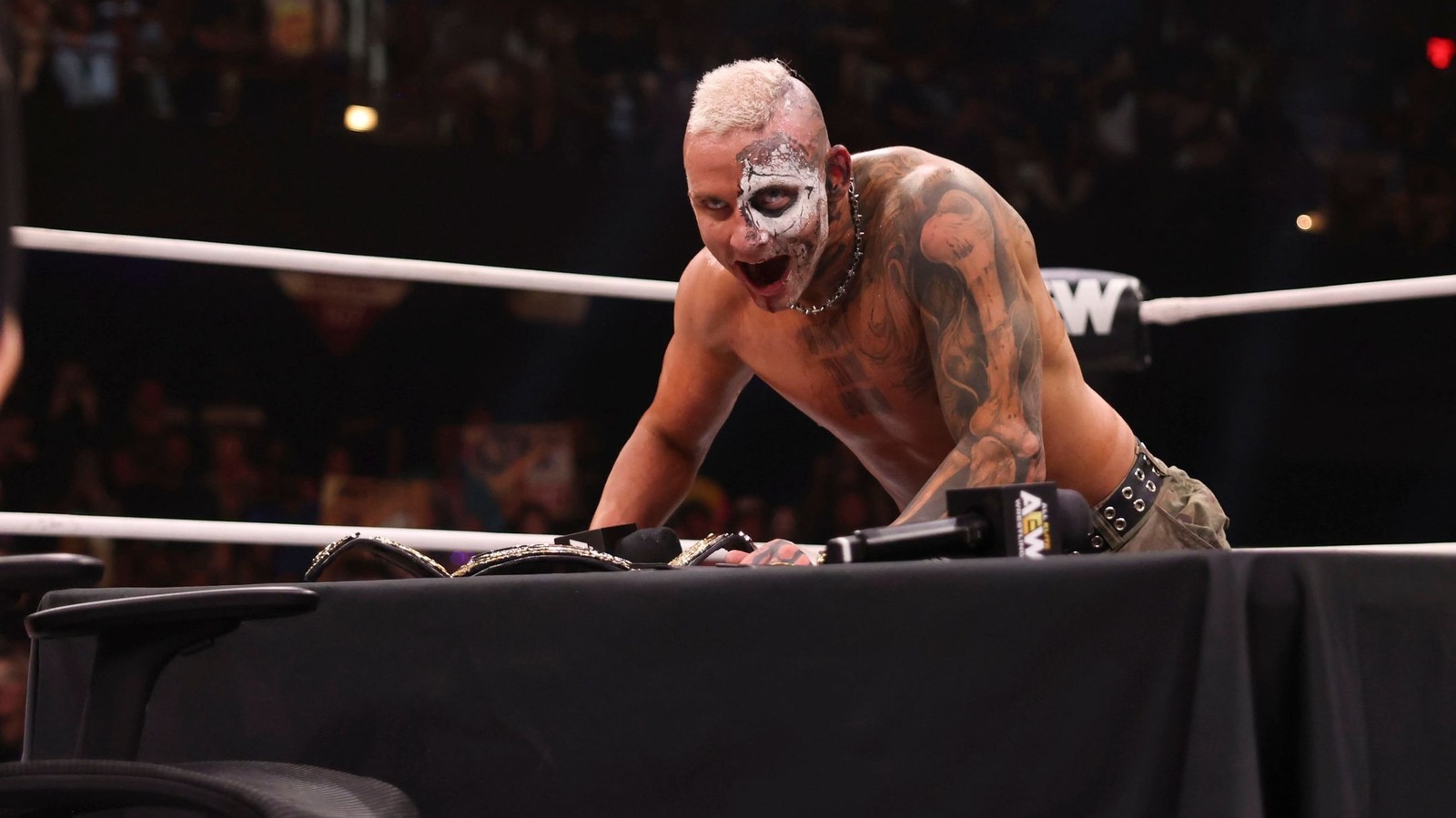
AEW Collision, occupying the 10:00 PM to 11:00 PM slot immediately following Dynamite, averaged 413,000 viewers and a 0.06 in the 18-49 demo. This represents a massive 32.6% drop in total viewership from the Dynamite average. Nearly a third of the audience that watched Darby Allin defend his title turned the channel or went to sleep when the Collision graphics hit the screen.
The demographic rating plummeted by 45.4%, dropping from the 0.11 peak down to a bare-minimum 0.06. To put these numbers in perspective, we have to look at the developmental competition. WWE NXT has had its own struggles recently, sinking to one of the lowest ratings in show history on May 12, 2026, with 498,000 viewers and a 0.06 demo rating.
NXT managed a slight rebound on May 19 to 517,000 viewers and a 0.08 demo rating. Dynamite still maintains a comfortable buffer over WWE's third brand, but the gap is no longer the chasm it was three years ago.
Meanwhile, the main roster shows continue to exist in a different economic tier. The May 15, 2026, episode of WWE SmackDown on USA Network drew 1.184 million viewers and a 0.23 rating in the 18-49 demo. Even on a down week for SmackDown, which was a drop from the previous week's 1.279 million viewers and 0.29 rating, it easily doubled Dynamite's demo share.
In-Ring Chess and the Double-Edged Sword of Draw Booking
The Tactical Cost of Draw Booking
The tactical execution inside the ring on May 20 was highly focused, but the booking choices left plenty of room for critical debate. The center-piece of the athletic display was the AEW Continental Championship Eliminator match. Champion Jon Moxley and challenger Kyle O'Reilly fought to a grueling 20-minute time-limit draw.
On paper, this was a masterful display of professional wrestling as a combat sport, featuring intense transition work, joint locks, and realistic strike exchanges. However, booking a draw on the go-home show before a pay-per-view is a highly questionable tactical choice. O'Reilly immediately demanded a rematch for Double or Nothing with no time limit.
By doing this, AEW effectively told the audience that the contest they had just watched was merely a prologue. It turned a high-stakes television match into a commercial, robbing the Portland crowd of a satisfying resolution. This highlights a recurring booking flaw where television matches exist solely to set up identical matches days later.
The actual main event of the Dynamite portion of the card was a sharp contrast. Darby Allin defended his AEW World Championship against 'Speedball' Mike Bailey in a match that pitted Bailey's high-speed martial arts kicks against Allin's reckless, high-risk bumping style. Allin eventually secured the submission victory, proving he can win with tactical grappling rather than just surviving a car wreck.
It was a vital showcase that made the champion look versatile ahead of his high-stakes 'Title vs. Hair' match against MJF at Double or Nothing. The show also featured a brutal Anything Goes match where Mark Briscoe defeated Tommaso Ciampa. The climax saw Briscoe hit a spectacular Jay Driller on Ciampa through a barbed-wire table.
While the match succeeded in waking up the crowd midway through the second hour, the sheer level of violence felt misplaced on a free television broadcast. Using a barbed-wire table spot on a go-home show risks desensitizing the audience before they even see the Stadium Stampede match at the pay-per-view. It was a cheap pop that sacrificed long-term drama for a short-term reaction.
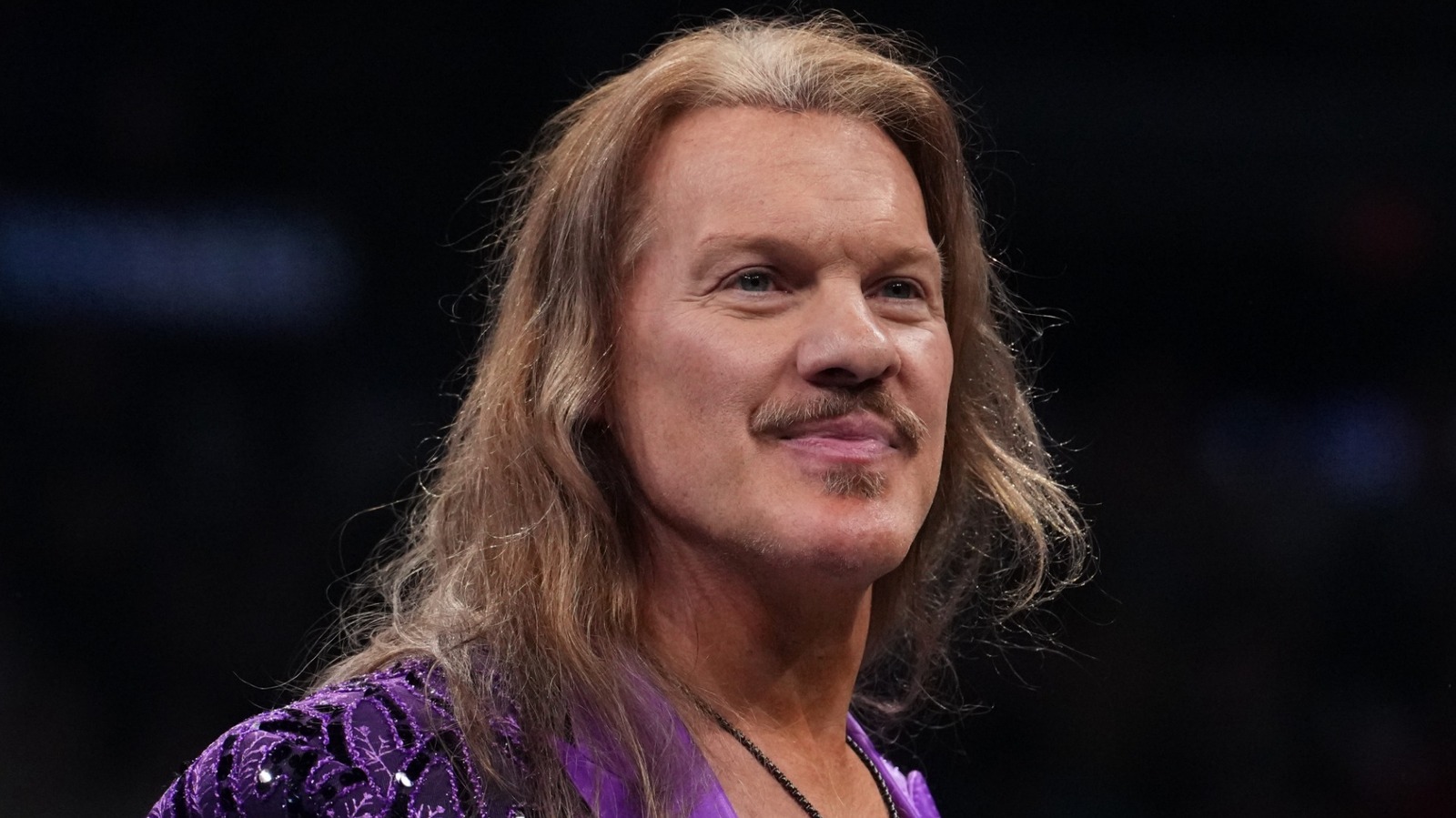
The opening trios match saw Ricochet, Andrade El Idolo, and Mark Davis defeat Chris Jericho and The Young Bucks. The workrate was exceptionally clean, particularly Ricochet's aerial transitions. The post-match brawl, however, was a crowded mess.
The sudden appearance of Jack Perry, Bobby Lashley, and Shelton Benjamin under the 'Hurt Syndicate' banner created a chaotic scene that lacked narrative focus. Trying to cram stadium stampede hype, new faction debuts, and multiple brawling units into a five-minute post-match window left the live crowd confused rather than energized.
The Women's Division Setback and PPV Ramifications
The most significant tactical blow of the night occurred outside the ring. Willow Nightingale took the microphone to announce a legitimate shoulder injury suffered during her recent match against Red Velvet. This forced her to relinquish the TBS Championship and withdraw from the Owen Hart Foundation Tournament.
This is a devastating development for AEW's women's division, which has struggled for consistent booking direction all year. To compensate for the loss of the TBS title segment, AEW booked an eight-woman tag team match. The Triangle of Madness (Thekla, Skye Blue, and Julia Hart) teamed with Athena to defeat Thunder Rosa, Mina Shirakawa, and The Brawling Birds (Alex Windsor and Jamie Hayter).
The match was fast-paced, but it suffered from the classic multi-woman tag team formula where individuals rarely had time to establish a narrative flow. Thekla's submission work was the clear highlight, but the match felt like a rushed holding pattern to cover for Nightingale's sudden absence.
The narrative momentum was similarly mixed in the men's heavyweight division. Prince Nana's introduction of Swerve Strickland was interrupted by a vicious sneak attack from Bandido. This segment succeeded in positioning Bandido as a threat, but it felt disjointed given Swerve's current trajectory.
Swerve has been positioned as a top-tier star, yet he is still being booked in reactive, defensive segments rather than driving the action himself. It makes the world title scene feel like a series of random interruptions rather than a focused crusade.
Ultimately, the Portland ratings show that AEW remains a highly stable television product with a fiercely loyal core. The 4.8% increase in total viewers to 613,000 shows that the promotional machine still knows how to gather an audience for big events as the May 20 ratings report indicates. But the year-over-year demographic erosion is an inescapable tactical reality.
If Tony Khan cannot find a way to make his fast-paced, high-risk in-ring style appeal to the under-50 demographic again, AEW risks becoming a highly profitable, excellently wrestled nostalgia act for an aging generation. In wrestling, as in sports, standing still is just a slow way of moving backward.