The Near-Fatal Shelving and the 2019 Resuscitation
Professional wrestling television franchises do not just battle for ratings; they fight for physical survival on the broadcast schedule. In the spring of 2019, Vice TV prepared to shelve its critically acclaimed docuseries, Dark Side of the Ring, before it could build momentum. The creators faced corporate executives who were ready to bury the project under a stack of negative viewer stereotypes.
According to series co-creator Evan Husney, the show was staring at an indefinite delay that could have killed the brand entirely. Only a sudden shift in the cable television industry rescued the docuseries from the production graveyard. The rise of a new corporate competitor changed the entire financial equation for network decision-makers.
This reporter has analyzed the production history of the franchise ahead of its upcoming return next week. The data shows that the health of wrestling media is directly tied to the competitive heat of the business itself. When promotions thrive on cable, the documentary crews who cover their history get the green light to tell their stories.
The initial threat to the franchise was defined by corporate skepticism regarding the financial value of professional wrestling fans. Cable executives operated under the assumption that wrestling viewers were broke and offered zero value to premium advertisers. As Ringside News detailed, Husney had to fight these ugly administrative stigmas to keep the project breathing.
The production team followed a strict rehabilitation strategy to revive the stalled series. They implemented several measures to prove the brand's long-term commercial health:
- They monitored the 2019 television ratings of competing promotions to identify market demand.
- They compiled live event attendance figures to prove the financial power of the fan base.
- They utilized the new cable war to convince Vice executives that wrestling content was profitable.
To prove the fans had money, the production team relied on the ticket sales and travel metrics from the All In event in Chicago. They showed that thousands of affluent consumers were flying across the country and spending significant cash on their passion. The strategy worked, convincing the network that the fan base was highly lucrative.
The Season 7 Diagnostic: TNA, Jeff Jarrett, and Tony Khan
The series is now preparing to launch its highly anticipated Season 7 on July 7, featuring its most ambitious booking structure yet. The centerpiece of the new season is an epic three-hour block focused on Jeff Jarrett and the rise of TNA Wrestling. Rather than a standard career biography, the broadcast will analyze the corporate backstabbing and betrayal that defined the company's early years.
Wrestling fans will get a detailed look at the financial chaos and self-booking decisions that almost destroyed the promotion. The documentary crew went backstage at a recent AEW event to film Jarrett in his current working environment. That shoot produced an unexpected bonus when the AEW president agreed to participate.
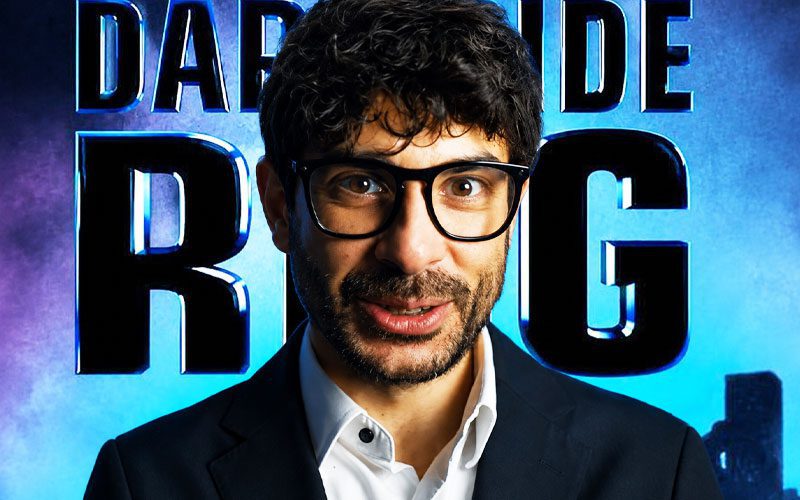
As Wrestling News reported, Tony Khan was a surprise addition who was not originally scheduled for the broadcast. Jarrett suggested that the president sit down to discuss Jeff's current role and career longevity. Khan, who has watched every episode of the series, agreed to do the interview that same afternoon.
“Tony Khan was a surprise. It wasn’t something that we were expecting,”
This surprise interview could alter how future wrestling figures view the controversial docuseries. Narrator Chris Jericho noted that Khan's participation represents a major shift in corporate cooperation. It is a level of access that top WWE executives like Vince McMahon or Triple H would never grant.
Jericho believes that having the AEW president on camera will make it difficult for other legends to decline future invitations. If a major promoter is willing to address the dark corners of the business, retired performers lose their excuse to stay silent. The strategic implications of this interview could shape the next decade of wrestling documentaries.
The Renegade and the Psychological Scars of the Warrior Gimmick
The upcoming season will also feature a standalone episode detailing the tragic life and death of Rick Wilson, who performed as The Renegade. The gimmick was a direct copy of the Ultimate Warrior, introduced by WCW in 1995 to counter their rival's star power. Wilson's story has remained on the back burner for years as the production team looked for the right sources.
As Ringside News reported, the producers originally planned to cram Wilson's story into the Season 3 episode about the Ultimate Warrior. However, the thread was cut for time because Wilson had no direct relationship with the real Warrior. The creators realized that shoving a tragic suicide into another man's biography did not make editorial sense.
The decision to hold the story paid off during recent research for the new season. Producers tracked down Wilson's first wife and his closest friends, allowing them to construct a full hour of television. The interview footage reportedly exposes the severe psychological toll of playing a rejected knockoff character in a cutthroat locker room.
The Strategic Prognosis for Wrestling Documentary TV
The strategic implications of these documentary choices are massive for the broader wrestling industry. By focusing on the rise and fall of TNA, the show is forcing modern promoters to examine the dangers of self-booking. The three-part episode will highlight how ego-driven creative decisions can alienate a locker room and drive away television viewers.
However, the show faces valid criticism for its reliance on sensationalized historical narratives. Some analysts argue that focusing exclusively on tragedy creates a warped view of the professional wrestling business. There is a risk that viewers will walk away believing the industry is entirely populated by villains and victims.
This editorial bias can sometimes feel like a cheap trick to generate social media buzz. While the Renegade episode promises real journalism, the producers must avoid exploitation. The memory of Rick Wilson deserves a factual analysis of WCW's booking failures, not just a recap of his personal struggles.
The upcoming season represents a major test for VICE TV as they attempt to maintain their ratings in a crowded media market. With WWE expanding its own library of historical documentaries, the competition for wrestling history is fiercer than ever. Competitors are watching to see if the TNA double-header can draw casual sports fans.
Ultimately, the health of the franchise depends on its ability to secure high-profile interviews. Landing Tony Khan was a tactical victory, but it also raises questions about editorial independence. The show must prove it can critique modern promoters even while featuring them on their broadcasts.
As the television premiere approaches, the wrestling community is preparing for another round of public debates. The series has proved that its survival was worth the fight in 2019. The upcoming episodes will show if the docuseries can still deliver the hard-hitting journalism that saved it from the shelf.