The Corporate Cloud Hanging Over AEW
The immediate future of All Elite Wrestling has shifted from the squared circle to the courtroom. A massive Paramount and Warner Bros. Discovery merger, valued at north of $110 billion, is heading toward a protracted legal battle that threatens to complicate contract negotiations. While Tony Khan maintains that his current programming schedule remains focused on growth, the uncertainty surrounding his primary broadcast partner is impossible to ignore.
Television rights are the lifeblood of modern promotion operations. With the current deal structure currently in a state of suspended animation, the ability to lock in long-term renewals faces a significant bottleneck. Network executives are unlikely to sign off on massive financial commitments while their own corporate ownership remains under the scrutiny of federal litigators.
The PPV Strategy Amid Uncertainty
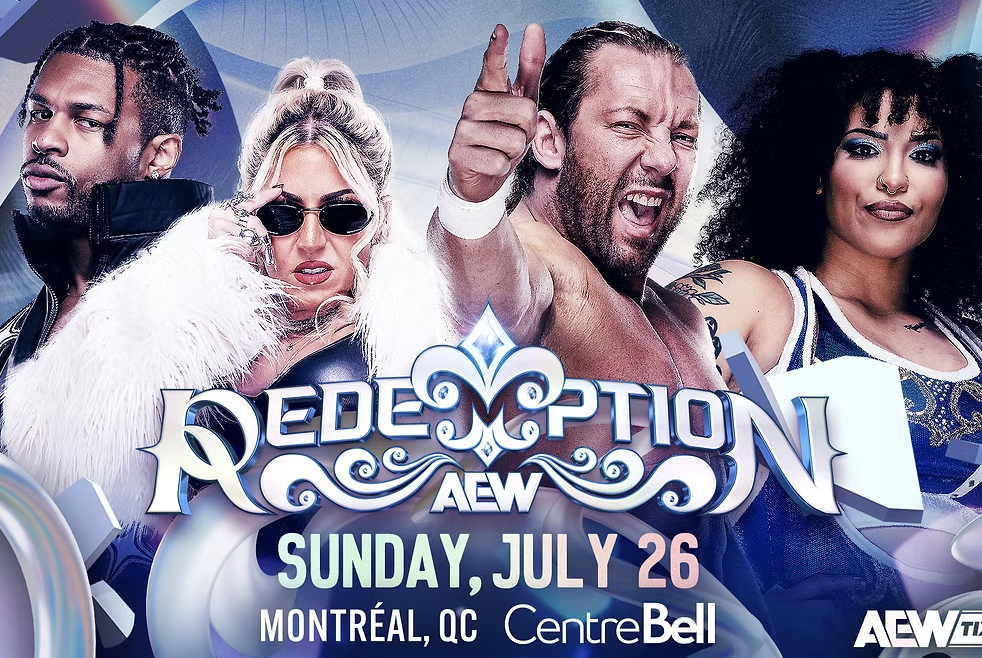
Despite the high-level corporate tension, the internal product remains aggressive. Khan recently noted that the addition of the Redemption event to the PPV calendar was designed to be additive to the lead-up for All In. Increasing the frequency of high-stakes shows is a gamble intended to capture more market share during a period where mainstream attention is usually fractured.
However, this strategy carries inherent risks. Pushing more premium live events requires consistent viewer retention, and the audience is already being asked to buy into multiple high-price shows within a condensed window. If the television contract negotiations stall further, the promotion may need to rely more heavily on these pay-per-view revenues to offset potential stagnancy in their distribution agreements.
Analyzing the Potential Ripple Effects
The primary concern for fans is how this Paramount-WBD court fight impacts talent acquisition. If the budget for new signings is frozen due to pending media rights discussions, the roster might face stagnation. AEW has typically thrived on the shock-value signing of major free agents, and any pause in that pipeline could damage their momentum against competitors.
Critics point out that the reliance on pay-per-view growth as a solution for broadcast uncertainty is shortsighted. While pay-per-view revenue is helpful, it does not replace the visibility or the baseline financial stability offered by a major network television deal. Relying on fans to constantly open their wallets for 'additive' shows without a concrete television future is a strategy that could eventually result in diminishing returns.
Probability and Impact Assessment
The probability of this situation causing short-term disruption to weekly programming is low, as the promotion remains secure with Warner Bros. Discovery for the time being. However, the probability of delayed contract negotiations is high, as the judiciary process rarely favors the timelines of sports entertainment companies. Expect this to remain a background noise issue rather than a sudden change of format.
If the deal is forced into a short-term rollover, the impact would be a lack of clarity on budget allocation heading into 2027. If a new, lucrative deal is eventually secured, the promotion could solidify its standing as a permanent fixture in the industry. For now, the most realistic expectation is a period of conservative decision-making while the legal teams continue their work through the autumn months. The growth of the promotion now sits in the hands of corporate lawyers rather than the creative writers.