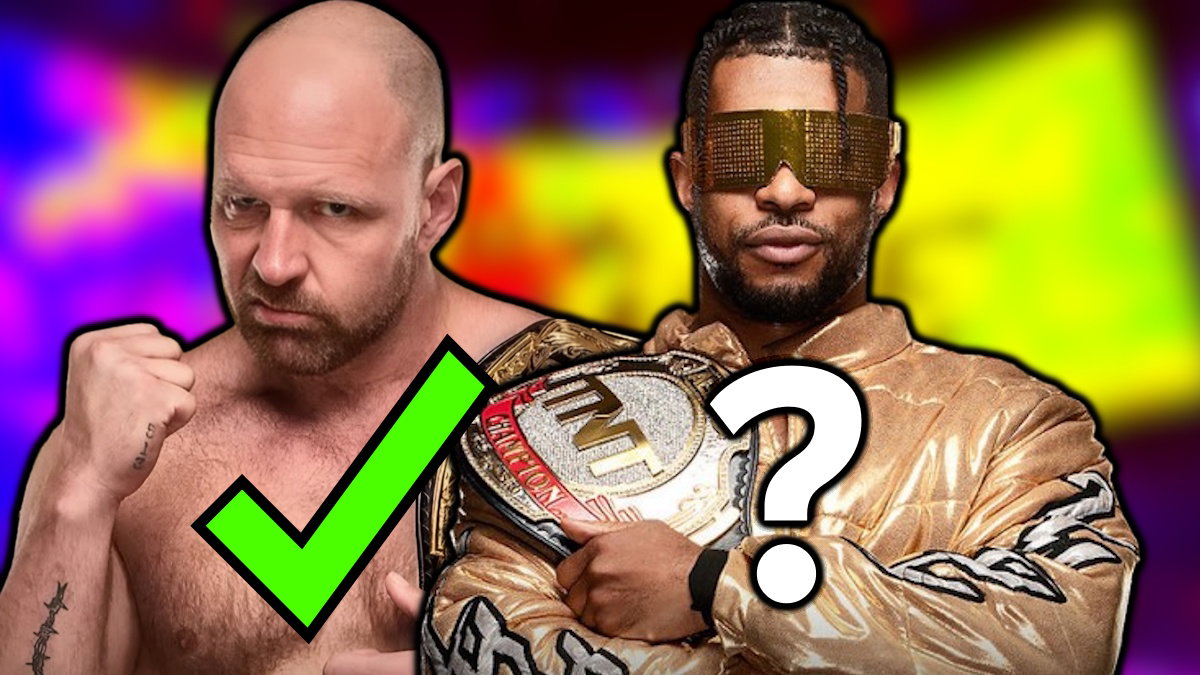
The championship void in AEW
All Elite Wrestling currently relies on a roster of champions who struggle to project the kind of dominance that defined past eras. Looking at recent rankings of AEW titleholders, the disparity in quality is jarring. We see world champions who feel like they are spinning their wheels while mid-card titleholders are often the ones actually moving the needle.
The issue stems from a lack of narrative structure. When you compare the current crop to the historic 1,316-day run of Roman Reigns, the difference in gravity is immediate. Fans spent years waiting for a crack in the armor of the Bloodline, a psychological investment that AEW has yet to replicate with its top-tier talent. According to historical data on the Reigns reign, the suspense was built on the constant threat of a clean finish.
The shadow cast by WrestleMania 40
It is impossible to watch championship wrestling in 2026 without acknowledging the pivot point at WrestleMania 40. Nick Khan recently clarified that the outcome between Cody Rhodes and Roman Reigns was locked in early, stating that the match was always the intended finish. That kind of long-term certainty is absent in the current AEW product.
AEW operates on a week-to-week creative cycle that often lacks the firm roadmap highlighted in the comments from Nick Khan regarding WWE successes. While the in-ring output remains high, the champions lack the definitive aura required to sell out venues on their own merit. Watching a talent like Swerve Strickland or Ospreay perform is a technical joy, yet the booking frequently fumbles the follow-through after major title changes.
The booking flaw
The biggest critique of the current AEW championship scene is the reliance on interchangeable contenders. A title should represent the pinnacle of a division, not just the next guy in line who happens to be popular with the internal analytics department. When you rotate challengers without establishing a clear foil for the champion, the belt loses secondary meaning.
Matches often devolve into high-spot sequences that prioritize work rate over character stakes. Technical proficiency is fine, but it cannot mask a lack of tension in the build-up. Without a coherent long-term strategy, the titles feel like expensive props rather than career-defining achievements. I predict that unless there is a drastic shift toward character-driven feuds rather than dream-match clusters, the upcoming quarterly earnings for tournament-based draws will suffer a significant decline.