Physical limitations stall Lee’s in-ring return
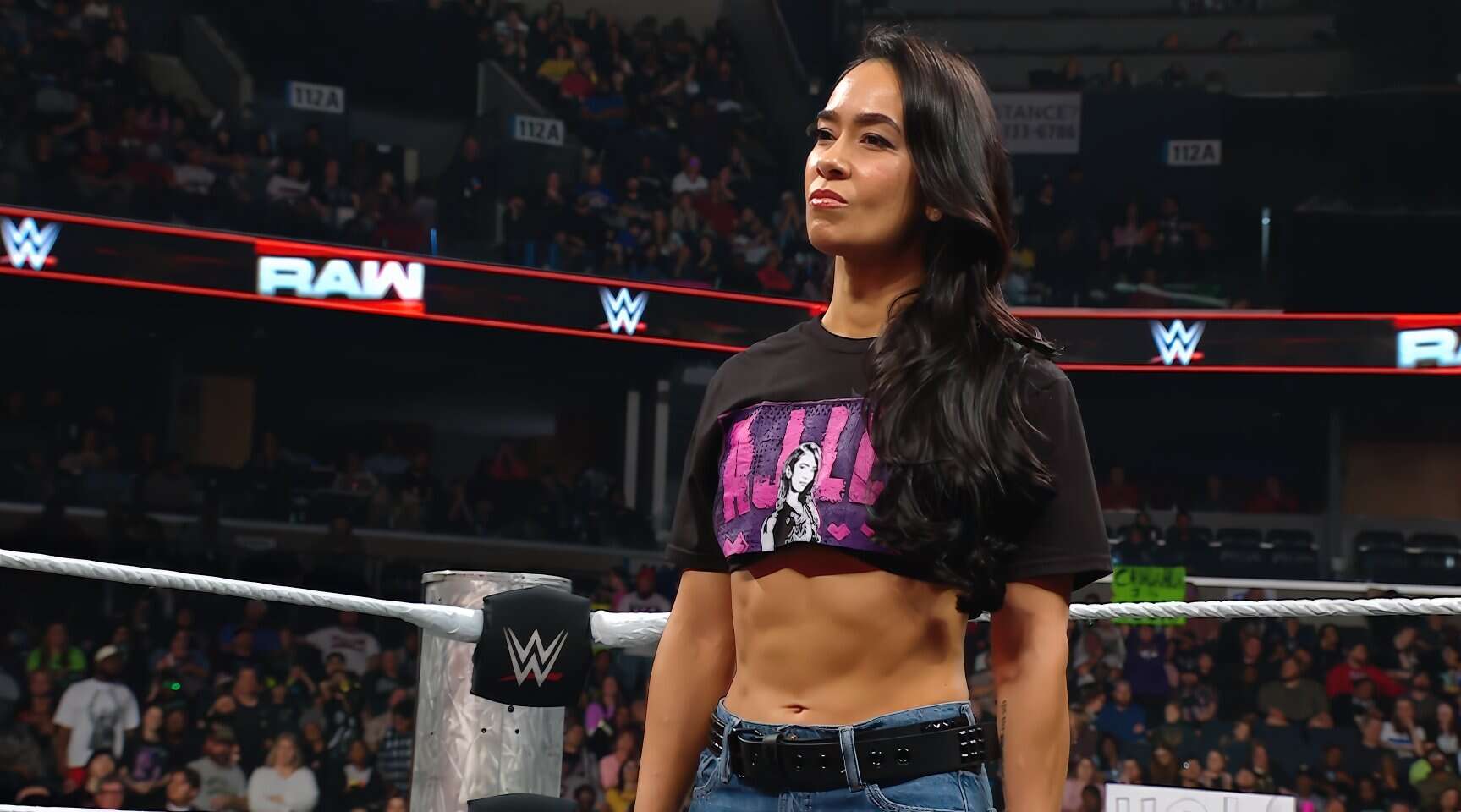
AJ Lee is officially involved in a high-profile WWE project, but her trajectory toward an active roster spot remains stalled throughout June 2026. While she confirmed her participation in the current developmental project, medical clearance for full-contact wrestling is not currently on the table.
Sources indicate the hurdle lies in the recurring history of cervical spine issues that forced her initial retirement in 2015. Tightening safety standards at the performance center have made the clearance process more rigorous than the era Lee last inhabited, placing her in a holding pattern while internal medical teams monitor her functional range of motion.
The cost of medical caution
Management is reportedly adopting a scorched-earth policy regarding liability. With AJ Lee confirming her collaboration with the company, the public assumes a return to televised competition is imminent. This expectation is misaligned with the current clinical reality.
The standard for returning to the ring has shifted since the mid-2010s. Modern protocols require multi-stage neuro-psychological testing and specific cervical load benchmarks that go well beyond simple strength assessments. For a performer with a background of injury, these thresholds act as a hard ceiling.
Competitive impact of a stalled comeback
WWE’s creative team is currently navigating a roster crowded with young talent who have not seen the long-term wear and tear of the 2010 territory wars. Lee’s physical status acts as a pivot point for event planning. If she clears, the promotion gains a headline attraction for premium live events.
If she fails to clear, the booking office loses a marquee name for the summer slot. This results in heavy reliance on the existing women’s division, which is already stretched thin following the recent cluster of mid-card injuries. The dependency on a part-time legend for main-event stability is an organizational weakness, as demonstrated by the lack of depth at the top of the card.
Historical context and strategic failure
We have seen this playbook before with legends attempting a second run. Similar to the drawn-out clearance of performers returning from multi-year hiatuses, the longer the recovery period lasts without a firm date, the higher the likelihood of a silent pivot to a non-wrestling role. The current timeline suggests nothing beyond light project participation.
The failure to secure an early, clean bill of health serves as a critique of how the promotion scouts and signs talent for surprise returns. Relying on past star power without knowing the physical readiness of the athlete creates a volatile scenario for marketers and ticket sellers alike.
The outlook for late 2026
As of June 15, 2026, Lee remains officially sidelined from all sanctioned matches. The project she confirmed is confirmed to be outside of active competition duties. Her involvement is limited to creative consulting and media-heavy segments that minimize impact to the spine.
Expect this pattern to hold for the duration of the current quarter. Unless a massive shift occurs in diagnostic imaging results, the professional forecast for her return to the ring is near zero. Fans expecting a signature look at a stadium event will likely be disappointed by the administrative reality of her recovery status.
The return date estimate remains unknown, though the likelihood of a zero-match run for the remainder of the 2026 calendar is rising. This is a classic case of corporate expectation mismanagement meeting the hard, unmovable reality of physiological recovery.