AJ Styles and the diminishing returns of outside-the-ring brawls
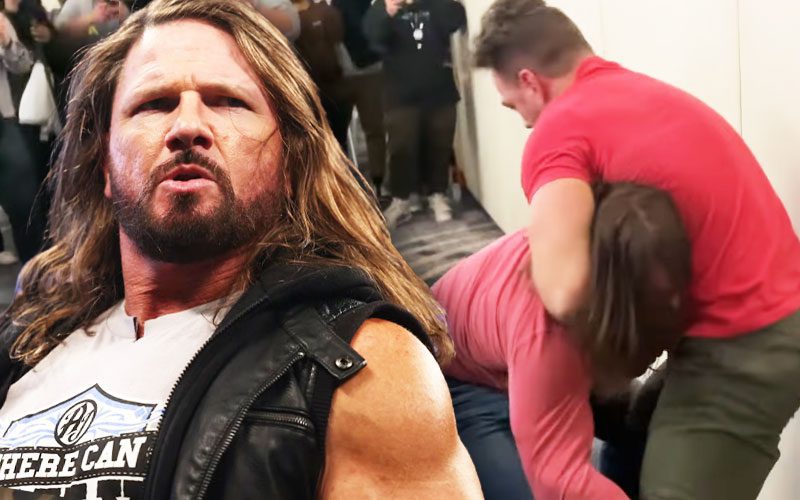
The performative fatigue of the press conference brawl
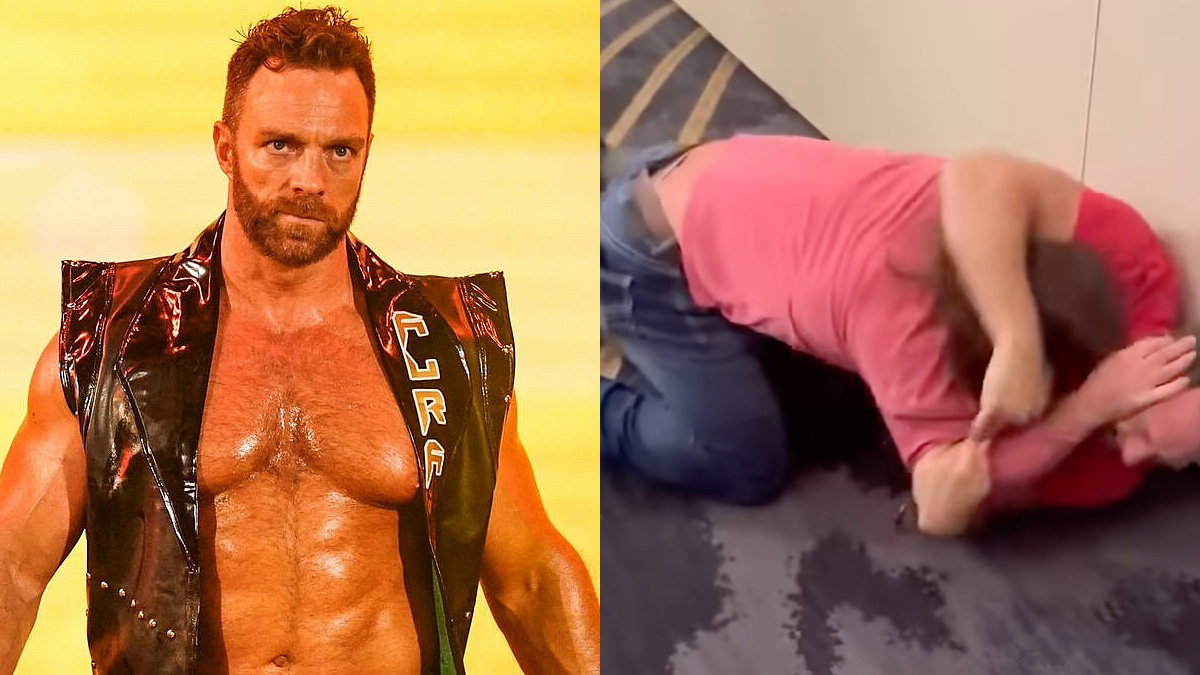
Professional wrestling has a habit of cannibalizing its own credibility. When AJ Styles reflects on his WrestleMania 40 encounter with LA Knight, his distaste for the chaos is palpable to anyone who values the integrity of the match itself. Styles argues that such chaotic, unscripted interruptions dilute the athletic tension that should define his feud with Knight.
We are watching these angles drift further away from the ring and into the sterile environment of media sessions. Styles, a veteran who built his reputation on high-level execution in the squared circle, understands that a press conference brawl is often a distraction from the heavy lifting taking place during the bell-to-bell performance. When talent is forced into these high-octane scuffles in a lobby, it often serves to mask creative shortcomings in the actual buildup.
Tactical spacing and the loss of intensity
The pacing of modern wrestling television fluctuates wildly, and these extracurricular sprints are the primary culprits. By pulling wrestlers out of the arena and into the media suite, the creative team sacrifices the gravity of the ring. Styles noted on the Phenomenally Retro podcast that he found little utility in the physicality that broke out alongside Knight, suggesting that the effort spent on external mayhem would be better invested in the storytelling progression within the ropes.
Consider the contrast between a focused submission sequence and a random brawl over a microphone. The former requires a consistent logical progression, while the latter relies on shock value. When the 87 percent of the audience who tunes in for athletic quality sees two stars rolling on the floor with security guards, the tactical depth of the rivalry vanishes. It is the wrestling equivalent of a goalkeeper leaving his box to chase a midfielder who has already passed the ball.
The danger of over-saturation
The industry is currently struggling with a format fatigue where every segment ends in a beatdown. If everything results in a physical scuffle, nothing feels earned. Styles' frustration reflects a wider truth about the current booking trajectory: we are seeing a reliance on binary choices, where interaction must immediately escalate to violence. There is no room for the slow-cooker feuds that defined the early 2000s, where movement and positioning were used to bait an opponent into a mistake.
This is further complicated by the fact that other promotions are facing their own existential pressure as ratings took a significant hit recently, forcing a scramble for eyes that leads to these frantic, nonsensical brawls. Whether it is in the AEW arena or a pre-show media event, short-term optics are being prioritized over long-term character arcs. The data suggests this panic is counterproductive.
When we examine the output of performers like Chad Gable, who brings an Olympian's discipline to every transition, it becomes clear that technical superiority is the only way to retain a demanding audience. Gable is a master of the mat, yet he is frequently shunted into secondary narratives that require these high-intensity brawls instead of letting his workrate do the talking. The strategy of using outside-the-ring chaos to drive engagement is a gamble that rarely pays off in meaningful viewership growth.
Wrestlers are becoming stuntmen for the digital age, performing these scripted scuffles for clip-ready soundbites rather than substantive character development. If Styles is the benchmark for in-ring excellence, his warning should be heeded. We need to stop equating noise with heat.
The shift away from high-stakes athletics is not serving the product. Until the focus shifts back to the ring, these segments will continue to feel like unnecessary filler. We deserve matches built on athletic rivalry, not hallway brawls built on forced confrontation. If the goal is to secure long-term loyalty, the creative direction must move beyond the short-term thrill of a security scramble.
Mattel WWE Elite Collection Series 109 Action Figure, Dominik Mysterio
Grab the most 'hated' superstar in the ring for your collection.
Frequently Asked Questions
Why does AJ Styles dislike pre-show brawls?
How do modern brawls affect wrestling storytelling?
What is the impact of frequent backstage or media scuffles?
Why are wrestling promotions prioritizing media brawls?
What does AJ Styles prefer over chaotic media brawls?
More Coverage
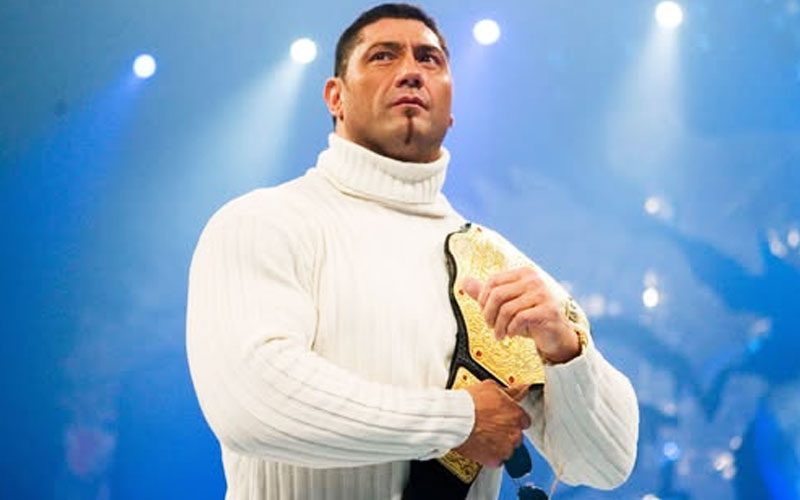
Batista reveals the brutal reality of his early WWE world title run
an hour ago
The SiriusXM shuffle and what it means for wrestling media
an hour ago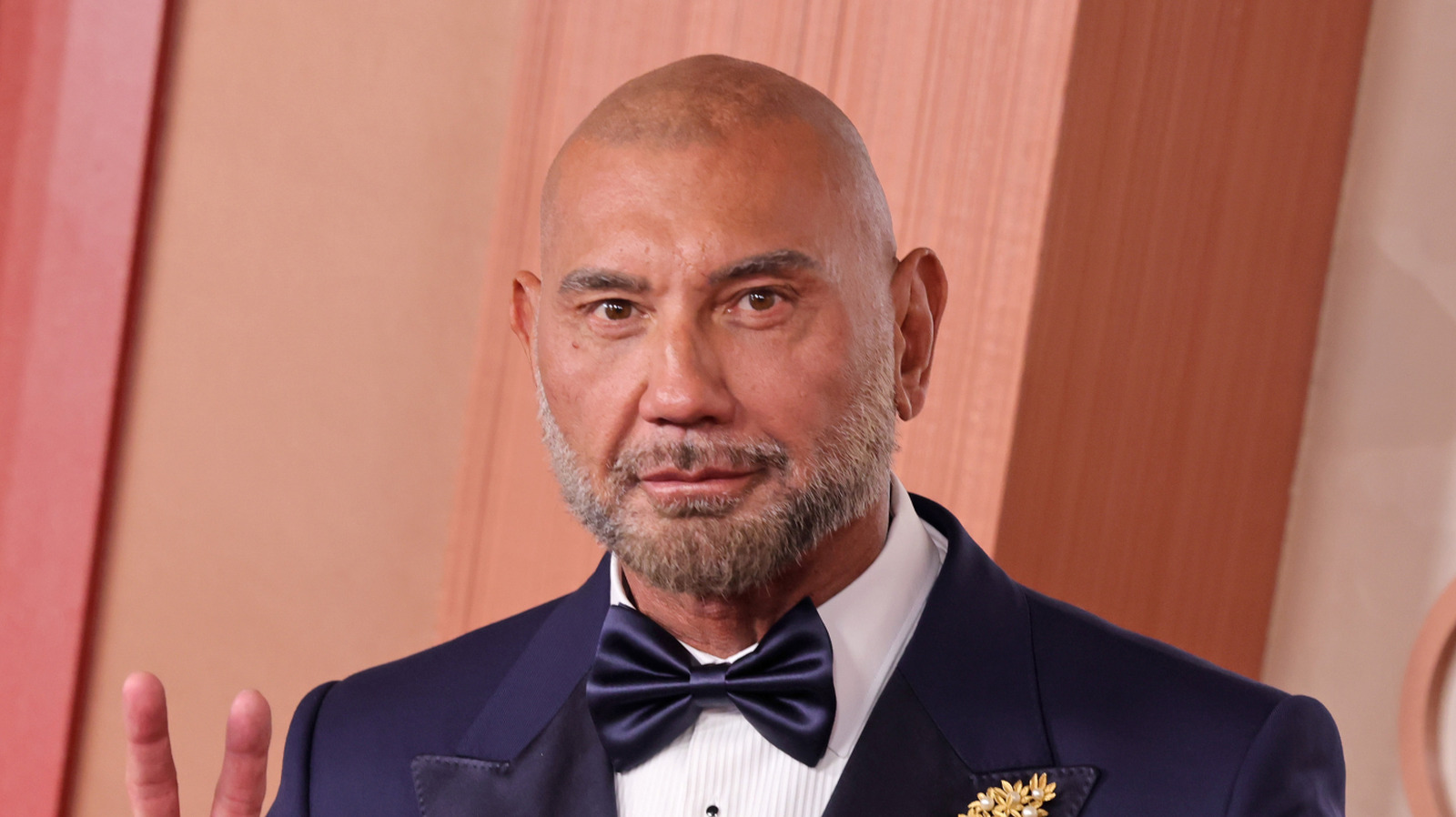
Dave Bautista is never coming back to WWE and honestly, we should thank him
2 hours ago
Dave Bautista is never coming back and that's the best thing for his legacy
2 hours ago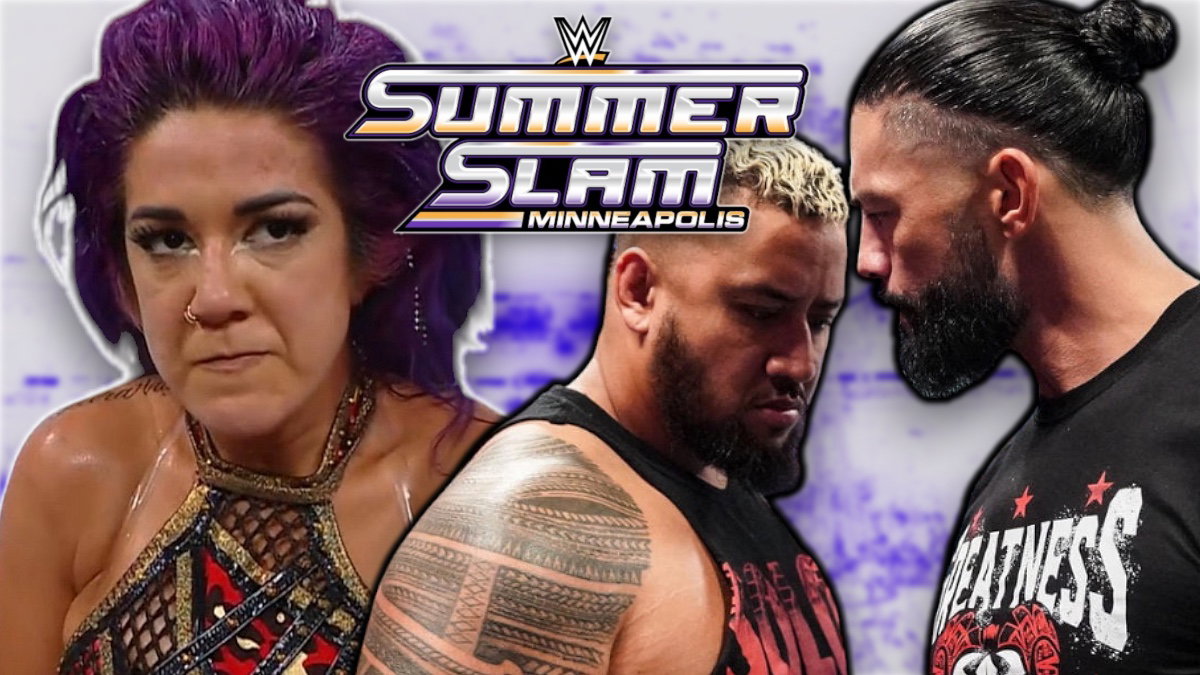
SummerSlam 2026 is heading for a massive double-night pacing failure
2 hours agoStop falling for the bait when Omega and Creed start trolling
3 hours agoMore Analysis
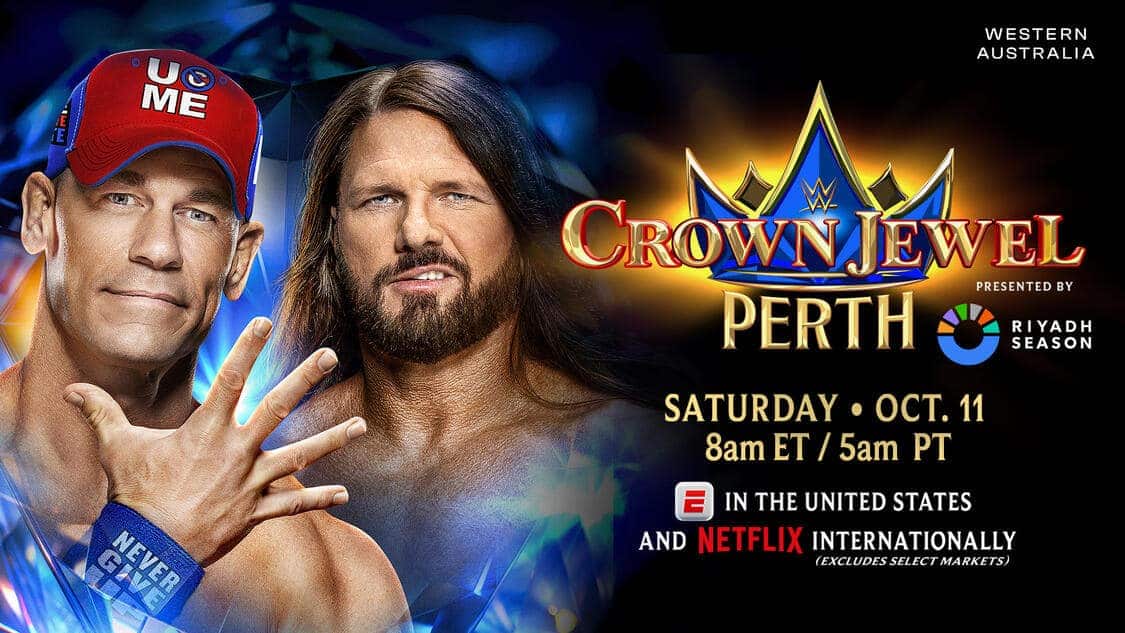
AJ Styles deserves more than a nostalgia act for his final run
2 days, 3 hours ago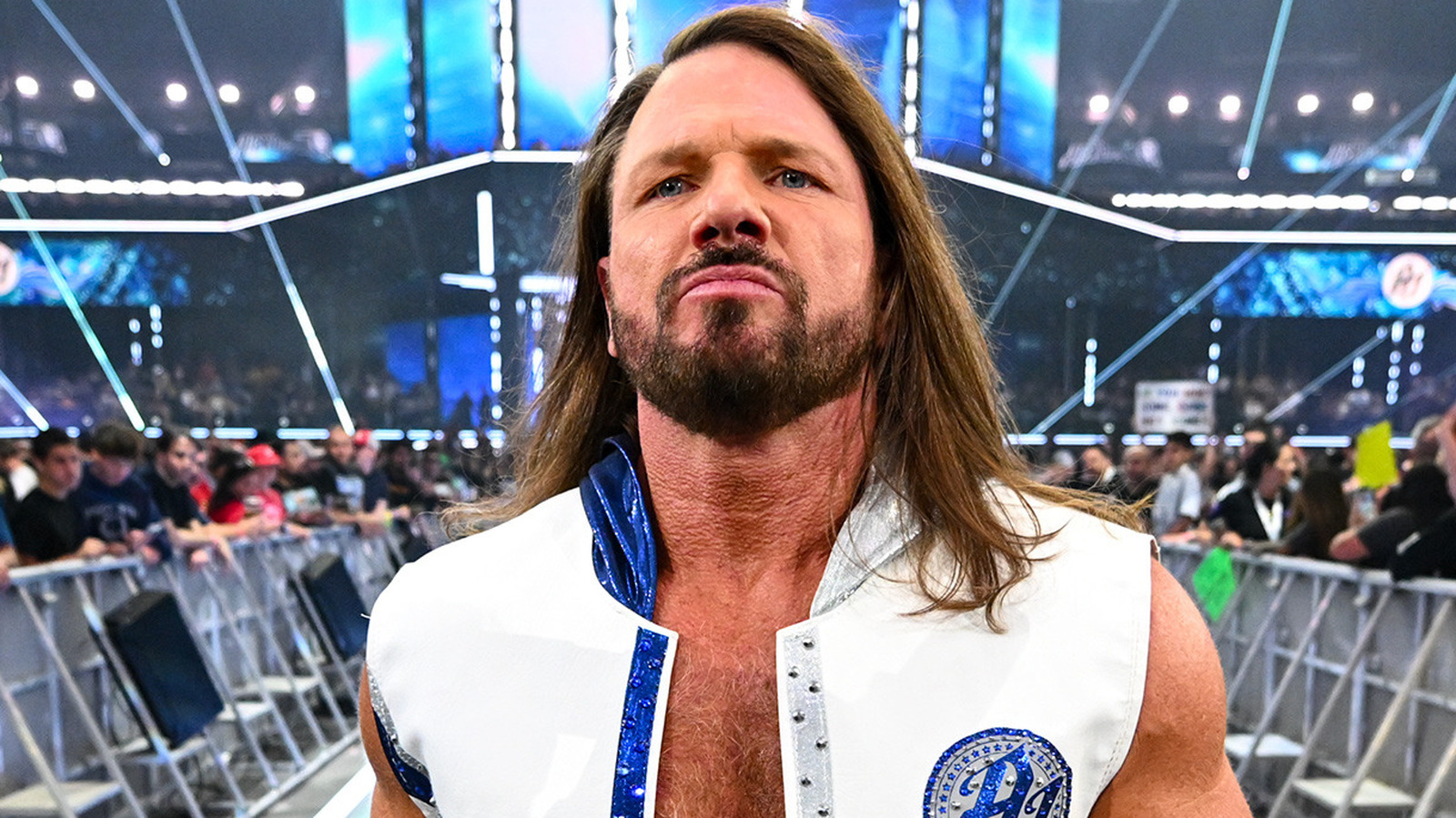
AJ Styles is right about the NIL performance gap in WWE
4 months ago
AJ Styles just exposed the rehearsal problem ahead of WWE Backlash
2 months, 2 weeks ago
AJ Styles is bored of your win-loss obsession
1 month, 1 week ago
AJ Styles deserves more than a nostalgia act for his final run
2 days, 3 hours ago