The toll of the Royal Rumble exit
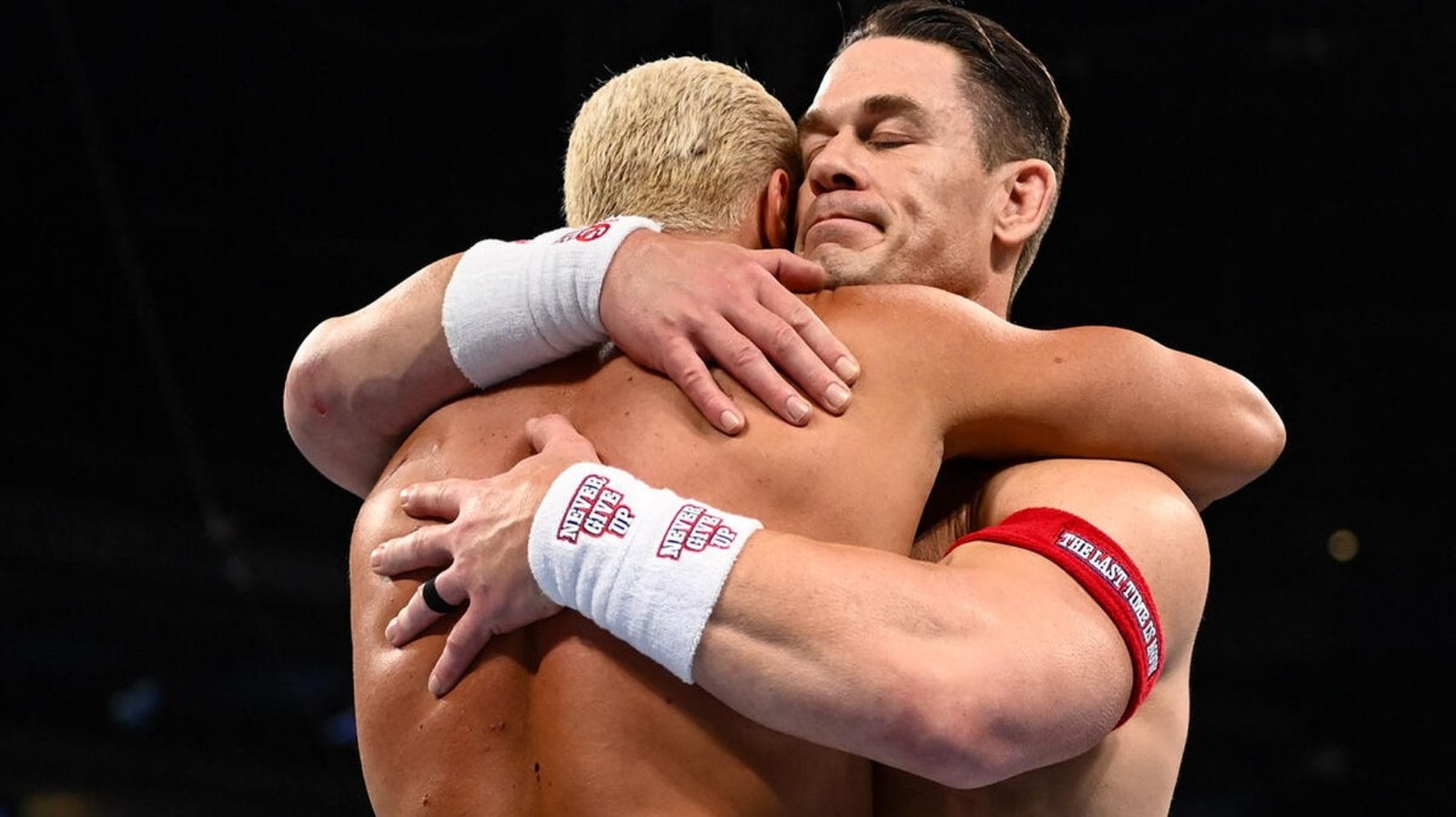
AJ Styles officially closed the book on his active wrestling career at the 2026 Royal Rumble. The veteran left the ring for the final time following a performance that underscored his elite technical consistency. While many fans questioned why he opted for the Rumble over a traditional swan song at a major spring premium live event, internal conversations suggest the move was a calculated decision to manage a lingering accumulation of wear and tear.
Styles has maintained a standard of excellence, but the physical reality of the sport remains unforgiving. His decision to retire in January, as Ringside News reported, was heavily influenced by the necessity of preserving his health for life outside the squared circle. The high-impact nature of his signature maneuvers, specifically the Styles Clash and the Phenomenal Forearm, places significant stress on the lumbar spine and shoulders over a multi-decade career.
Evaluating the recovery timeline
As of July 21, 2026, Styles remains in a period of extended physical recovery. Professional wrestlers at his level rarely walk away without significant inflammatory issues or structural degradation. While no specific acute injury forced his early exit, the cumulative impact of his final months on the road served as a final warning. He has avoided the clinical necessity of major surgical intervention, a victory for long-term mobility.
His transition away from active competition mirrors the strategic shifts seen in other veterans who prioritize quality of life. Unlike stars who attempt one final match until forced out by catastrophic injury, Styles utilized the Rumble to dictate the terms of his exit. This controlled departure is a rarity in a business where performers frequently chase the marquee match until their bodies break down under the spotlight.
Impact on the next generation
The industry is now dealing with the shift in mentorship following his exit. Styles has been vocal about the development of his son, Avery, recently noting in interviews like those outlined by Ringside News that the path to WWE is not a simple legacy handoff. He remains skeptical of the current training speed for developmental talent, stressing that technical readiness takes precedence over pedigree.
This philosophy highlights a growing divide between traditional developmental standards and the current speed of the main roster promotions. While WWE continues to cycle through talent at a rapid rate—evidenced by the booking fluctuations surrounding figures like Bron Breakker, whose Royal Rumble pivot was driven by fear of negative crowd reaction—Styles represent an era that valued gradual ascension. The lack of patience in modern creative booking risks producing performers who are physically prepared but lack the nuance required for long-term health.
The strategic cost of booking inconsistency
The decision to back away from a planned push for Breakker earlier this year reveals a lack of conviction in the company’s own creative direction. When leadership fails to commit to a story arc, it creates a vacuum that talent can struggle to fill. Styles chose to step away rather than participate in these cycles, suggesting that the current booking environment prioritizes optics over long-term athlete development.
The loss of an anchor like Styles creates a void in the locker room leadership. Young talent now has fewer veterans to lean on for guidance on managing the grind of a full-year touring schedule. Without these senior figures, the risk of burnout or preventable injury rises significantly. The training staff at the Performance Center faces a challenge in replicating this level of institutional wisdom.
His career ended with 0 major injuries occurring during his final bout, a testament to his tactical awareness. Even so, the history of this sport suggests that the true cost of a career like his emerges months or years after the final bell. He currently reports no active pain, preferring a quiet recovery period away from any training rings or coaching roles at this time.