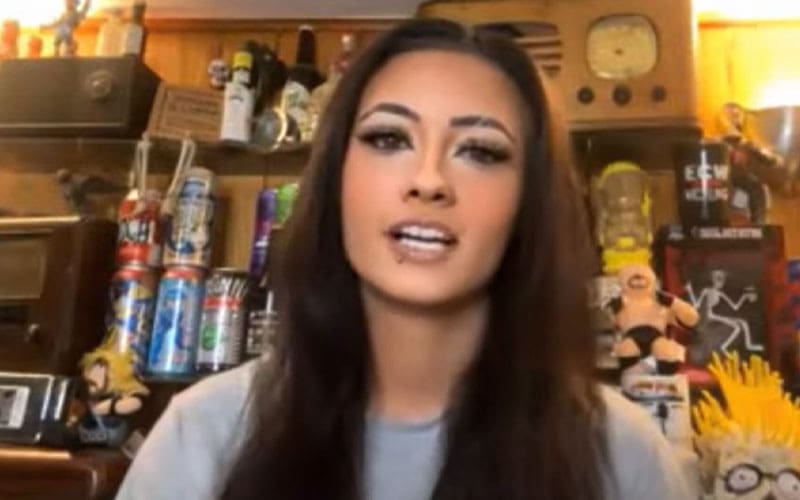
The fallout of the April releases
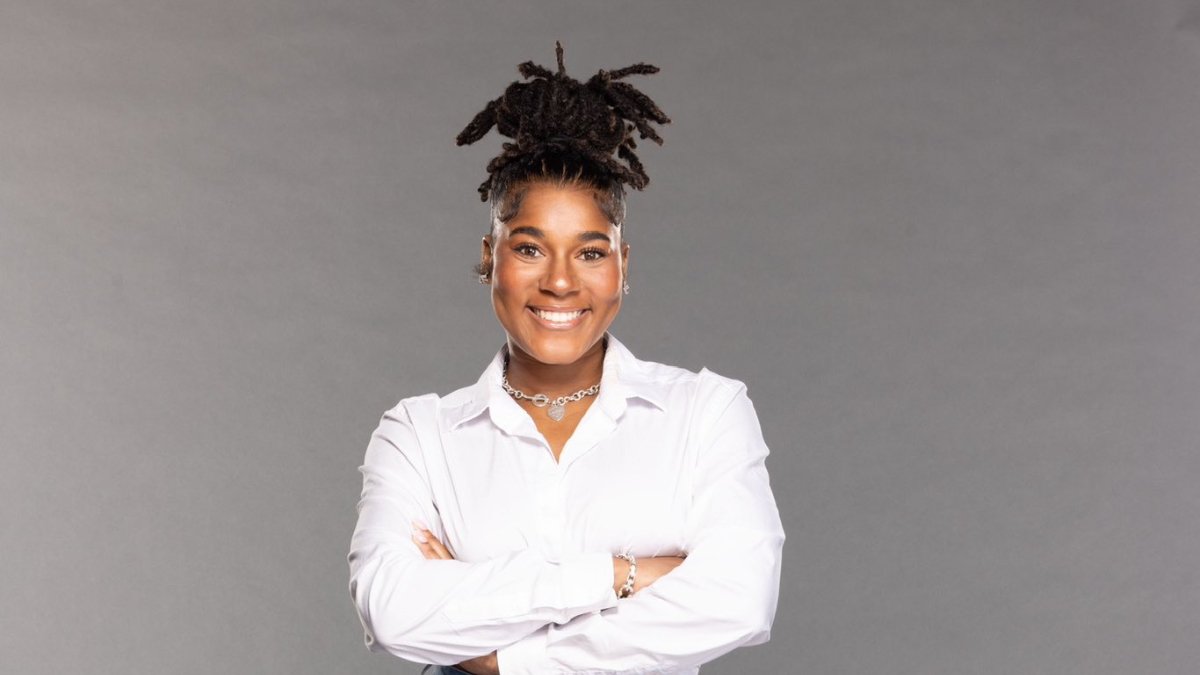
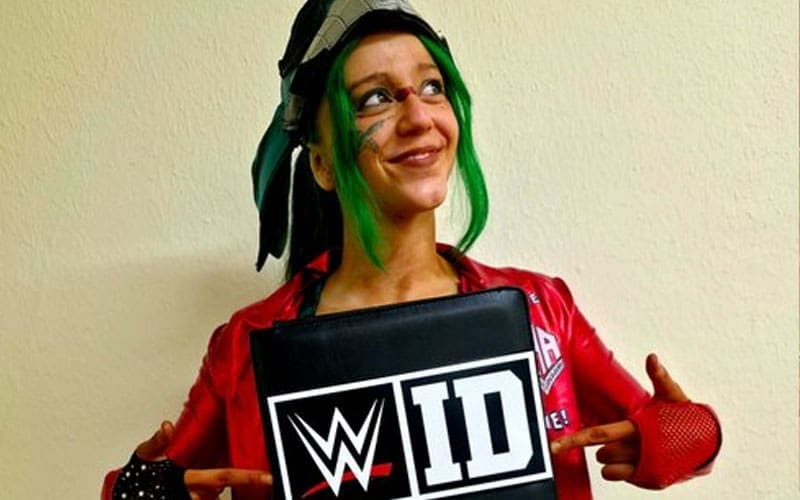
Aria Bennett, real name Ajiea Lea Hargrave, is officially back on the open market. Following the annual wave of departures in April, reports from WrestleTalk confirmed the release was final. Bennett signaled her transition away from the company via social media, marking a sharp pivot from her time under the WWE banner.
The circumstances of her departure come during a period of organizational rigidity. WWE President Nick Khan has stated flatly that the company refuses to fold to online pressure, noting that creative trajectories are locked to internal strategy rather than social media discourse. This philosophy often leaves mid-card talent in a state of suspended animation, struggling to find traction.
Why the independent scene is the next logical step
Bennett’s profile fits the mold of a high-ceiling talent who was squeezed out by a heavy roster. Her ability to connect with an audience was on full display throughout her development run, though her limited main roster exposure left many questions regarding her ceiling. The indie scene provides the reps that a structured corporate environment often stifles.
Consider the trajectory of peers who have successfully reinvented themselves after leaving Stamford. Wrestlers who exit without the typical 'non-compete' baggage often find themselves booked in high-profile spots within 60 days. Bennett possesses the technical fundamentals to work main events in promotions like TNA or GCW, where she can iterate on her character work without the oversight of a corporate committee.
The creative bottleneck
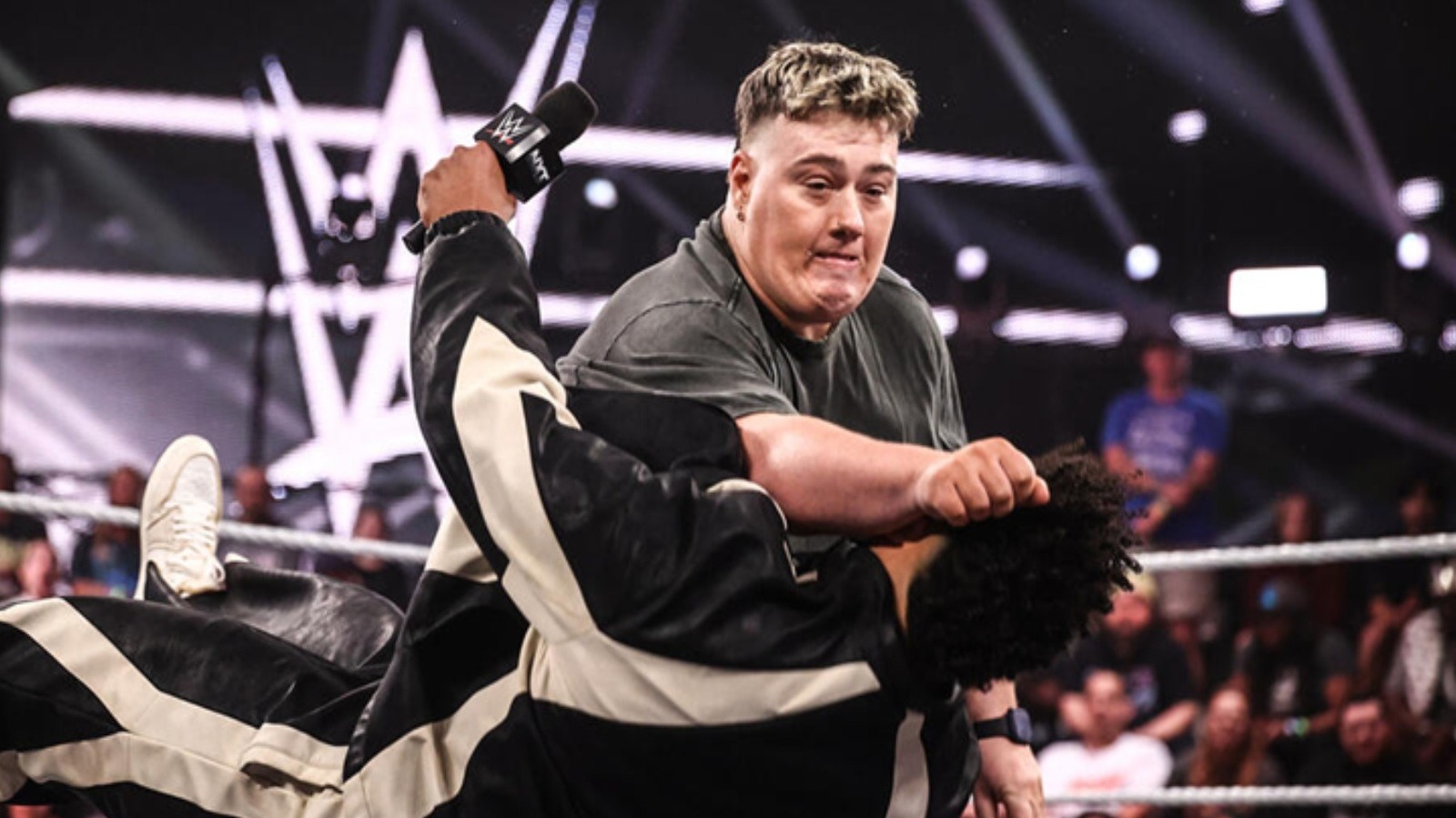
One critical observation regarding Bennett’s final months in WWE remains her lack of meaningful televised time. While peers like Sol Ruca have moved onto title pictures, as Wrestling Inc documented, the churn rate for developing talent has reached a fever pitch. Bennett was consistently booked in peripheral segments that offered little room for narrative growth.
Creative stagnation is the primary risk for performers leaving the WWE system. If Bennett simply replicates her previous style in a smaller promotion, she risks being labeled a 'former WWE hand' rather than a distinct creative force. She needs a fundamental reset of her in-ring persona to avoid the pitfalls of past releases who failed to shed their old skins.
Assessing the probability of a high-profile move
The market for female talent with national television experience remains historically high. Promotions are currently looking to add depth to their respective divisions ahead of the summer touring season. Bennett’s release timing—just before the busy August-September booking cycle—works heavily in her favor.
We can anticipate a series of appearances to materialize as soon as the standard notice periods conclude. Based on standard contract structures and recent industry reports, she is essentially ready to work. Expect her to land in a promotion that prioritizes work-rate over scripted promos, as her physical tools are far more developed than her mic work.
The bottom line
If Bennett targets a promotion like TNA or AEW, the impact is immediate. Injecting a hungry, motivated performer into a stagnant mid-card division forces incumbent wrestlers to improve their own offerings. The shift from a 'developmental' mindset to a 'professional' one is the single biggest upgrade she can make.
The potential failure point lies in her ability to headline. While she is a capable hand, moving into the top quarter of a roster requires charisma that hasn't been fully verified. If she can secure a 12-month exclusive deal with a promotion that gives her the ball, we will have our answer by the end of the year.
Expect an announcement regarding her next destination within the next 30 days. If she stays on the independent circuit for longer than 90 days, it suggests a lack of alignment on booking direction or financial terms. The industry is watching to see if she makes the jump effectively.