The Great Desert Bidding War
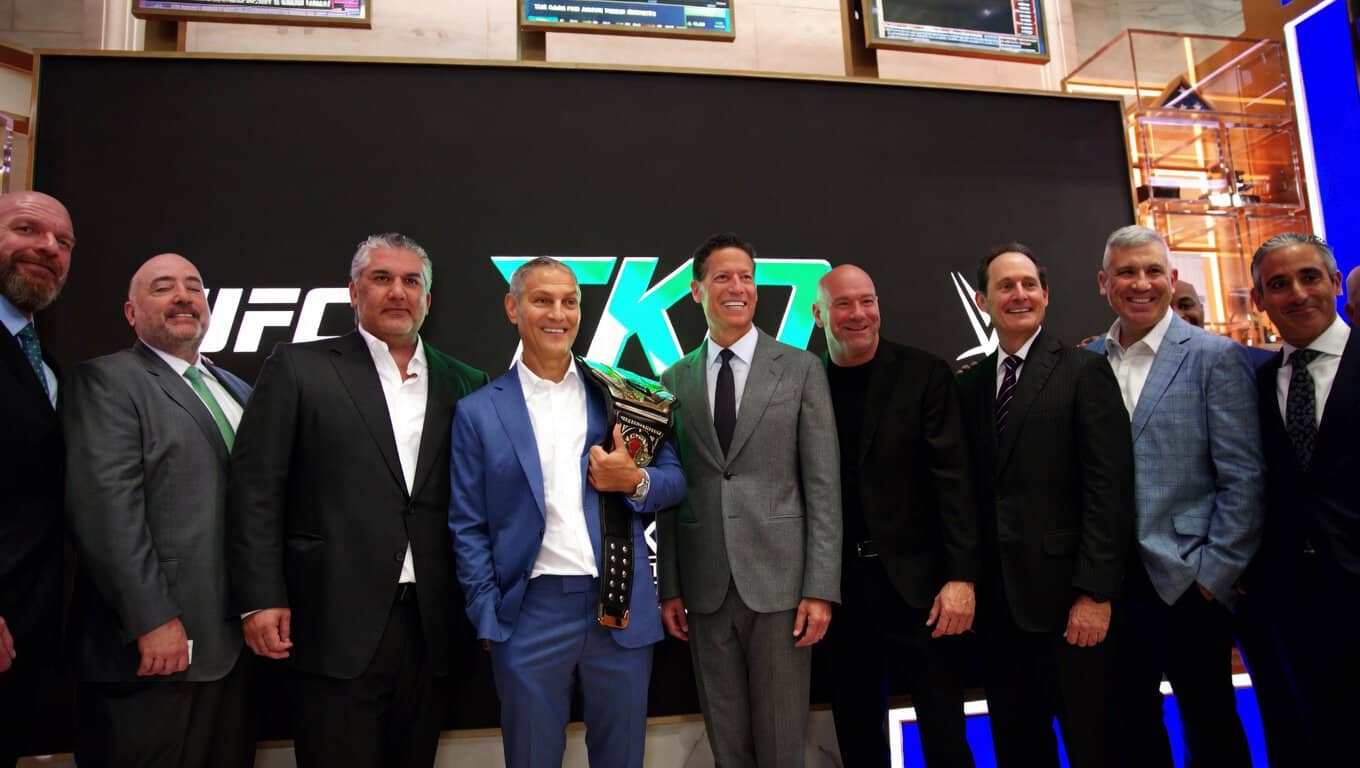
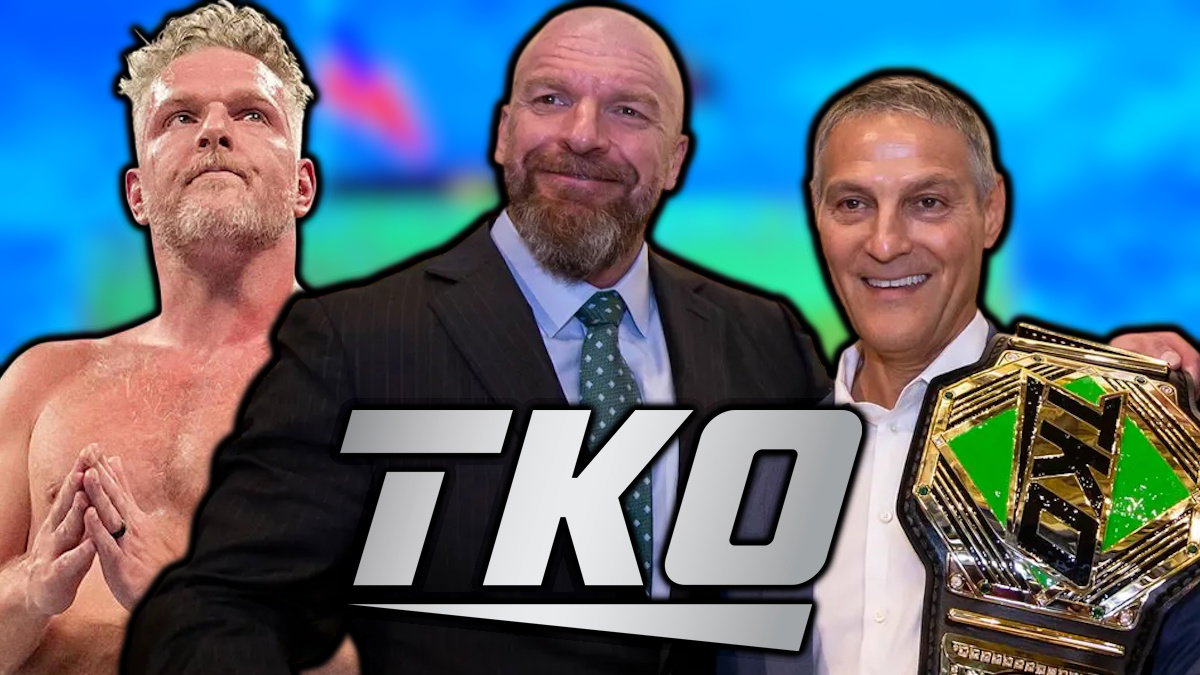
If you thought the corporate takeover of professional wrestling was going to slow down after the TKO merger, you clearly haven't been paying attention to Nick Khan's bank account. Yesterday's announcement that TKO Group Holdings secured a massive seven-event partnership with the Arizona Sports & Events Alliance is the final nail in the coffin for the 'old way' of doing business. We aren't just looking at a couple of house shows and a taping of SmackDown at the Footprint Center. We are looking at a three-year residency that basically turns Phoenix into the Western headquarters of sports entertainment and cage fighting.
This isn't about the fans in the nosebleeds; it's about the municipal checks that clear before the first bell even rings. For years, cities just expected WWE to show up because they had an arena and a pulse. Those days are deader than a jobber in a squash match against Bron Breakker. Now, if you want the Royal Rumble or a numbered UFC event, you have to bid for it like you’re trying to host the Olympics or the World Cup. Arizona just backed up the Brink’s truck, and honestly, it’s hard to blame them when you see the economic impact reports TKO keeps waving around like a championship belt.
The Nick Khan Playbook in Full Effect
Let's be real: Nick Khan is playing Monopoly while the rest of the industry is still trying to figure out how to set up a folding chair. By locking in seven events over three years, TKO is effectively removing the mystery of the 'road to' whatever event is next. We used to spend months speculating where the Rumble would land, hoping for a return to a classic venue or a surprise city. Now, it’s just another line item on a spreadsheet. This is the 'Vegas-ification' of the product. It’s shiny, it’s expensive, and it feels a little bit like it was designed by a committee of travel agents.
The deal reportedly includes a Royal Rumble, which we all know is the crown jewel of the non-Mania calendar. Arizona has a history here—anybody remember 2019 at Chase Field? Becky Lynch winning the Rumble after losing her title earlier in the night was a masterpiece of storytelling. But that felt like a special occasion. When you commit to seven events in one state, you risk the 'been there, done that' fatigue that usually kills a territory. If I’m a fan in the Pacific Northwest or the Carolinas, I’m looking at this deal and wondering if I’ll ever see a Big Five show again without having to sell a kidney for a flight to Sky Harbor.
The UFC and WWE Corporate Mashup
This isn't just a WWE win; it's a massive play for the UFC side of the house too. Arizona is a low-key combat sports hotbed. You’ve got guys like Sean O’Malley who basically treat Phoenix like their personal backyard. By bundling these events together, TKO is forcing a crossover that some fans are still resisting. They want you to buy the weekend pass. They want you at the UFC weigh-ins on Friday, the numbered MMA card on Saturday, and the WWE premium live event on Sunday. It’s an endurance test for your wallet and your liver.
But there’s a cynical side to this 'industrial glue' approach. When you package everything together, the individual identity of the shows starts to blur. Are we going to see a UFC fighter 'guest refereeing' a Cody Rhodes match just to justify the partnership? We’ve seen enough of that with Logan Paul—who, despite being incredible in the ring, still represents that 'outsider' energy that makes purists grind their teeth. The fear is that the product becomes a secondary concern to the 'activation' of the Arizona tourism board’s marketing plan.
Why This Might Actually Suck for Local Fans
Here is the part where I have to be the buzzkill. While the Arizona Sports & Events Alliance is popping champagne, the actual fan on the street is about to get squeezed. When a city pays a site fee, they want a return on that investment. That means higher ticket prices, 'dynamic pricing' that makes Ticketmaster look like a charity, and $18 beers that taste like lukewarm disappointment. We saw it with the prices for WrestleMania in Philadelphia, and you can bet the 2027 Royal Rumble in Phoenix will follow suit. The days of taking the family to a big show for a couple hundred bucks are over. This is high-stakes tourism now.
And what happens to the product? Look at the chaos we saw on Raw yesterday in Knoxville. Jacob Fatu basically demolished the Bloodline hierarchy, and the crowd was absolutely unglued. That happened in a 'standard' market. When you move these big events into a three-year corporate residency, you sometimes lose that organic, gritty energy. You get a crowd full of people who were gifted tickets by their tech company or tourists who just wanted to see 'the big show' while they were in town for a golf tournament. It’s the difference between a rowdy English football match and a Super Bowl crowd that spends half the time looking for the sushi bar.
The Shadow of AEW Double or Nothing
You can't talk about TKO locking down a major market without looking at the competition. AEW Double or Nothing is just 12 days away in Las Vegas. Tony Khan has basically planted his flag in Vegas for that event, making it a destination weekend. TKO’s move in Arizona feels like a direct response—a way to say, 'Oh, you have one weekend in Vegas? We own the entire desert for the next three years.' It’s a territorial war fought with spreadsheets instead of barbed wire bats, but the intent is the same: total market dominance.
The problem is that AEW still feels like it belongs to the fans, even when it’s messy. TKO feels like it belongs to the shareholders. When I see a seven-event deal, I don't think about five-star matches; I think about quarterly earnings calls. I think about Ari Emanuel talking about 'efficiencies' while we’re all just trying to see if Roman Reigns can actually survive the Fatu onslaught. There is a coldness to this deal that is hard to ignore, even if the matches themselves end up being legendary.
This is high-stakes tourism. The days of taking the family to a big show for a couple hundred bucks are over.
If you're a wrestling fan living in Scottsdale, congratulations, you're about to be the center of the universe. For the rest of us, this deal is a warning shot. The 'traditional' tour is dying. If your city isn't willing to pony up a few million dollars in 'incentives,' you might as well get used to watching everything on a screen. It’s a brave new world, but I’m not sure I like the ticket prices in it. TKO is winning the business war by a landslide, but let's hope they don't forget that the heart of the business is still a bunch of sweaty people in a dark room screaming their heads off—not just a line item on a city council's budget.
The real test will be the first big show under this deal. If they come out and give us a generic, 'safe' stadium show that feels like every other corporate event, the fans will smell it. We want the chaos of Knoxville; we want the high stakes of a Cody Rhodes title defense. We don't want a three-year infomercial for the Arizona Sunbelt. TKO has the bag; now they better make sure they don't lose the soul of the sport in the process.