The forced retirement narrative
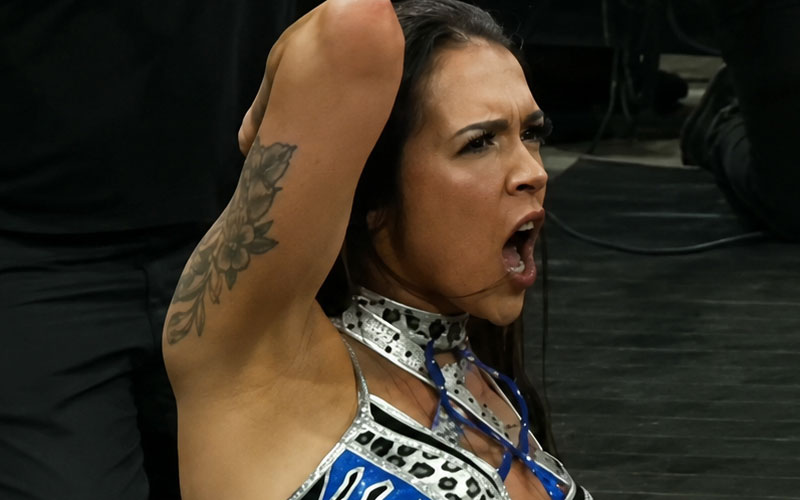
Ash By Elegance surfaced on the independent circuit and TNA broadcasts recently to discuss her removal from active competition. According to WrestleTalk, the performer was sidelined in September 2025. She described the period as being forced into retirement before mounting a comeback four months later.
The timeline suggests a sudden departure mid-contract or a creative pivot that masqueraded as a health crisis. Calling an active athlete retired only to bring them back within a fiscal quarter creates a narrative whiplash that hurts viewer trust. It highlights a lack of internal clarity regarding how talent availability is communicated to the audience.
The return and the road ahead
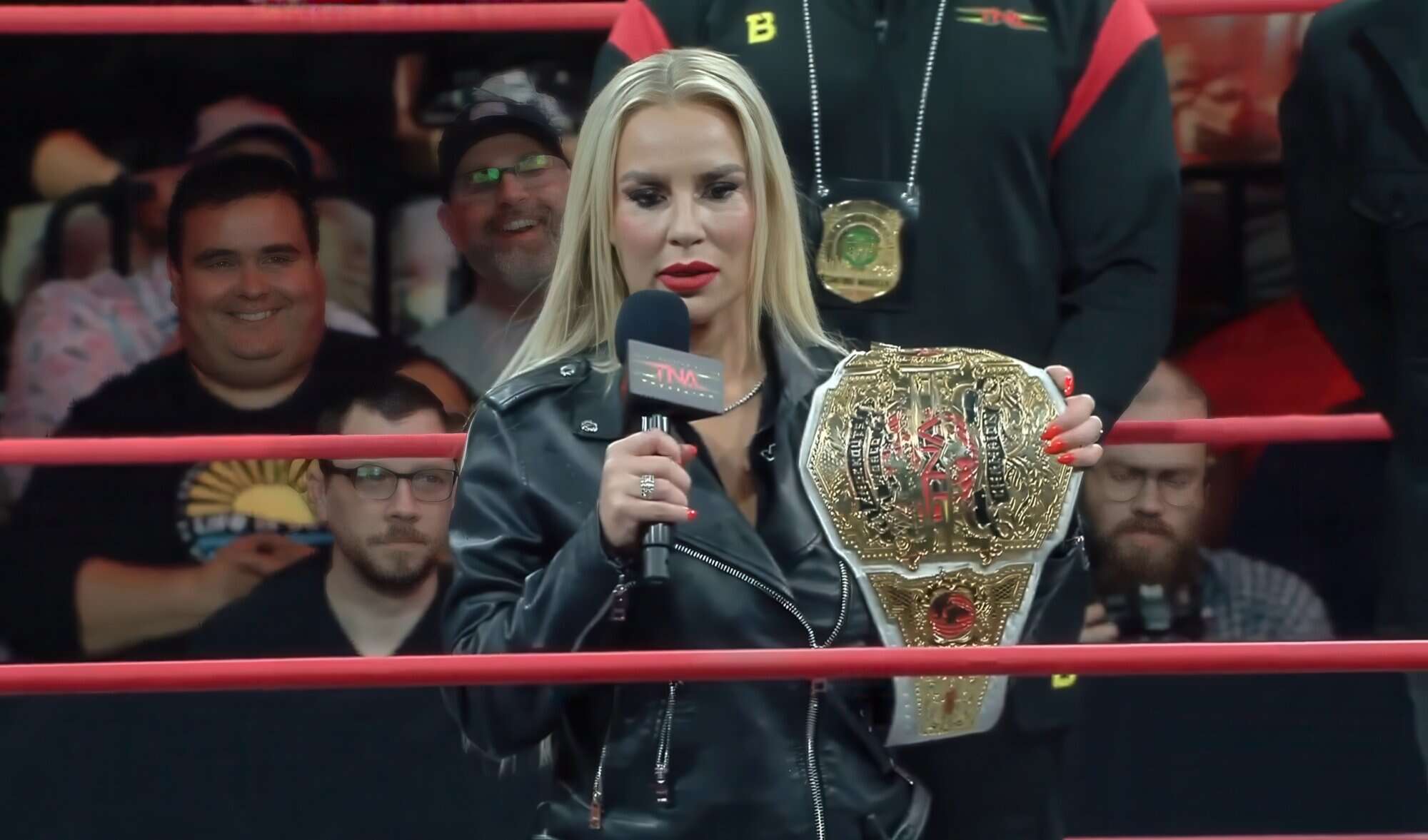
By January 2026, Elegance had resumed in-ring responsibilities. Her stated goal is now the TNA Knockouts World Title. Returning to the main event picture after a four-month absence without a clear bridge between the injury angle and her current contender status is a booking error.
Matches involving Elegance now lack the urgency of her pre-September form because the audience has been conditioned to treat her availability as fluid rather than guaranteed. If her initial retirement was legitimized by the promotion, the rapid turnaround makes that original framing feel like an amateur oversight. It undermines the seriousness of real injuries that occur in the locker room, such as those that frequently alter the course of NXT events like the latest Stand & Deliver.
Industry impact and broader context
Promotions frequently lean on retirement angles to generate short-term heat or hide talent departures, but it rarely survives a three-month window. We see this in major organizations where the line between a work and a shoot injury becomes blurred. When the return is handled without a medical anchor, the fan base tunes out the next time a performer is sidelined.
The TNA creative team needs to show, not tell, the physical toll of her time away. Relying on the phrase forced into retirement without specific medical descriptors provides no stakes for her current run. Compare this to the high-stakes environment of WrestleMania, where performers maintain constant narratives throughout the build.
The cost of sloppy booking
The TNA Knockouts division suffers when the championship trajectory is dictated by inconsistent status reports. A performer attempting to win back a title they occupied prior to an unexplained exit should have a clear physical or story-based hurdle to overcome. Excluding that narrative leaves a void.
Instead of a compelling comeback, we are left with a reset button. A return date without a specific recovery milestone is just poor planning. If Elegance is truly cleared, the focus should remain solely on her output in the ring rather than explaining away a September incident that the company failed to contextualize properly. She is currently active, but the company’s inability to settle on a version of events remains a recurring problem for TNA’s front office.
There is also the matter of distraction. With viral moments like the Lola Vice victory celebration dominating the social conversation for competitors like NXT, mid-card stories need to be leaner and more factual. Elegance has the technical skill to anchor the division, but she deserves better creative support than a recycled retirement claim that expired before it even reached the main event screen. The management team must ensure future injury reports are handled with medical transparency rather than theatrical vagueness.