The candid reality of Big E's post-wrestling chapter
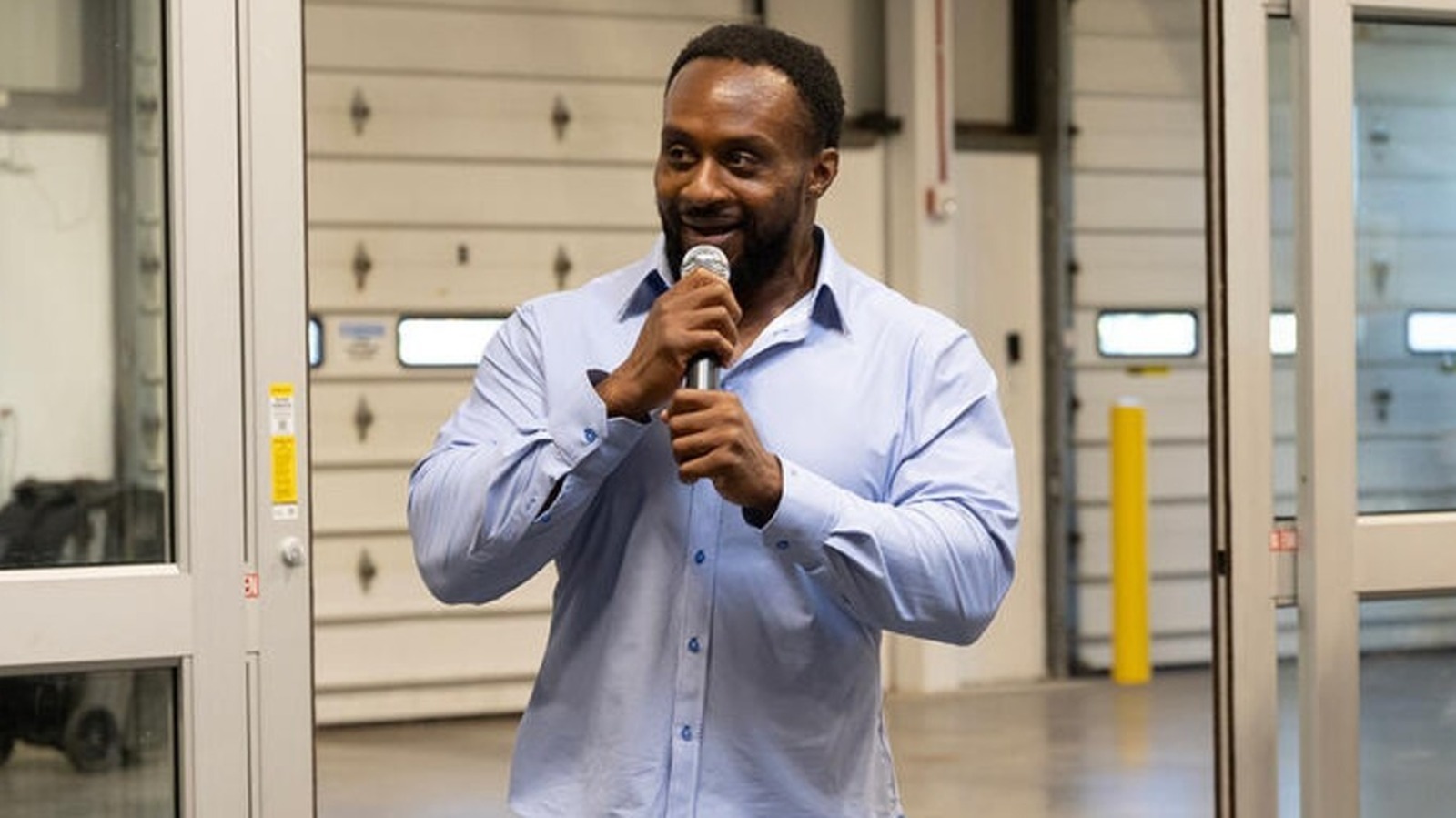
Former WWE Champion Big E has officially announced a new project that pushes beyond the squared circle. The multi-time tag team titleholder and heavyweight champion is writing an autobiography. The book intends to document his rise through the professional wrestling ranks alongside his personal battle with depression.
The announcement arrives as fans continue to track his long-term recovery following a neck injury sustained on an episode of SmackDown in March 2022. Big E has remained a visible presence in the industry, appearing on kickoff shows and panel discussions, but this book marks his first deep dive into the internal toll of his career.
Defining a career beyond the ring
The manuscript promises a raw look at the transition from being a top-tier roster member to finding life after a career-altering injury. Fans often see the highlight reels of his work with The New Day—the multiple tag team championships and the WWE title run—but few understand the mental fatigue that accompanies life on the road and the subsequent silence following a sudden retirement from active competition.
I am looking forward to sharing my story, including the highs, lows, and everything in between.
The sentiment highlights a common reality for wrestlers in the modern era. When the music stops, the identity crisis often begins. By focusing on his mental health struggles, Big E joins the ranks of high-profile performers like Mick Foley or Jon Moxley who have utilized the written word to deconstruct the myths behind the character.
The industry's shifting narrative on mental health
This project arrives at a moment where locker room culture is actively shifting. Industry standards for how companies manage long-term recovery and mental health have been under the microscope for years. As reported by Wrestling Inc, this work aims to pull back the curtain on the industry's often glossed-over realities.
It is worth noting that Big E remains under contract in a non-wrestling capacity, maintaining a rare level of goodwill with the company. Unlike many former stars who pen books to settle scores or burn bridges, his approach appears focused on personal growth. This is a departure from the typical tell-all genre. It feels more like a guide for current performers dealing with sudden career departures.
Critique and industry implications
The challenge for any wrestler-turned-author is sustaining interest beyond the core audience. If this book centers solely on the internal experience of recovery, it may lack the broader market appeal necessary for commercial success. Readers outside of the wrestling bubble may find the terminology or the specific arena anecdotes inaccessible. A successful autobiography needs to bridge the gap between the character and the human.
Moreover, the publishing timeline brings up a specific point about his future role in the sport. If he is spending this much time reflecting on his past, it underscores that a return to the ring is likely off the table for the foreseeable future. The medical risks involved with his C1 and C6 fractures are well-documented, but seeing the focus shift to his legacy indicates a final acceptance of this new reality.
This is a strategic move from one of the most charismatic personalities in recent memory. By controlling his narrative after such a public injury, he avoids the speculation cycle that typically plagues retired stars. The industry is watching to see if this pivot to long-form storytelling becomes a new benchmark for other stars currently battling physical or emotional barriers to their own success.
Ultimately, the industry benefits when top-tier performers normalize the conversation around mental health. We have seen a spike in athletes speaking openly about burnout since 2024. If Big E can bring that same infectious intensity he showed in his promo work to the page, this will likely be the most significant non-fiction release of the year. The writing process is currently underway, though no official release date has been confirmed.