The cost of high-intensity performance
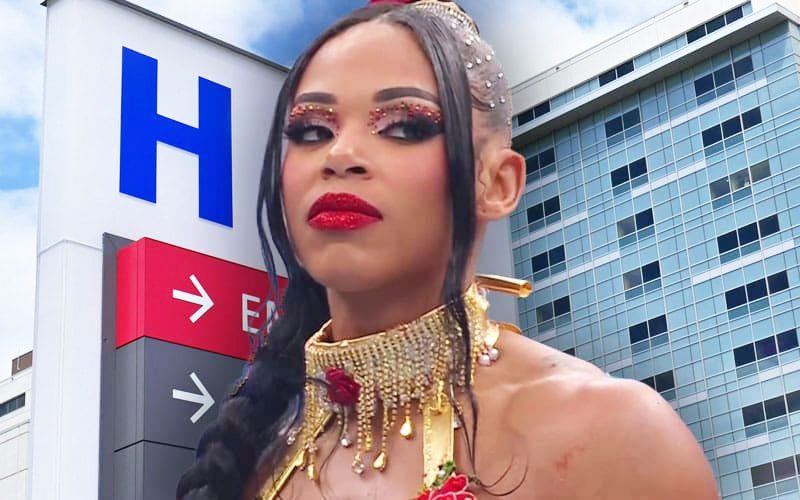
Billie Starkz, widely considered one of the hardest-working young athletes in the promotion, has been pulled from upcoming live events due to a lower-body injury. Medical staff confirmed the issue relates to recurring stress in her ankle, an aggravation that became unmanageable following recent high-profile appearances. The injury was identified shortly after her high-stakes match with Mercedes Moné.
While Starkz has become a fixture of the weekly rotation, her schedule has been punishing. She has maintained a pace that few veterans would attempt, moving from indy dates to televised matches with minimal downtime. The physical toll of the Moné match served as a turning point, where the intensity of the performance exacerbated pre-existing fatigue.
Timeline and recovery path
Starkz is currently undergoing a strict rehabilitation protocol that prioritizes stability over speed. Team medical staff have not provided a definitive return date, though internal signals suggest a timeline of 4-6 weeks for full clearance. This keeps her out of the immediate summer booking rotation as the promotion gears up for several marquee stadium events.
History offers a cautionary tale regarding ankle injuries in professional wrestling. When athletes rush back from soft-tissue or stress-related issues, the probability of a chronic repeat injury rises. If Starkz is force-fed back into the lineup, she risks a long-term setback that could alter her development trajectory during this critical growth phase.
Strategic fallout
The absence shifts the creative burden in the mid-card talent bracket. Starkz had been effectively used as a gatekeeper, working with established stars like Moné to bridge the gap between prospects and potential challengers. Without her availability, the booking committee must now pivot, likely elevating less experienced talent into spots they might not be ready to handle.
Competitors viewing this gap see an opening. In a business where presence equals opportunity, this sidelined period creates a vacuum. Others in the locker room will be looking to capitalize on her time away to claim key positions on the card. The promotion's decision to rest her now indicates a shift in how they view their younger assets, prioritizing long-term durability over the short-term benefit of a single match.
Learning from the elite
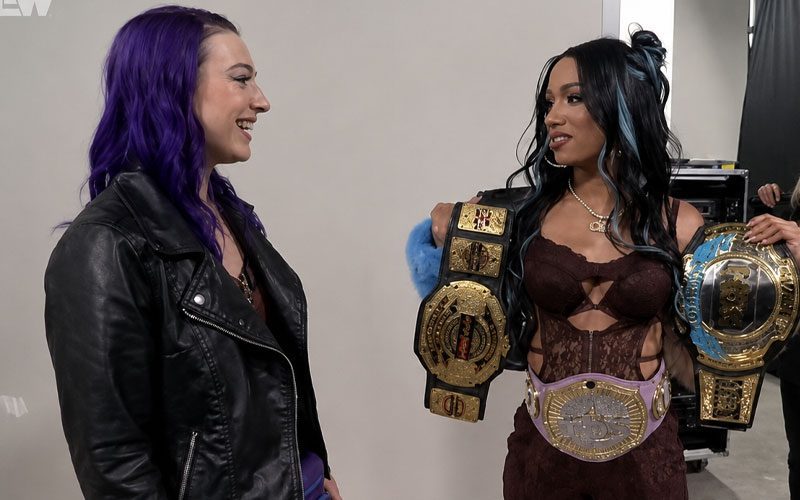
Starkz’s recent work, specifically the session where Billie Starkz Says Mercedes Moné Match Taught Her A Lot, highlighted the technical leaps she has made. That single performance against Moné was the blueprint she needs to follow upon her return. However, the physical reality of the sport remains unforgiving to those who do not allow for recovery.
Criticism exists regarding the utilization of such prospects without mandatory rest windows built into their contracts. While the industry thrives on momentum, the current booking frequency is testing the endurance threshold of younger performers. If the training load is not better managed, the company faces a recurring issue with talent availability that will ultimately hollow out the depth of the roster.
- Injury: Lower-body stress/ankle fatigue.
- Rehab phase: Active recovery, zero-impact training.
- Status: Indefinite removal from active wrestling calendar.
- Goal: Return to ring shape pending medical clearance.
As the company evaluates their next round of talent acquisitions, the health status of their current core remains the top priority. Starkz’s injury serves as a reminder that even the most promising stars are not immune to the rigors of the ring. Ensuring her return is handled with caution is the only logical step for a promotion that relies on her talent for the next decade.