Gunn shifts focus to the producer role
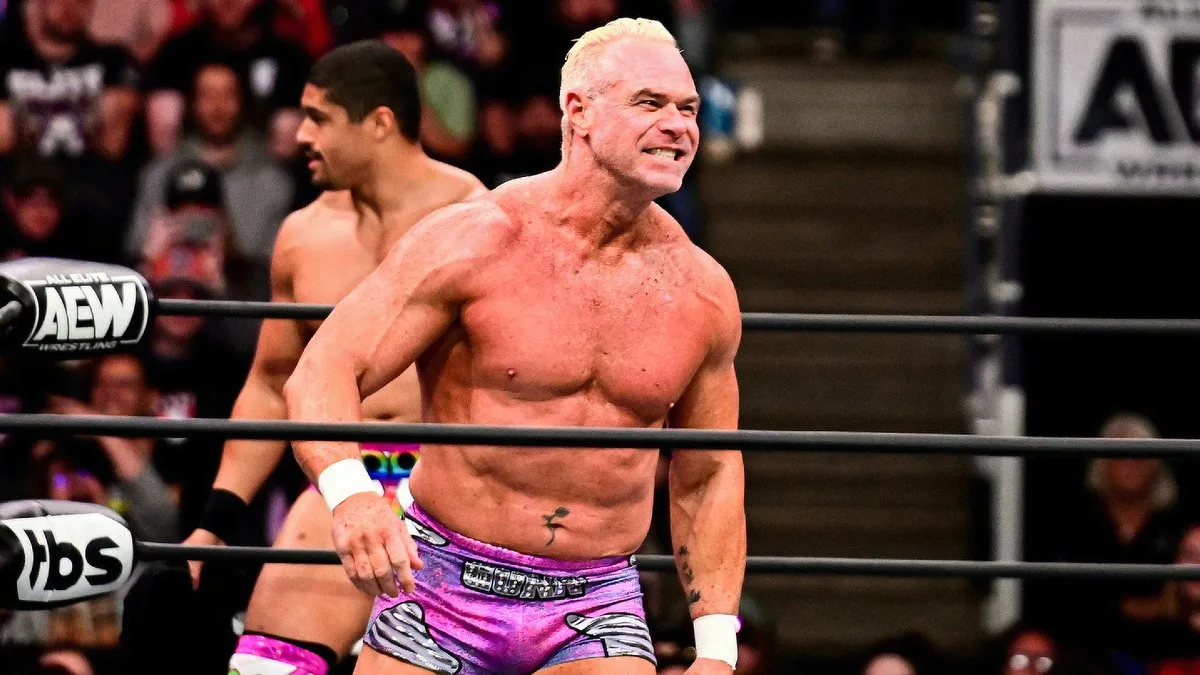
Billy Gunn has stepped into a significant backstage capacity for the newly revived Maple Leaf Pro Wrestling. As the promotion searches for a foothold in the competitive television space, Gunn is leveraging his decades of experience to guide talent. He is not just appearing on camera but actively shaping the flow of the product.
Gunn described his transition from the ring to the Gorilla position as a necessary evolution for the locker room. His focus remains on translating the chaotic energy of live TV into coherent matches that satisfy both modern audiences and long-time viewers. The veteran noted he spends most of his hours mapping out sequences and preventing the kind of pacing issues that plague newer product.
I have been around the block a few times now. My goal is to make sure these guys don't make the same mistakes I made in the nineties.
The transition is timely given the recent July 15 broadcast of Mayhem, which showcased a mix of seasoned veterans like Rhino and technical masters like Jonathan Gresham. Having a steady hand in the back is a priority when the roster is this volatile. The show's mechanics require a delicate balance between high-work-rate encounters and character-driven segments.
The Mayhem television product hits the ground running
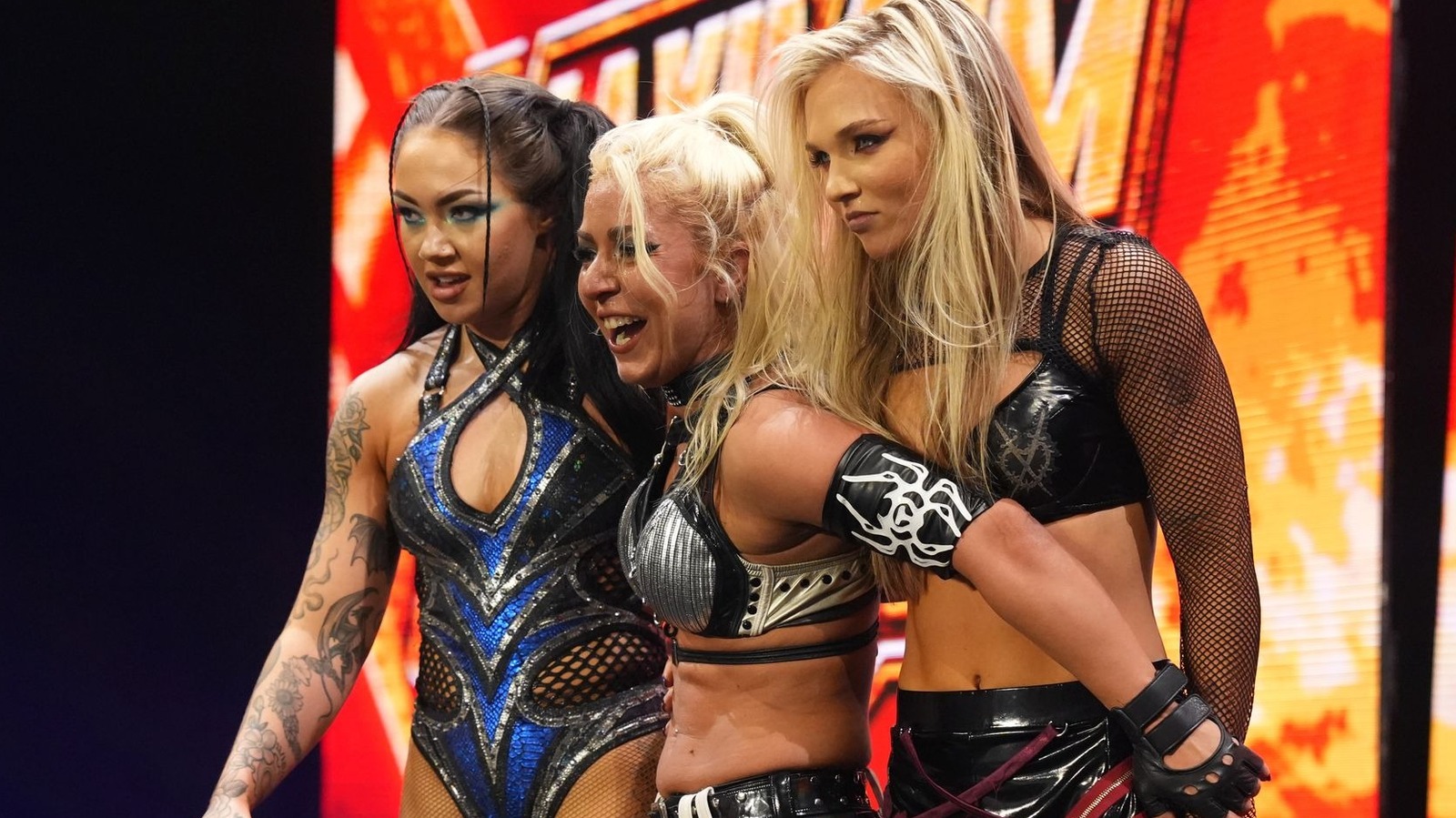
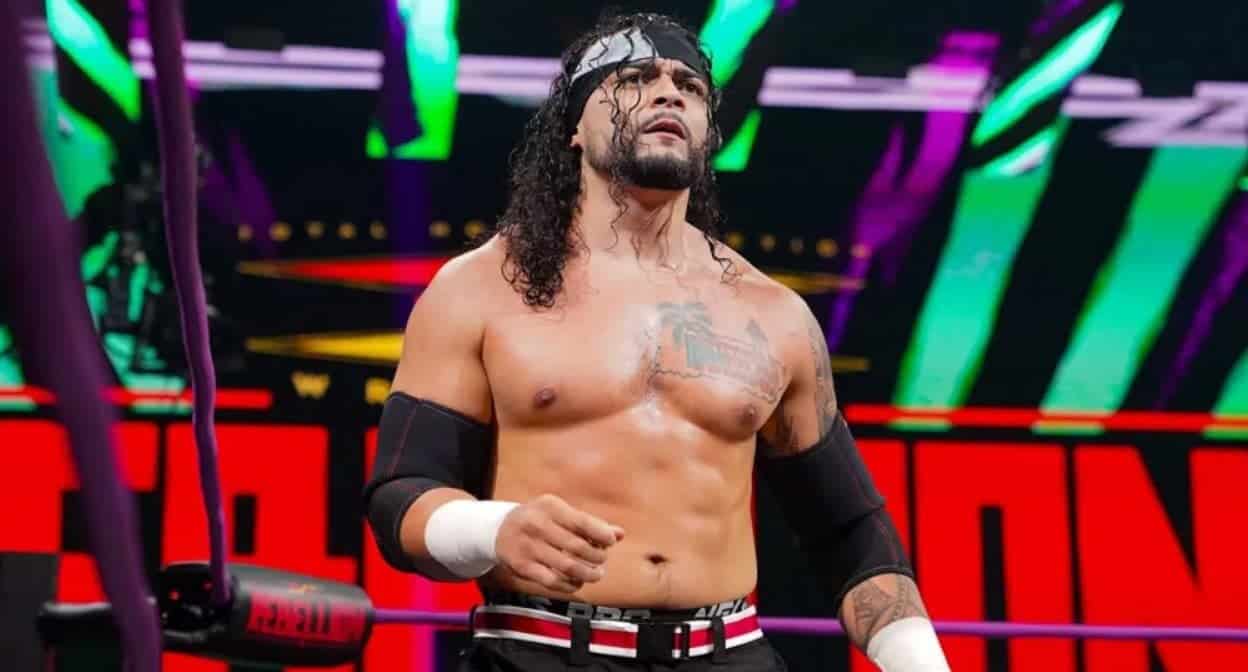
The July 15 episode served as a clear indicator of how the promotion intends to balance different fighting styles. Stu Grayson went to war with Jonathan Gresham in a contest defined by technical precision and chain wrestling. It stood in stark contrast to Gisele Shaw and Alisha Crowley, whose bout prioritized opportunistic strikes and physical aggression.
The execution of these matches suggests a concerted effort to establish a distinct brand identity. By placing technical experts against brawlers, the promotion avoids the trap of repetitive booking. However, the pacing of the broadcast on TSN2 felt cramped at times, leaving little room for the post-match narratives to breathe before heading to the next segment.
Critics might point to the reliance on names that have cycled through multiple promotions as a potential weakness. Relying on established veterans like Rhino to anchor the show might provide initial name recognition but risks alienating fans looking for fresh, homegrown stars. The promotion must determine how quickly it can push its own pipeline of talent without losing a reliable floor for viewership.
Managing expectations in an era of betting lines
The conversation around how live entertainment functions in the current media cycle is evolving. As noted in recent industry reporting, fans are becoming increasingly sophisticated regarding how pre-determined betting odds play into the visibility of a promotion. Maple Leaf Pro is operating in an environment where even casual viewers understand the architecture of a finish.
This awareness doesn't ruin the product; it changes the criteria for success. If the audience knows a result is scripted, they prioritize the quality of the struggle and the logic of the story rather than just the win-loss record. Gunn's role is precisely to ensure that logic remains consistent even when the betting markets might suggest otherwise.
The promotional machine is clearly working, but the long-term viability depends on whether the in-ring performance matches the ambition of the broadcast production. A total of 3 matches of note anchored the last episode, each reflecting a specific philosophy. If they can keep this momentum without burning out their top-tier talent, they may have a sustainable path forward.
Defining the product identity
The mix of Canadian wrestling heritage and a modern, high-speed presentation offers a unique angle. It attempts to bridge the gap between the classic territorial grit and the sleek, commercialized output expected of a successful cable presence. Whether this hybrid model can scale remains the main question for executives.
Gunn is betting on the idea that sound fundamentals eventually win out over style. By prioritizing the structure of the matches over the flash of the entrances, he creates a product that feels grounded. It is a cynical but effective play to build loyalty among the core wrestling audience that has been starved for consistent, non-gimmick-heavy content.
The current television window is narrow. With competition for eyeballs reaching a 2026 record high, every minute of airtime must justify its existence. The production team is already learning that high-speed transitions on TV do not always equate to better engagement. Streamlining the segments will be the defining challenge for the rest of the quarter.
The reliance on established stars is not necessarily a failure of imagination, but it is a safety net. Eventually, the promotion must show it can sustain itself without bringing in outside veterans to prop up the middle of the card. Watching how Gunn mentors the younger talent will be the real gauge of whether this project is built for the long haul.