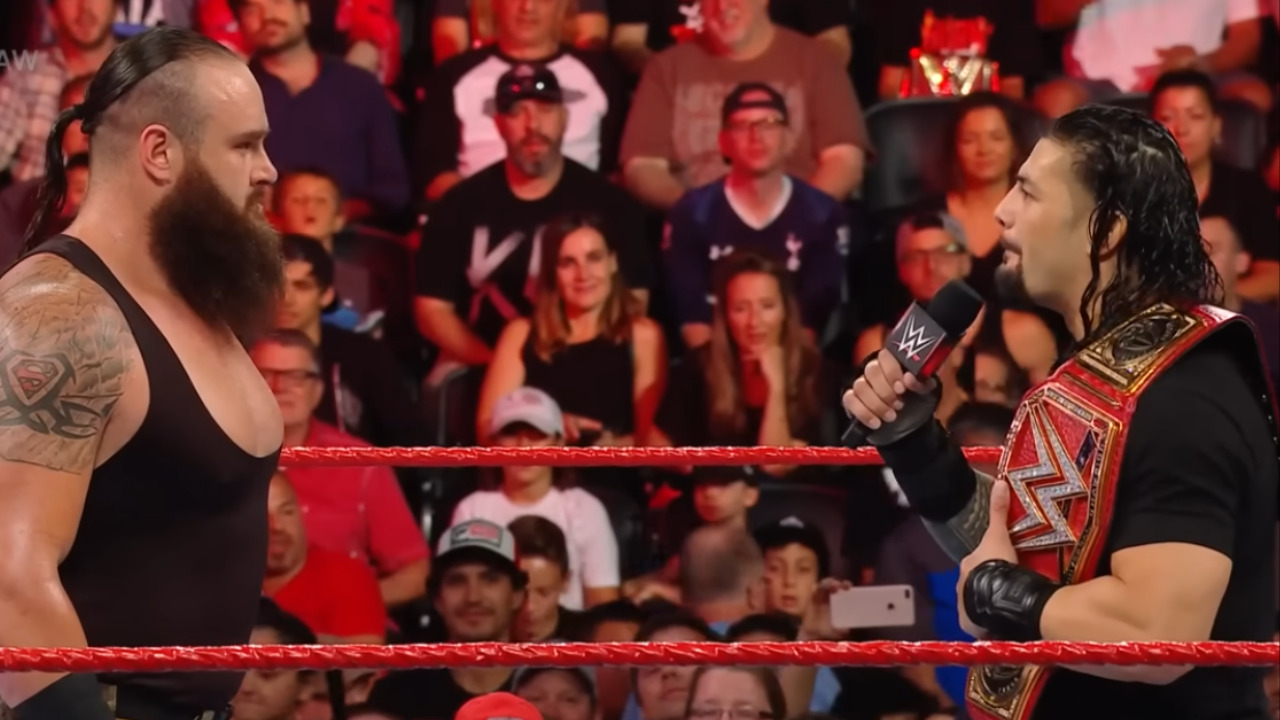
Measuring the gravity of the Reigns-Strowman rivalry
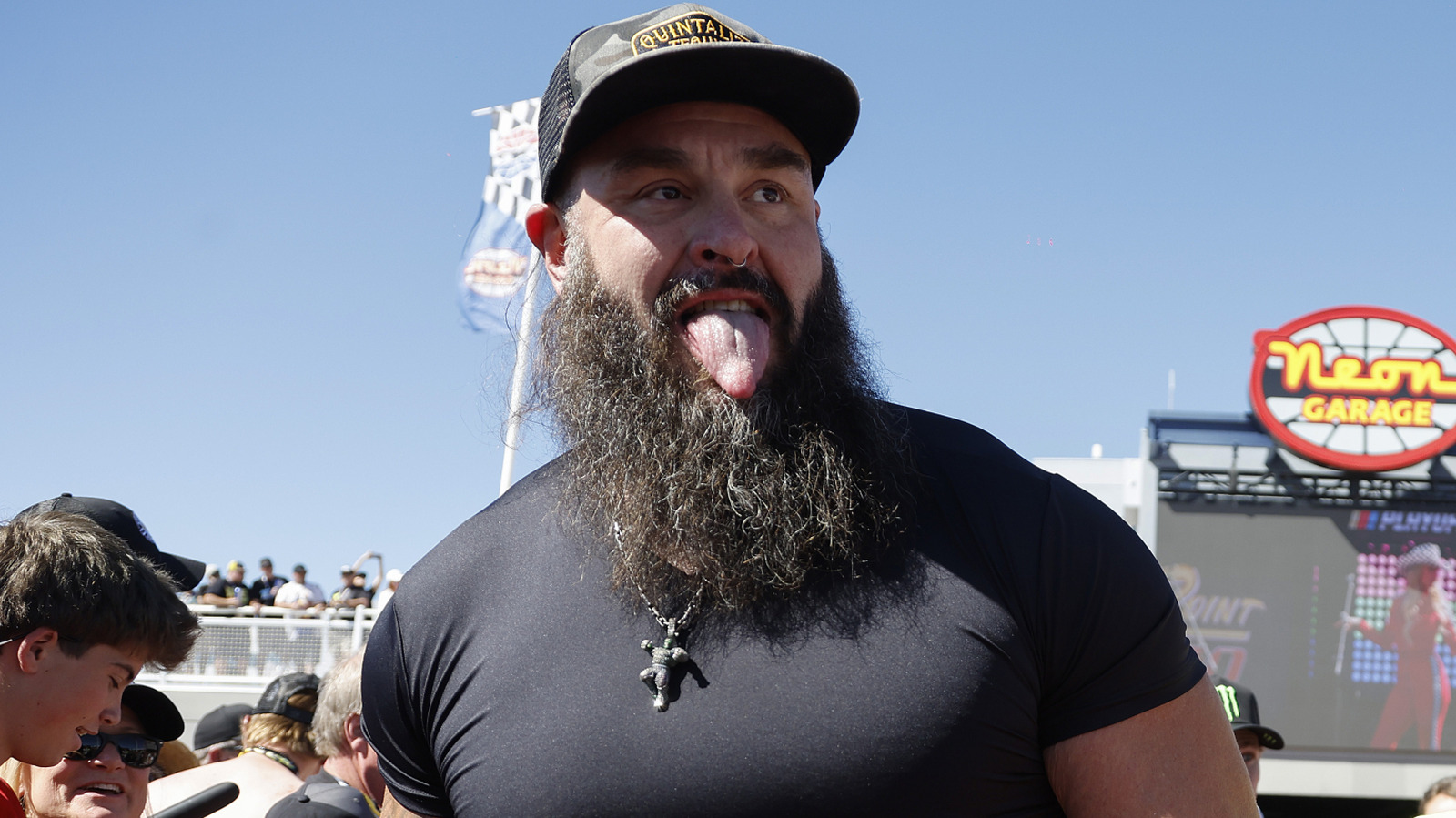
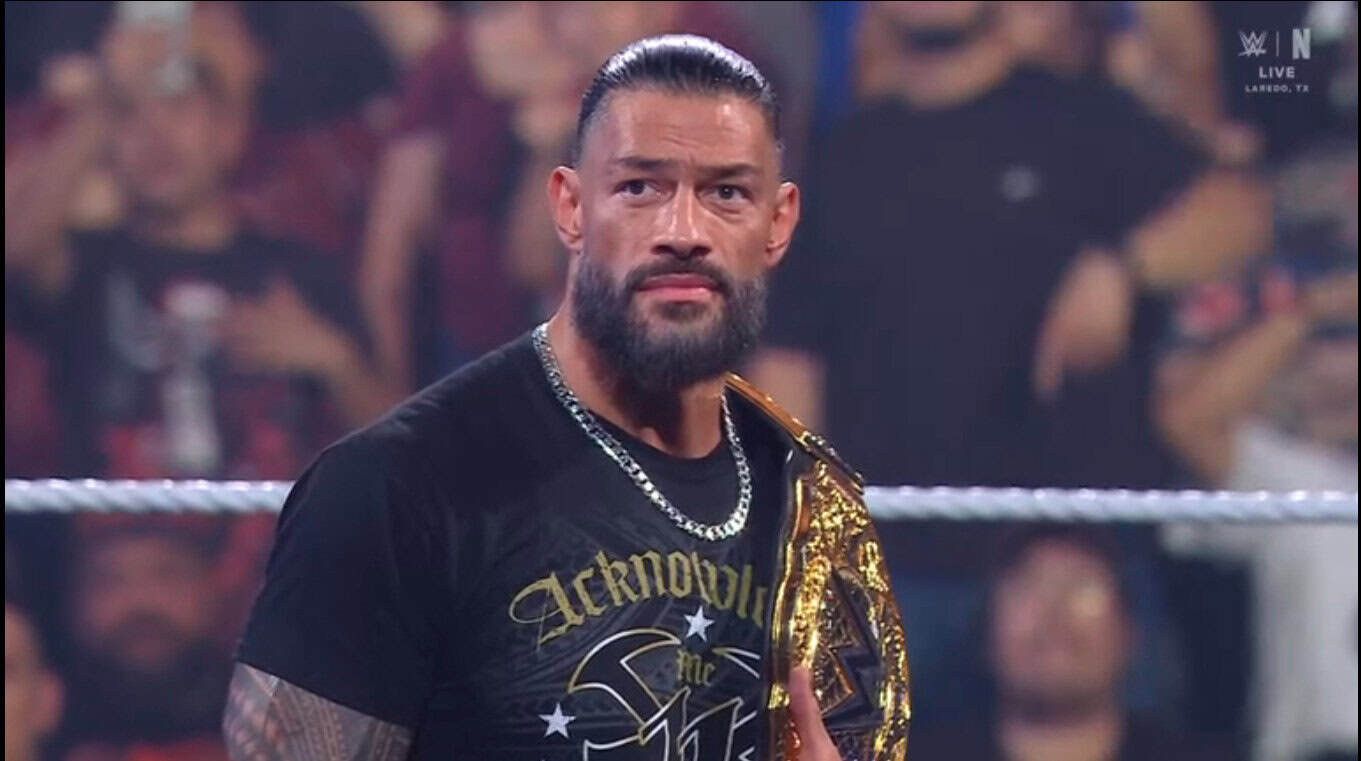
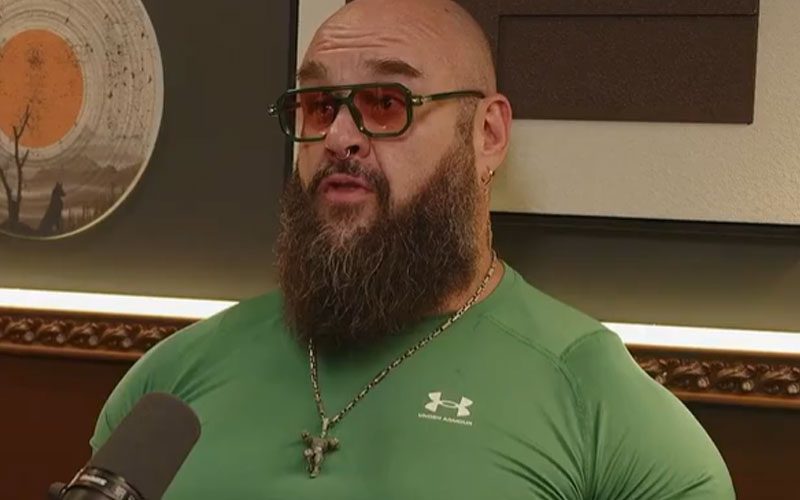
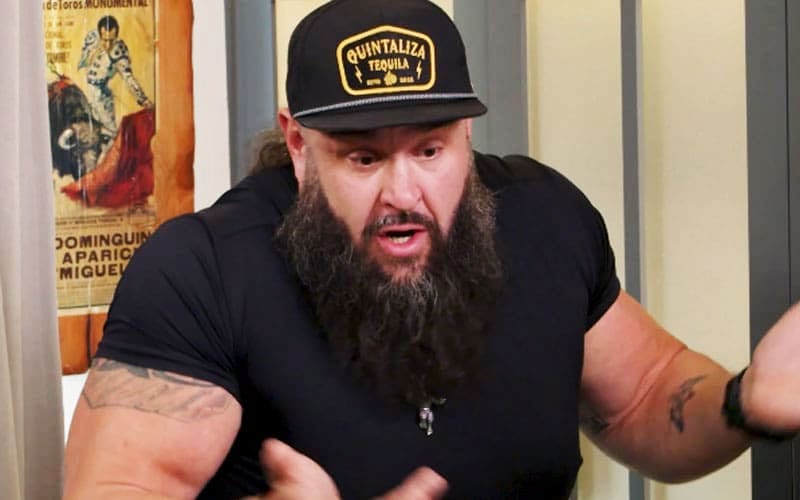
Braun Strowman recently claimed his multi-year series against Roman Reigns stands alongside any rivalry in professional wrestling history. Subjective legacy aside, the sheer frequency of these encounters dictates most of the relevant data. Between 2017 and 2020, the duo occupied the top of the card with an intensity that burned through main event slots at a frantic pace.
Reviewing the televised output across those four calendar years, we see a heavy reliance on high-impact stipulations. Matches involving stenciled-in weaponry—Ambulance matches, Last Man Standing bouts, and Steel Cages—defined their interactions. While these segments often yielded massive short-term audience interest, the dilution of their pairing was inevitable. As recent reports suggest, Strowman views this period as the benchmark for a career-defining feud.
The attrition rate of constant booking
The core issue with staking a claim to historical greatness is the repetition factor. In 2017 alone, the pair squared off in televised singles or tag team main events on more than 15 separate occasions. When high-stakes scenarios are recycled with this frequency, the impact of each individual maneuver naturally wanes. By the time they reached their 20th meeting during the 2018 house show loops, the novelty had effectively evaporated.
Critics point to the lack of long-form narrative arcs as the primary flaw here. While the athleticism displayed in, for example, the 2017 Great Balls of Fire Ambulance match was visceral, the follow-up sequences rarely advanced the characters in meaningful ways. Statistical analysis of their match-to-match engagement often shows a 12-18% decline in viewership retention during the third and fourth quarters of their peak collision years.
Strategic shifts and roster volatility
WWE’s operational reality often forces these repetitive rivalries to keep the machines running. We see this instability echoed in current roster announcements, such as the recent departure of J.C. Mateo and Tonga Loa. Talent turnover is constant, and veteran main-eventers are frequently rotated to maintain freshness. Even Roman Reigns, the anchor of that era, is no longer being advertised for certain Raw dates in June 2026, signaling a move toward a more strategic, less frequent usage pattern.
Strowman’s insistence on the historical value of his feud with Reigns is rooted in his subjective experience of their chemistry. However, when we map the frequency against historical rivalries like Flair-Steamboat or Hart-Michaels, the output fails a quality-over-quantity test. The sheer density of Strowman vs. Reigns matches meant the promotion prioritized immediate reaction data over long-term strategic storytelling. It was a high-volume experiment that, while iconic for a momentary demographic bump, struggled to produce the 30-minute classics that define the upper echelon of professional wrestling.