Braun Strowman's merchandise battle shows how WWE stifles its own stars
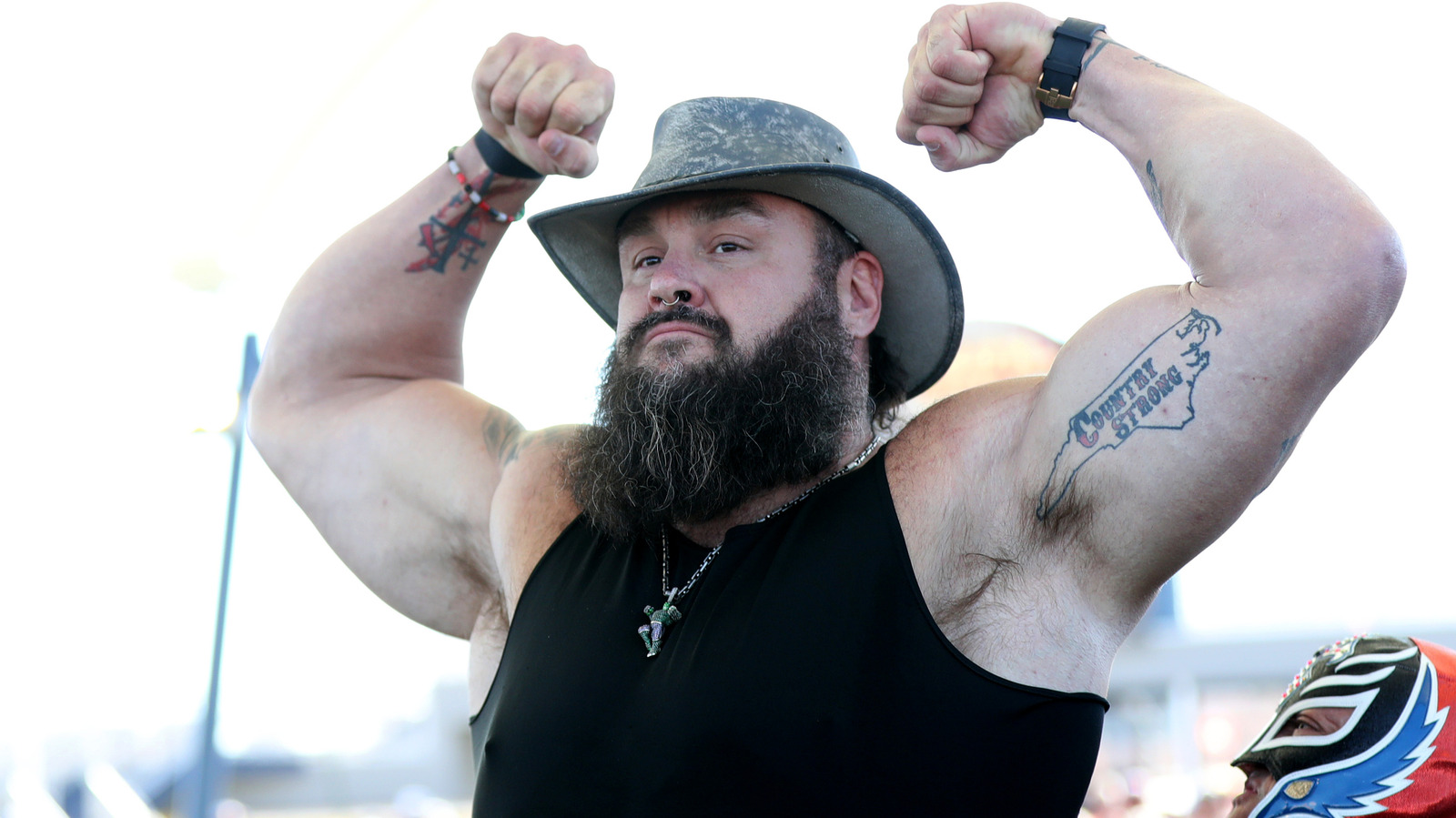
WWE operates a highly centralized entertainment system where every word, camera angle, and commercial tie-in is managed directly from the corporate office in Stamford. Yet, the history of the industry shows that the largest financial windfalls almost always occur when the script is broken. When a performer connects with the audience on an organic level, the corporate machinery often struggles to adapt, creating a bottleneck that halts momentum.
The promotion prefers its own pre-planned, trademarked intellectual property over spontaneous talent-driven initiatives. This corporate hesitation creates a regular friction point between what the fans want to buy and what the company is willing to produce. The result is a system that regularly leaves millions of dollars on the table to maintain top-down control over the characters.
A recent podcast appearance by Adam Scherr, known to wrestling fans as Braun Strowman, laid bare this exact institutional friction. His recollection of the battle to get merchandise for his signature phrase highlights the deep divide between the boardroom and the arena floor. The struggle showcases a company that is often terrified of its own performers achieving mass popularity without corporate permission.
The Anatomy of a Ringside Improv
In early 2018, Strowman was positioned as the primary monster heel on the Monday Night Raw brand, fresh off a series of high-profile matches against Roman Reigns. He was booked in standard destruction segments, flipping ambulances and destroying sets to build his physical aura. However, his character lacked a distinct verbal identity that could translate into merchandise sales, leaving him dependent on visual stunts that carried high production costs.
The turning point came during a television taping where Strowman was booked in a routine singles match against the veteran performer Rhyno. As the match progressed, Heath Slater began shouting instructions from the ringside area, attempting to distract the giant. The segment was tracking as a standard television squash, designed to fill time between major pay-per-view events and maintain Strowman's status as a threat.
Rather than completing the pre-planned sequence in silence, Strowman chose to respond to the ringside noise. He grabbed the microphone and delivered an improvised warning to Slater, telling him to shut up or enter the ring and face the same physical consequences as his partner. The crowd in the arena reacted immediately to the direct, unscripted threat, generating a roar that television producers could not mute.
The segment generated instant traction online, with clips of the confrontation racking up millions of views across social platforms. Fans immediately latched onto the final phrase of Strowman's threat, chanting it during his subsequent arena entrances. A smart promotion would have immediately capitalized on this sudden burst of fan interest by printing shirts overnight, striking while the iron was hot.
The Red Tape of Stamford's Retail Machine
Instead, Strowman met immediate resistance when he proposed a simple t-shirt featuring the new catchphrase. As reported by Wrestling Inc, the performer had to lobby the merchandising department for two weeks before they agreed to print a single shirt. The delay was not due to supply chain issues, but rather a corporate reluctance to back a phrase that did not originate in the writers' room, highlighting the friction between talent and executives.
This institutional hesitation is a direct byproduct of WWE's writing structure. The company employs dozens of television writers who pitch long-term storylines and catchphrases directly to executive management. When a performer bypasses this pipeline by inventing a phrase during a live broadcast, it disrupts the planned creative hierarchy and threatens the authority of the writing team.
Once the shirt was finally released to the public, the sales figures immediately vindicated Strowman's persistence. It dominated retail. The apparel remained the top-selling item in the entire promotion for 18 months, generating millions in high-margin retail revenue and outperforming established veteran merchandise.
This massive sales run occurred during a period when WWE was actively trying to push other corporate-approved designs. The company spent significant resources promoting merchandise for their hand-picked top stars, yet fans preferred the organic catchphrase. The consumer data proved that the audience wanted authenticity over manufactured branding, showing the limits of marketing push.
The Harsh Math of the Royalty Cut
Strowman's retail success also brought to light the highly asymmetrical financial arrangements that govern WWE talent contracts. During his podcast discussion, Scherr detailed the specific royalty splits that performers receive from their merchandise sales. The numbers reveal a system where the talent bears the physical risk while the corporation keeps the lion's share of the profit, highlighting the power imbalance in the industry.
The standard royalty rate for WWE performers selling merchandise through official channels is just 5%. The payout is low. For a standard retail t-shirt priced at twenty-five dollars, this percentage translates to a payment of approximately $1.13 per unit to the wrestler.
While WWE argues that this split is necessary to cover manufacturing, distribution, and venue licensing costs, the math remains highly unfavorable to the performers. In major sports leagues, players command a much higher share of licensing and merchandise revenues through collective bargaining. WWE's lack of a talent union allows the company to dictate these low royalty rates without negotiation, leaving talent with little leverage.
For a top-tier performer moving hundreds of thousands of units, the difference between a five percent royalty and a fair market split is worth millions of dollars. The performer's physical body is the billboard that drives the sales, yet their compensation resembles a minor licensing fee. This financial structure explains why the company is so protective of its merchandising pipeline, ensuring that the brand remains the dominant financial force.
A Legacy of Stifling Organic Heat
The fight over Strowman's catchphrase is not an isolated incident in the promotion's history. WWE has a documented track record of pushing back against talent who generate popularity outside the corporate template. The most famous modern example of this dynamic is Zack Ryder's self-made campaign in 2011, which changed how wrestlers interacted with fans online.
Ryder, whose real name is Matt Cardona, was entirely left off television and decided to launch a weekly YouTube show to connect with fans. He created his own slogans, designed his own merchandise, and eventually forced WWE to acknowledge his popularity. Yet, instead of capitalizing on his connection with the crowd, the booking team systematically dismantled his character on television, exposing a deep reluctance to reward organic success.
A similar pattern emerged in late 2017 with Rusev and his daily celebration gimmick. The crowd was ignored. Despite arenas worldwide chanting his catchphrase and buying every piece of themed merchandise available, the booking team refused to elevate him to the main event.
This pattern suggests that WWE often views talent-driven popularity as a threat to their corporate structure. The company wants fans to buy the brand, not individual performers who might leave for rival promotions or demand higher contract guarantees. By controlling which merchandise gets made, the front office controls who is allowed to become a top star, maintaining their leverage over the roster.
The Broken Feedback Loop
This booking philosophy represents a fundamental misunderstanding of what drives professional wrestling's popularity. Wrestling is not a standard television drama where characters can be recast or controlled by a team of writers. It is an interactive athletic performance that relies on a real-time feedback loop between the ring and the crowd, where reactions dictate the narrative.
When the booking team ignores this feedback loop, the quality of the television product suffers. Fans notice immediately. They can sense when a push is forced, leading to silent arenas and dropping television ratings.
The modern booking system has made strides in recent years, but the core corporate impulse to control remains. Writers still script promos down to the individual word, and performers are penalized for deviating from the script. This micromanagement stifles the development of the next generation of top draws, producing generic characters instead of unique icons.
To build a sustainable future, the promotion must allow its performers more creative freedom. The best characters in the history of the business—Stone Cold Steve Austin, The Rock, Dusty Rhodes—were not created by a committee of television writers. They were performers who took a basic premise and ran with it, using their own voices to connect with the audience and build a lasting bond.
The Modern Star-Making Dilemma
If a performer has to spend two weeks fighting to sell a shirt that fans are begging for, the corporate process is getting in the way of business. The system is broken. The company's merchandising department should be a service that supports the talent, not a gatekeeper that limits their earning potential.
The financial realities of the business will eventually force a change. As alternative promotions offer better terms and creative freedom, top talent will look elsewhere. WWE's ability to retain its dominant position relies on its ability to create new, culturally relevant stars who can move merchandise and drive television rights fees.
Strowman's eventual release and subsequent return to the company show that even top merchandise movers are subject to the whims of corporate restructuring. The giant's experience serves as a warning to other performers on the roster. In the modern WWE, your biggest creative breakthrough might still be viewed as a corporate inconvenience, demonstrating the absolute priority of the company's brand over its talent.
The lesson of the improvised catchphrase is clear. The audience will always choose authentic emotion over corporate branding. The promotion can either fight this reality to maintain control, or embrace it and reap the financial rewards that come with genuine crowd connection.
McDavid Knee Brace with Stays, Knee Support for Men and Women, Compression Sleeve
Professional-grade stability for when you’re pushing your limits like your favor
Frequently Asked Questions
Who did Braun Strowman face when his catchphrase was created?
What is Braun Strowman's real name?
How was Braun Strowman booked on Monday Night Raw in 2018?
Why does WWE struggle with spontaneous wrestler initiatives?
What triggered Braun Strowman to improvise his catchphrase?
More Coverage
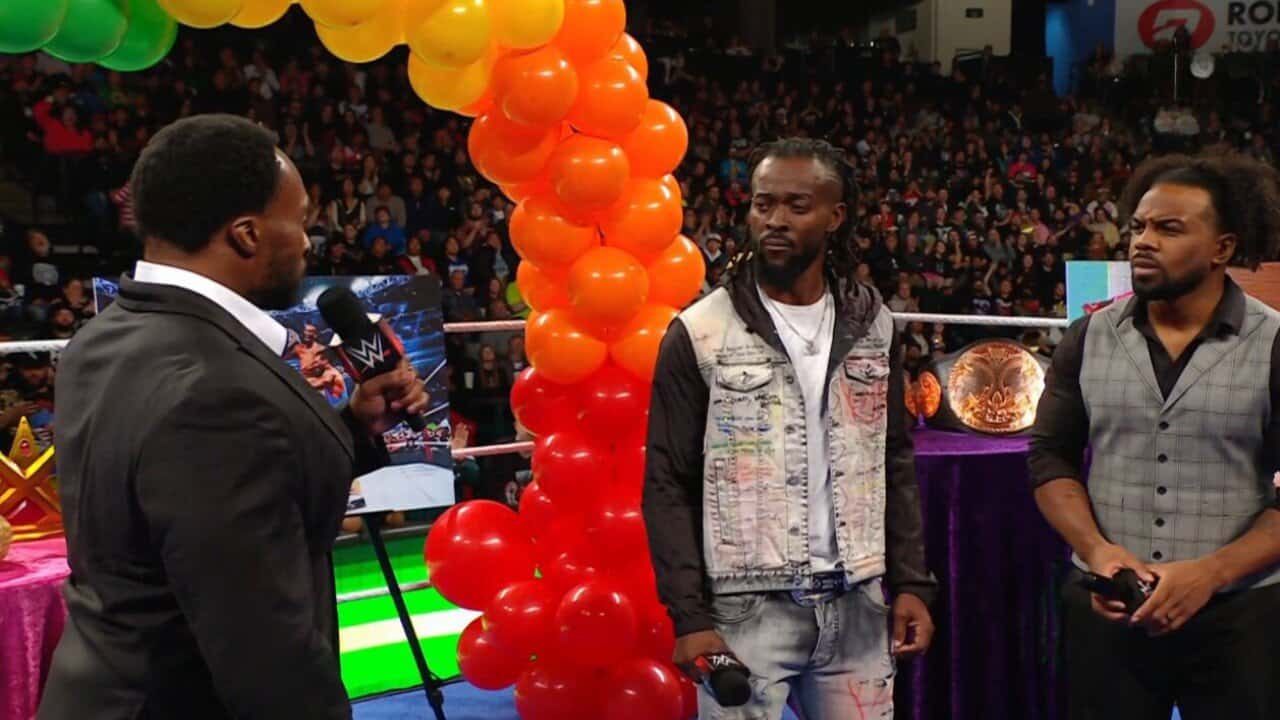
How Big E saved New Day's entrance from a terrible corporate idea
2 hours ago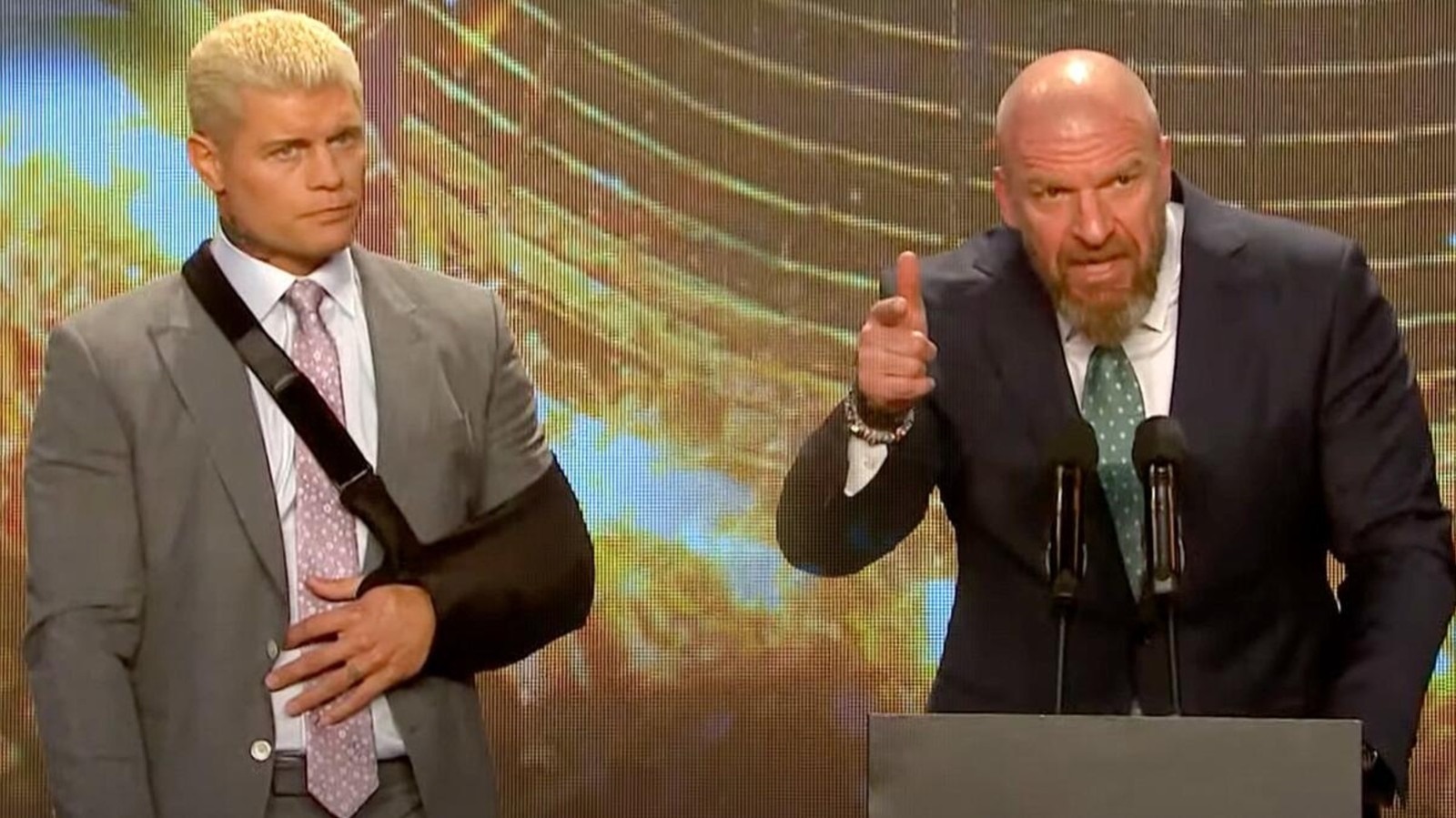
Cody Rhodes responds to rumours about taking Triple H's WWE creative job
2 hours ago
Top 10: return
4 hours ago
Kevin Owens' injury status remains cloudy ahead of NXT Bash appearance
4 hours ago
Why Sami Zayn winning the WWE title in Riyadh is a major booking mistake
5 hours agoBooker T's tough love on WWE LFG is a reality check for NXT's rising stars
5 hours agoMore Analysis
Charlotte Flair is about to expose Jade Cargill's biggest flaw
2 hours ago
How Big E saved New Day's entrance from a terrible corporate idea
2 hours ago
Cody Rhodes responds to rumours about taking Triple H's WWE creative job
2 hours agoNXT Great American Bash is about to give us beautiful, campy chaos
3 hours ago