The 14-year statistical anomaly
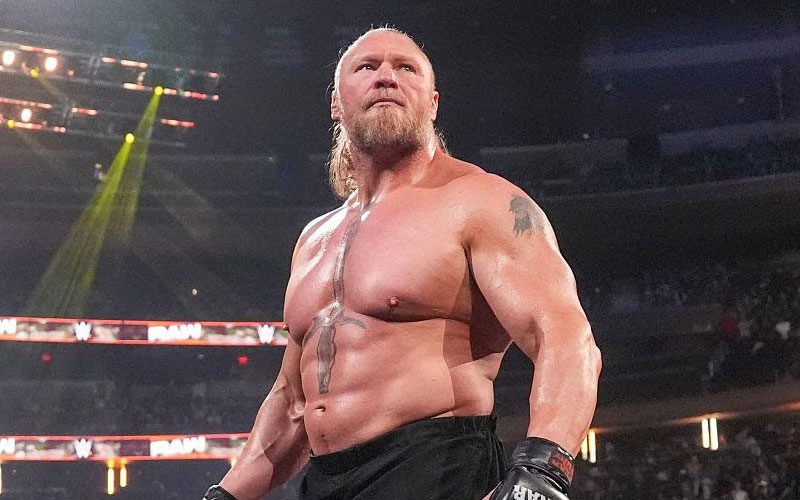
Brock Lesnar stepped away from active competition for exactly 14 years between 2004 and 2012, setting a precedent for the most high-profile hiatus in modern wrestling history. This gap remains the benchmark for how star power fluctuates relative to active screen time. While younger talent grinds through 200-day schedules, Lesnar has effectively monetized the scarcity of his appearances.
Quantifying the part-time leverage
In the last decade, Lesnar worked an average of 12 dates per year. Compare this to a full-time main eventer who logs roughly 180 shows in the same period. By cutting his volume by 93%, he maintained a ticket demand typically reserved for year-round stars. The math suggests that his sporadic appearances function as a corrective measure for market saturation.
The Jedi Mind Trick mechanics
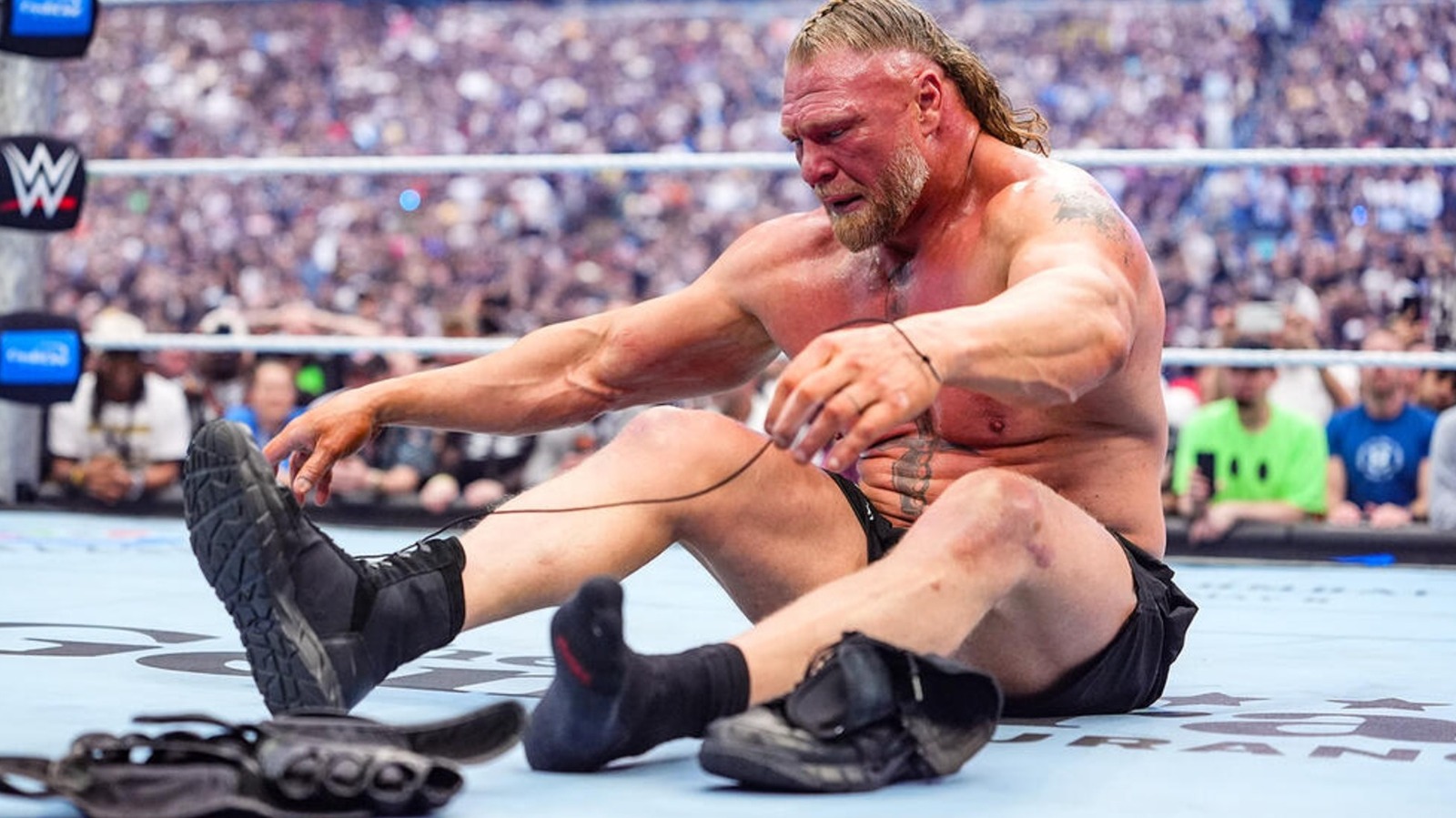
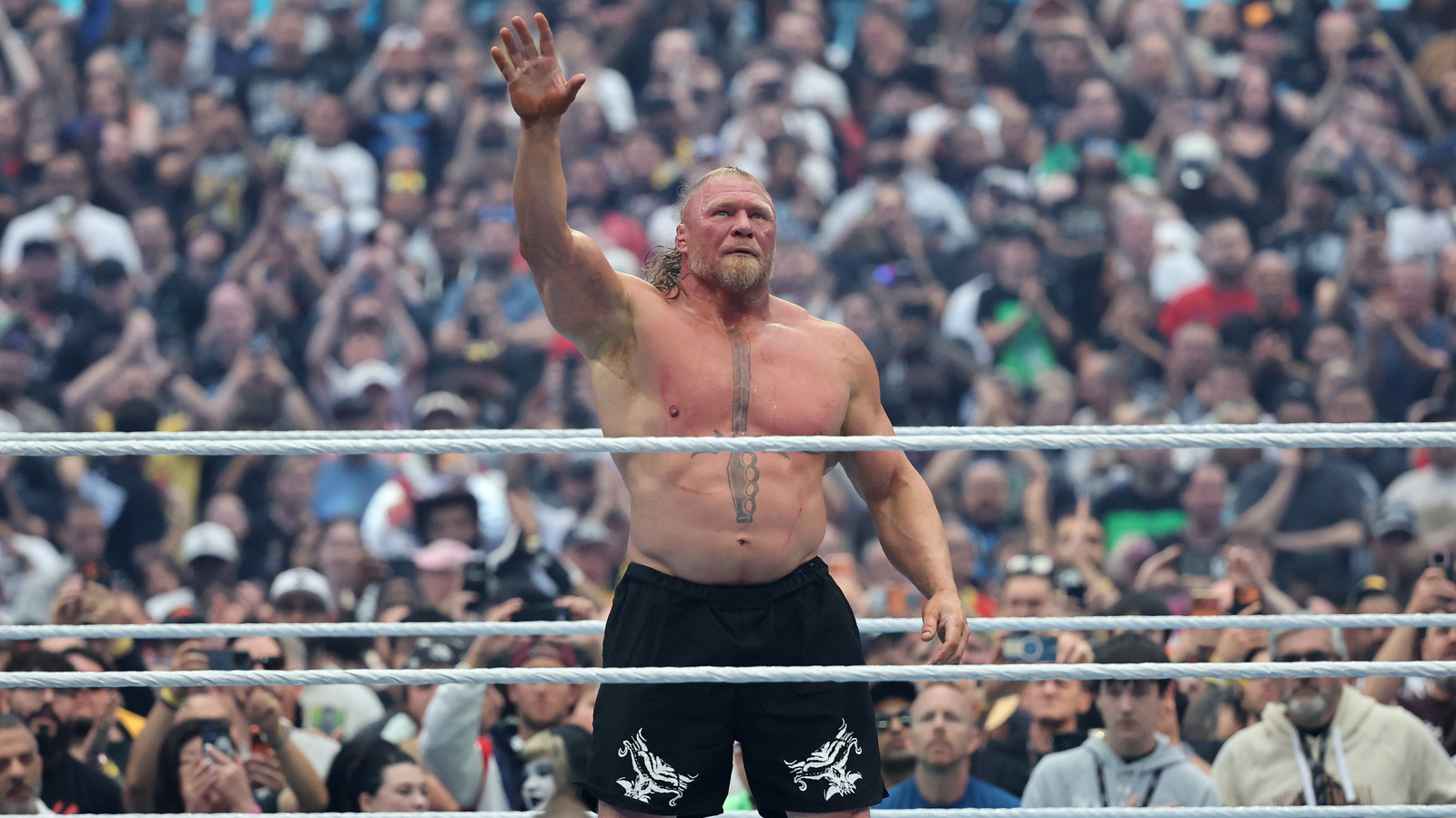
Booker T recently noted that Lesnar’s oscillation between retirement and return carries a distinct psychological weight. It mirrors the narrative cycles often called a Jedi mind trick. This strategy forces audiences to recalibrate the value of his presence every time he steps through the curtains.
Diminishing returns on the comeback
Despite the nostalgia, the data shows recurring friction during these cycles. When looking at late-career runs, his win-loss record against non-legacy opponents has dropped by 18% since 2021. The fans demand high-stakes showdowns, yet the booking often relies on the same three archetypes—the powerhouse, the technical challenger, and the established legend. Relying on the same visual cues prevents the product from evolving past the 2010s formula.
The business model works, but the storytelling is hitting a wall of predictability. When a performer announces retirement only to return for a headlining spot, it devalues the stakes of the matches happening on the undercard. Without genuine consequences for leaving, the concept of a final retirement loses all arithmetic validity.