Measuring the Bloodline against the ghosts of the past
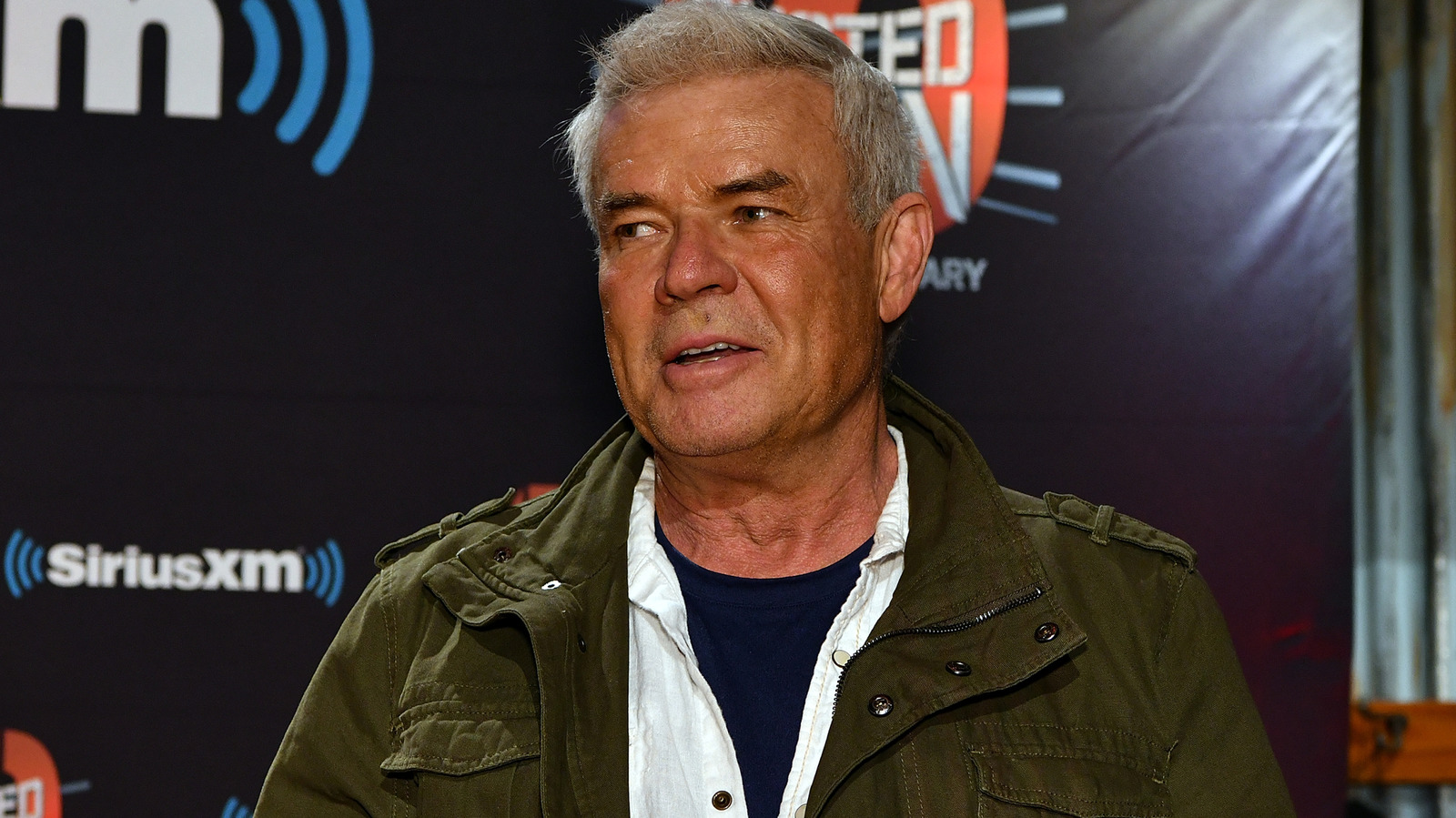
Eric Bischoff dropped a heavy claim this week suggesting the current iteration of the Bloodline narrative stands as the greatest story in professional wrestling history. It is a bold stance from a man who produced the nWo, a faction that forced the industry’s hand in the late nineties. Bischoff pointed to the duration and the emotional complexity involved in the collapse of the stable as evidence for his position.
Most long-term arcs in this industry burn out within eighteen months. The Bloodline has managed to maintain relevance for over three years, primarily through the shifting power dynamics of the protagonist-turned-antagonist, Roman Reigns. By prioritizing the internal friction of the Anoa'i family over recycled title challenges, WWE hooked a core demographic that usually tunes out during repetitive mid-card filler.
The danger of over-extending the drama
Despite the praise, the story is not without its technical dead zones. There have been weeks where the segments felt like a treadmill, spinning in place while waiting for a specific PLE payoff. When Eric Bischoff noted the quality of this modern WWE run, he underscored how difficult it is to keep audiences invested without forced hot-shotting. The pacing issues during the middle act of 2025 nearly derailed the audience's patience.
Booking a story this long requires a delicate touch. If you rely too heavily on the same interference spots or the classic 'kick-out at two' finish, the gravity of the match resets to zero. A technical concern remains the lack of credible challengers who can sustain momentum against a stable that rarely loses clean. We have seen high-stakes encounters turn into predictable sequences of interference that devalue the individual character work.
What to watch for in the upcoming cycles
The success of this run stems from how it leverages its history. Every betrayal, from the chairs to the superkicks, draws on established narrative capital. Moving forward, the creative team faces the classic problem: how do you pivot without feeling like you are retreading familiar ground? The audience is now conditioned to look for the turn every time a stablemate enters the ring.
The intensity of the upcoming matches hinges on whether the creative team can introduce genuine risk for the current titleholders. Without a legitimate threat to the internal chemistry of the group, the storytelling becomes static. We are at a juncture where the audience craves a clean resolution rather than another complex disqualification. The stakes are effectively defined by the 95% success rate of their interference-heavy finish protocols.
Predicting the inevitable fallout
Bischoff is right that the scale is unprecedented, but longevity is not the only metric for quality. I anticipate the next fiscal quarter will force a shift in the booking strategy, likely moving away from the dominance trope. If they continue down this path, the inevitable fatigue will hit harder than any heel turn could hope to soften. My call is that the writing enters a transition phase by July, moving to fragment the group entirely to force a fresh competitive dynamic.