The metrics behind a rapid retirement pivot
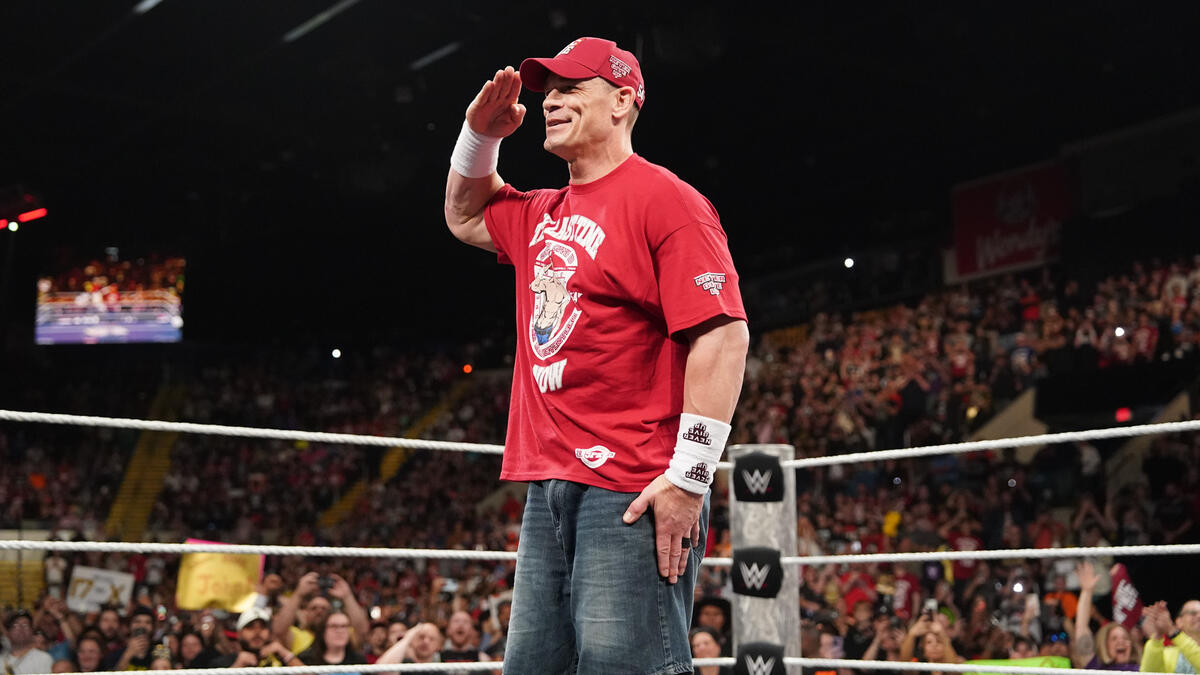
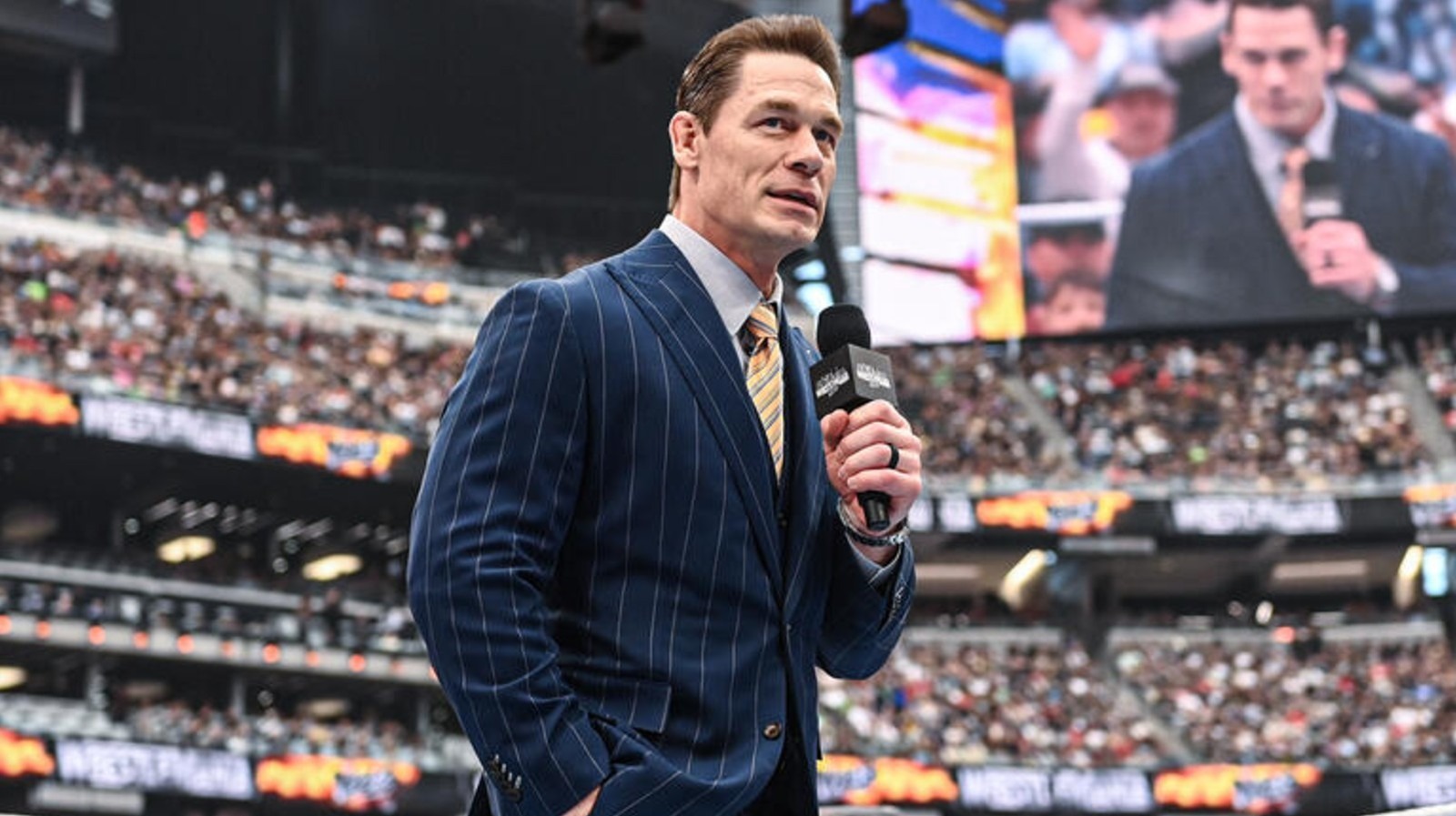
John Cena retired from in-ring competition in December 2025. Exactly 4 months later, he is being positioned as the centerpiece for an event that hasn't even occurred in our current calendar timeline. This rapid transition from athlete to non-wrestling host carries a heavy statistical load, specifically regarding ticket distribution versus star power.
When a legendary figure returns this quickly, the data usually suggests a direct correlation with poor advance sales or specific regional market concerns. Bringing back a retired star within a fiscal quarter of their departure is a rare move, historically signaling a need for a massive spike in visibility. While corporate messaging frames this as a homecoming, recent reports suggest the decision stems from stalled gate movement.
The financial trap of the 'Host' role
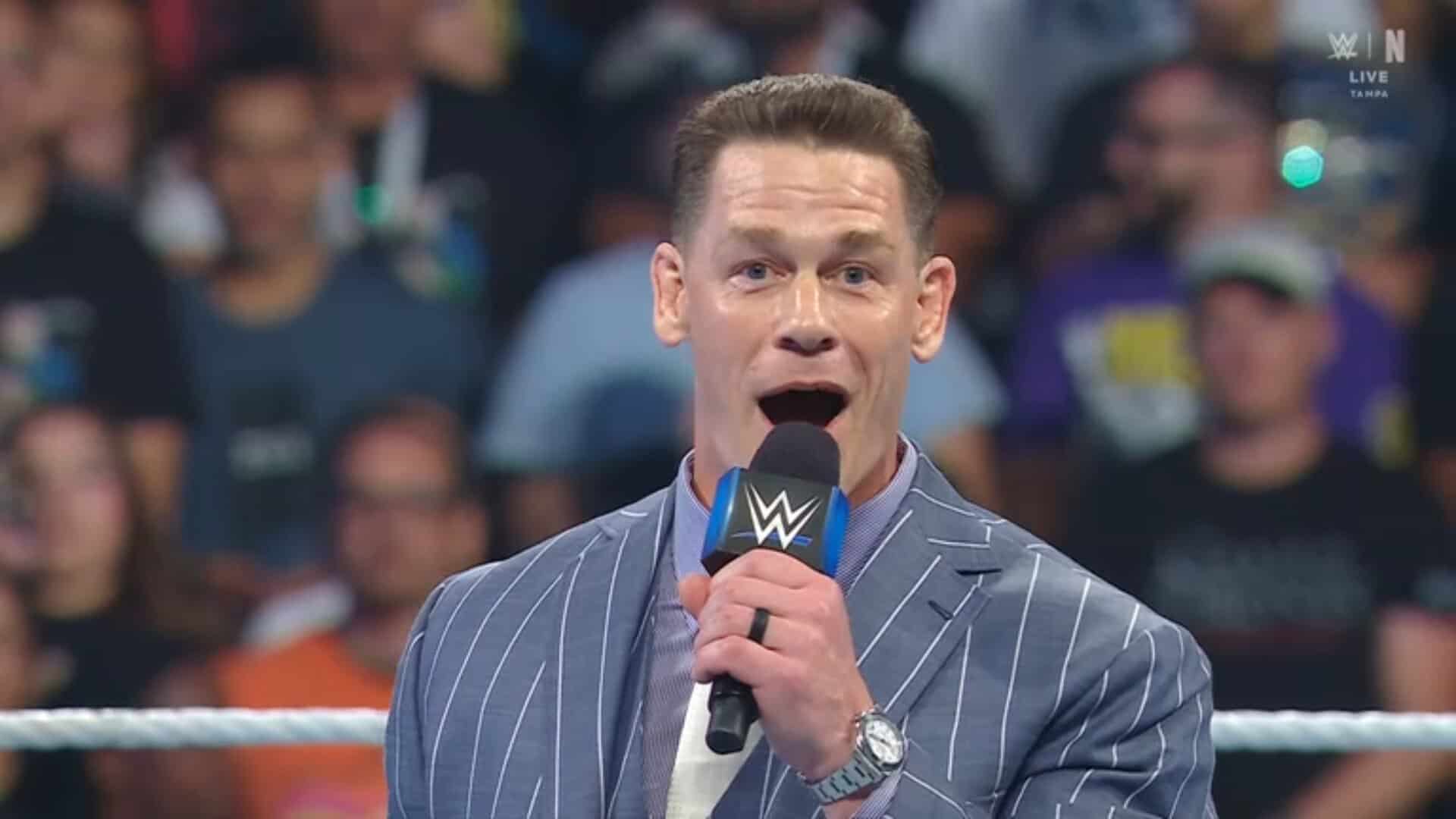
Assigning a retired star as a host is typically a low-risk, high-reward strategy for maintaining engagement without the 0% chance of injury involved in a match. However, using Cena in this capacity immediately after a formal retirement creates a unique dilution of his brand value. If a retirement serves as a definitive plot point, bringing that person back for anything other than a scripted cameo at the 18-day mark before a major show is effectively burning one of your last remaining trump cards.
Jim Ross, speaking recently via F4WOnline, has raised the idea of a permanent switch to a commentary desk. From an analytical perspective, this is a distinct shift in asset management. Wrestling commentary requires a different set of technical metrics than performance — namely, maintaining narrative pacing while calling high-impact sequences like a burning hammer or a top-rope spot.
Why the math of fan interest is shifting
Look at the fan sentiment polling as a gauge for this decision. When you present audiences with binary choices between legacy acts and newer, personality-driven talent, the data rarely aligns with the corporate preference for safety. Betting on Cena ensures a baseline of interest, but it prevents the development of new, organic crowd-drawing power.
The current booking strategy feels binary: either you push an unproven talent into a high-leverage spot, or you fall back on the 15-year equity established by a known commodity. This move reflects a company that prioritizes the bottom line of ticket sales over the long-term narrative integrity of its retirement storylines. If the goal is a rapid 25% increase in engagement for a single weekend, the math works. If the goal is long-term brand sustainability, the stats suggest exhaustion of the product's most valuable emotional assets.
Analysis of booking consistency
What remains missing is a clear vision for the company's post-peak phase. By pulling Cena back onto the stage, WWE inadvertently highlights its own lack of depth. There is no deeper bench of names capable of driving comparable international or domestic revenue without massive marketing subsidies. Relying on a retired worker to fix booking gaps is not a plan; it is a tactical retreat from the risk of allowing the product to stand on its contemporary performance merits.
Expect the commentary to focus heavily on the 'nostalgia pop' during the broadcast. Whether that translates to higher viewer retention rates remains the key performance indicator for the Q2 earnings call. If the 12-month trend of fan interest continues its current trajectory, we will likely see more, not fewer, of these emergency returns before the year concludes.