The closing slot misfire
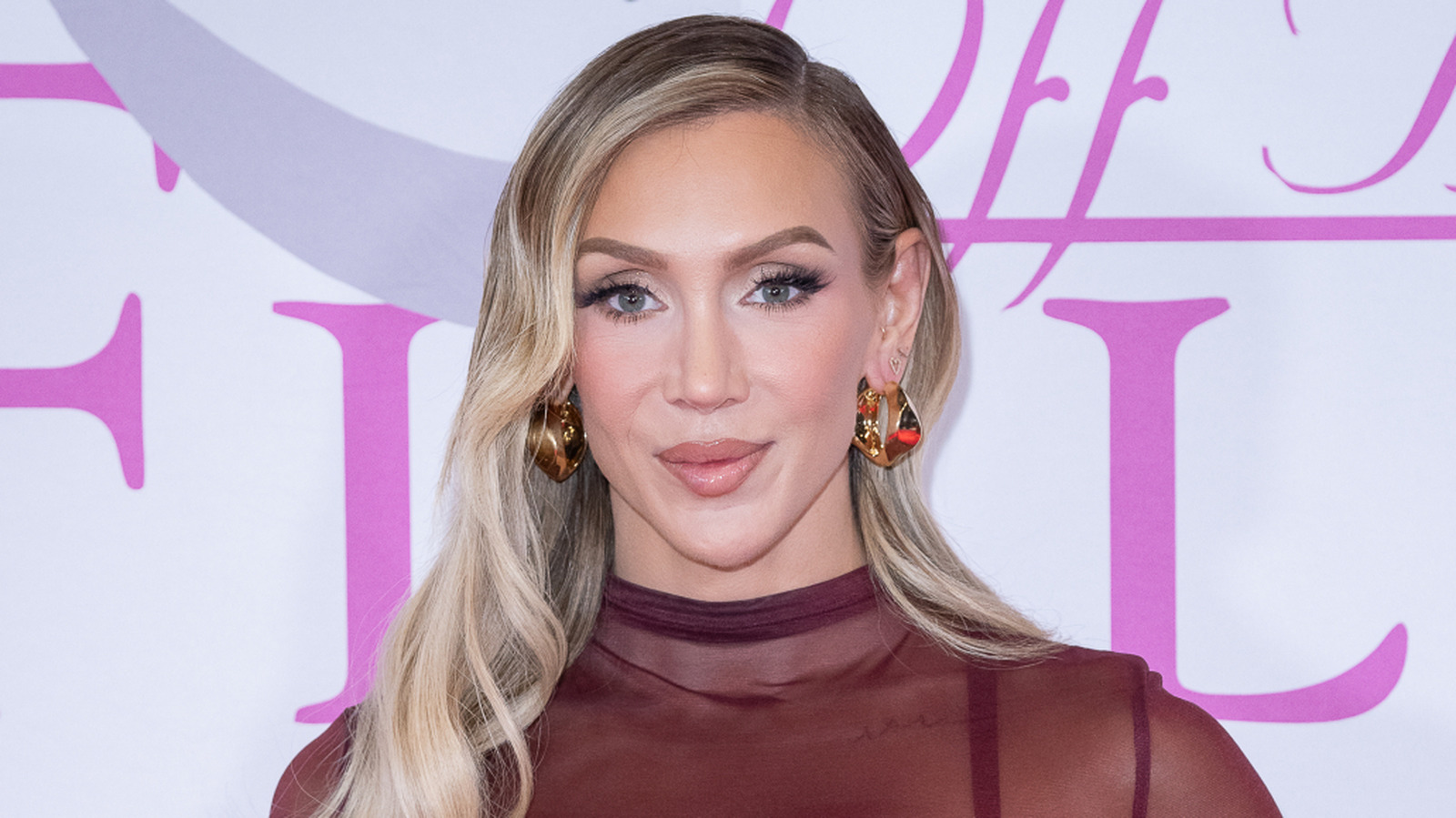
WWE is reportedly planning to close tonight's episode of SmackDown with a women’s tournament bout between Charlotte Flair and Liv Morgan. While both individuals have significant name value, using this match as the main event of a two-hour network block on June 19, 2026, feels like a structural miscalculation. Matches in the final quarter-hour are traditionally reserved for establishing momentum toward upcoming premium live events. Using a tournament bracket filler to anchor the show risks alienating a casual audience that expects a higher-stakes resolution.
Tactical inconsistencies in the build
Liv Morgan has struggled to maintain consistent heat since her last title run, often relying on chaotic interference rather than clean in-ring dominance. Her recent statistical profile indicates an average match time of 9 minutes, which is insufficient for a main event showcase. Charlotte Flair, conversely, remains a high-floor performer but has been relegated to mid-card feuds, resulting in a stagnant push over the last six months. Placing these two together ignores the reality that neither has the current narrative velocity required to hold television ratings past the 9:45 PM mark.
The danger of predictable booking
The outcome of this match feels painfully transparent. Charlotte Flair operates on a different trajectory within the company hierarchy, and an early exit from a tournament would undermine her status as a top-tier attraction. Expect a sequence involving a sequence of near-falls, likely culminating in a spear during the 10:10 PM window of the broadcast. Unless there is a direct interference from the remaining tournament participants, the match lacks the requisite volatility for a closing segment.
A missed opportunity for the mid-card
This decision highlights a recurring lack of creativity in how the women's division is positioned as a draw. Instead of slotting Morgan and Flair in the main event, the promotion should have utilized the time to feature talent with more momentum or established a clearer hook for the tournament final. As reported via Ringside News, the decision was made to prioritize this pairing over other potential contenders. The reliance on legacy stars in tertiary tournament slots instead of developing fresh main-event talent continues to limit the division’s ceiling. It is a safe, uninspired choice that will do little to shift the needle on viewership retention long-term.