The durability paradox in modern sports entertainment
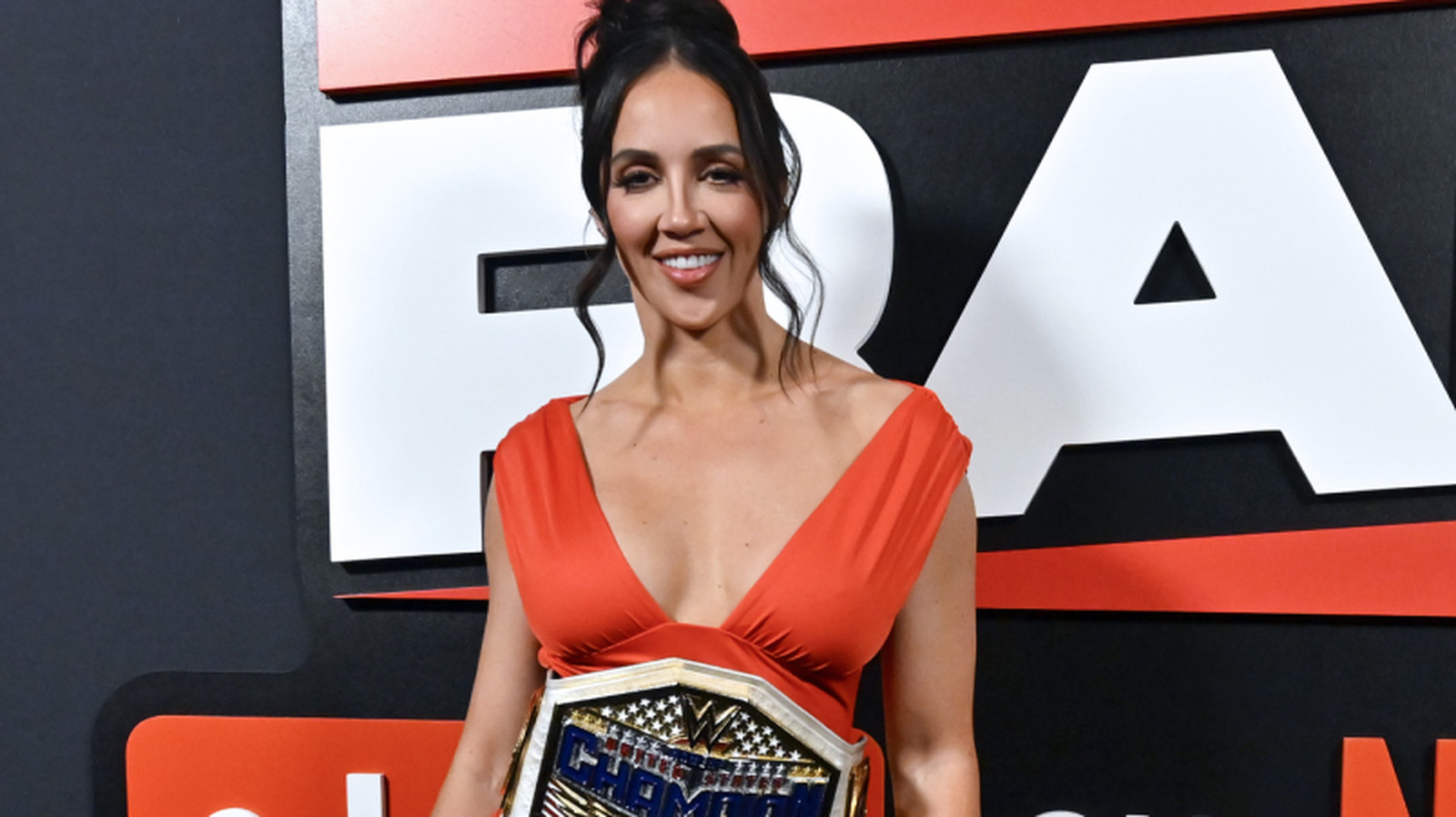
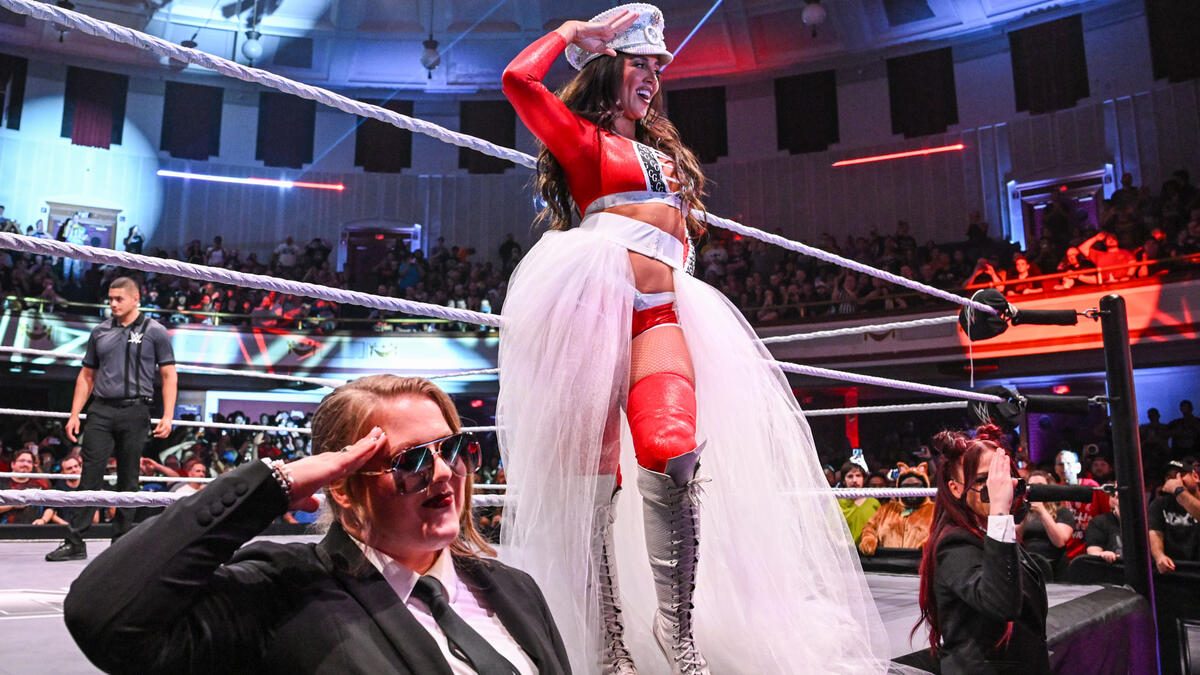
Chelsea Green has mastered the rare art of maintaining television relevance while physically compromised. In an industry where being off-screen often equates to professional erasure, Green has turned injury management into a persistent storyline component. Her ability to pivot from active competitor to personality-driven segment anchor prevents the 'out of sight, out of mind' trap that consumes many mid-card talents.
As Ringside News recently detailed, Green has navigated multiple health setbacks without losing her place in the active rotation. Working through structural limitations requires a specific tactical approach to booking. Instead of disappearing for rigorous rehabilitation blocks, she leaned into character-work that minimizes in-ring risk while keeping her profile high.
The cost of high-impact performance
Professional wrestling does not have an off-season. When compared to the rest cycles of elite athletes in other sports, the demands on WWE performers are relentless. Every missed date represents a lost opportunity to capitalize on momentum in a crowded locker room. Green’s refusal to vacate the screen during prior recovery periods serves as a case study in branding longevity.
Historical precedents for this style of mid-injury management are few. Most talents opt for full surgical recovery, fearing the long-term damage of working at 70 percent capacity. Green has essentially inverted the standard recovery protocol. She prioritizes psychological presence over physical peak, ensuring that when she is cleared for full contact, the audience is already invested in her ongoing arc.
Expanding the horizon beyond the squared circle
The transition from the ring to external projects is the latest evolution in this career trajectory. Green has officially booked a role in the upcoming horror film titled Red Wedding. As reported by F4WOnline, this venture into cinema aligns with her push to diversify her portfolio during lighter in-ring stretches. It represents a strategic hedge against the volatility of physical sport.
Critics often point out that working through ailments creates a ceiling for in-ring quality. Matches relying on safe, scripted exchanges lack the visceral intensity seen in the legendary rivalries of the past. When wrestlers like Rob Van Dam and Jeff Hardy famously pushed their bodies to the limit to deliver high-flying spectacles, they were taking risks that shaped the industry standard for years to come. Green’s focus on longevity arguably sacrifices that level of spectacle for the sake of survival.
Strategic implications for the women's division
The women's locker room is currently experiencing a talent surplus. Staying visible while injured is no longer just an advantage; it is a necessity for maintaining a spot on premium live events. By diversifying into film projects, Green is effectively redefining what being 'active' means in the company record books. She is not just a wrestler; she is building a multimedia identity that functions independently of her medically cleared status.
Whether this trend will spread remains the defining question for the next generation of performers. Younger stars generally prioritize immediate physical output, often failing to account for the cumulative wear on their frame. If Green continues to succeed with this model, look for a shift toward 'character-heavy' injury management. This move away from purely athletic performance toward personality-led segments might be the most effective way to extend a career in the current, hyper-competitive entertainment climate.
Ultimately, the move to book film work shows a sophisticated grasp of the entertainment market. Injuries, for most, act as a career tombstone. For Green, they have been a turning point that forced a pivot toward narrative development. While the physical toll remains a genuine concern, her ability to remain a fixture on screen without risking further structural failure is a masterclass in modern sports entertainment survival.