The friction behind the scenes for the Undisputed Champion
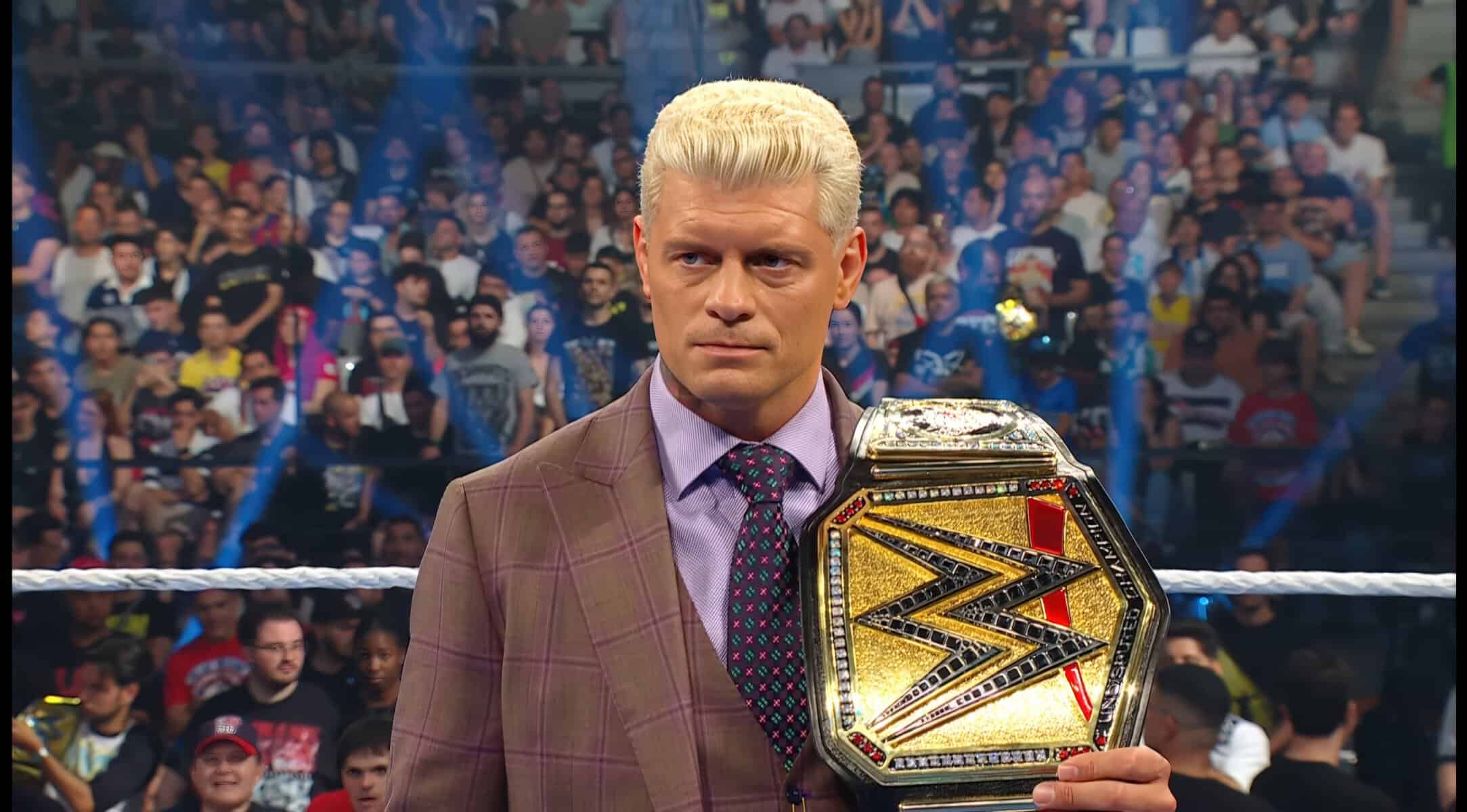
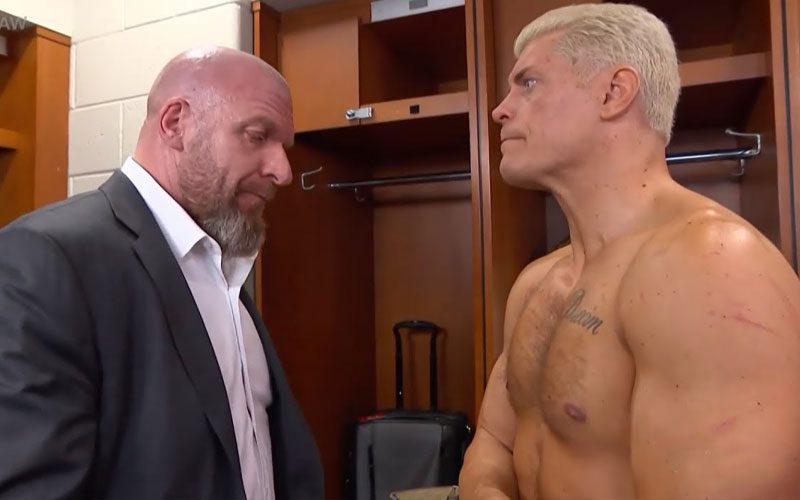
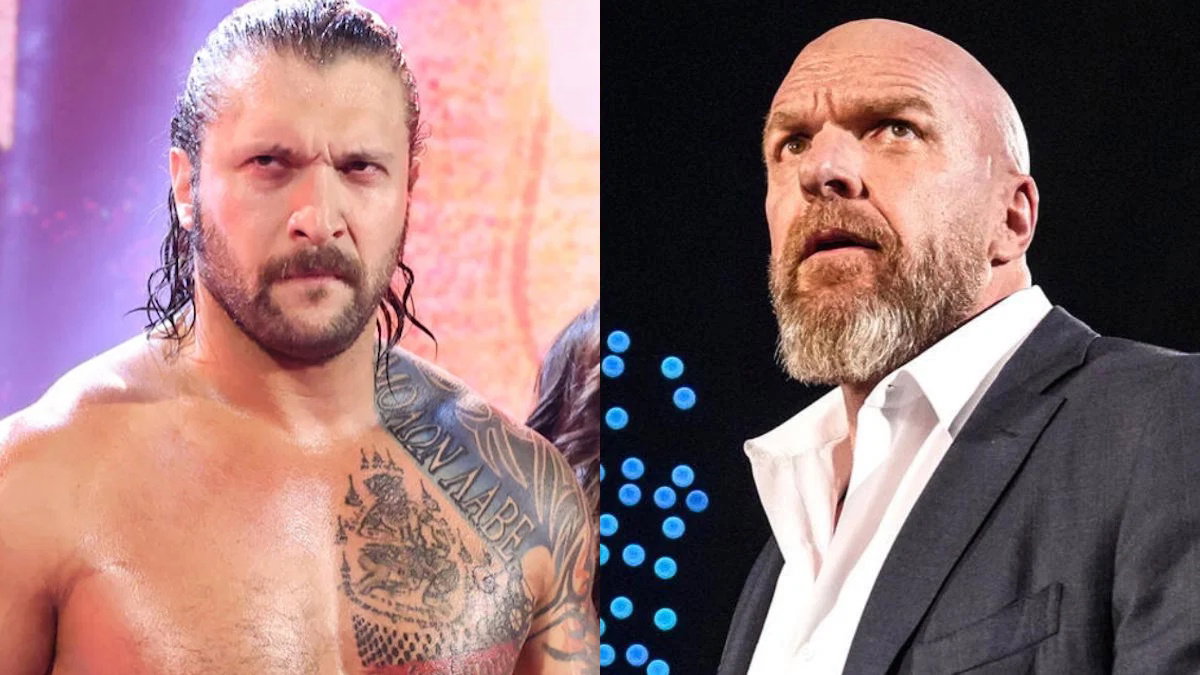
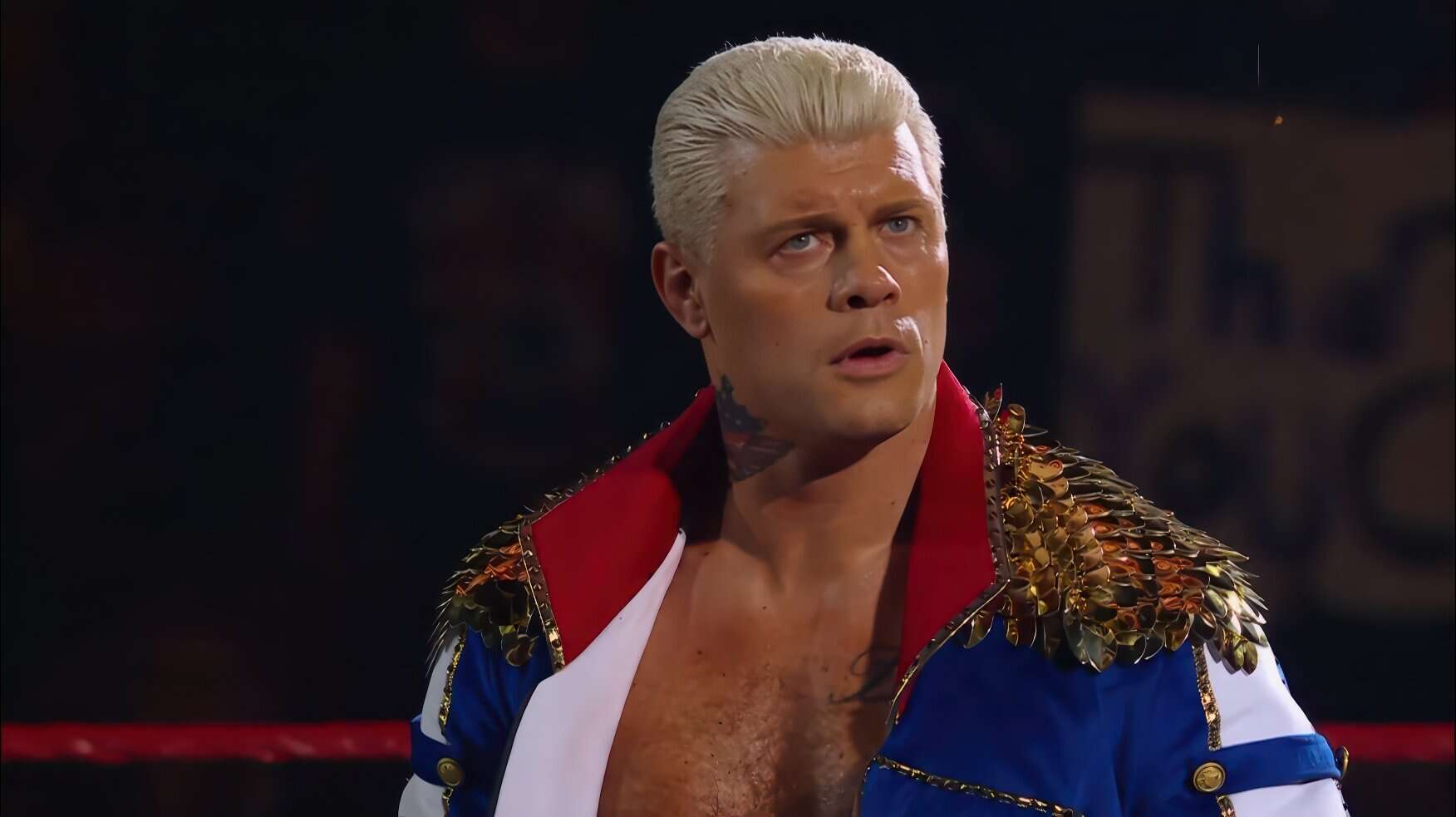
Cody Rhodes currently carries the torch for the WWE, but recent reports highlight a growing disconnect between his creative vision and management. As Wrestling Inc reported, Rhodes pushed for an eye patch gimmick following his high-stakes collision with Randy Orton. Triple H reportedly vetoed the idea.
This rejection serves as a reality check for the champion. While his trajectory since returning has been near-vertical, the creative process remains strictly under the purview of Triple H. The eye patch would have leaned into a classic wrestling trope, yet the company clearly values a cleaner aesthetic for their poster boy.
Generational gaps and the current locker room dynamic
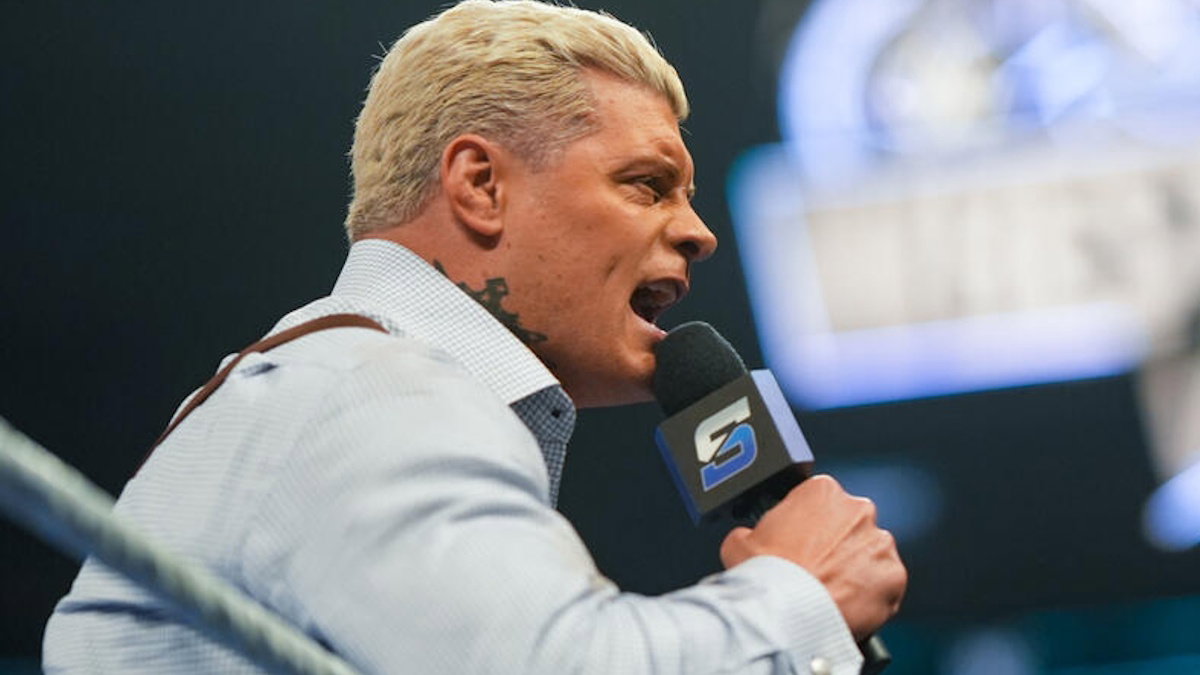
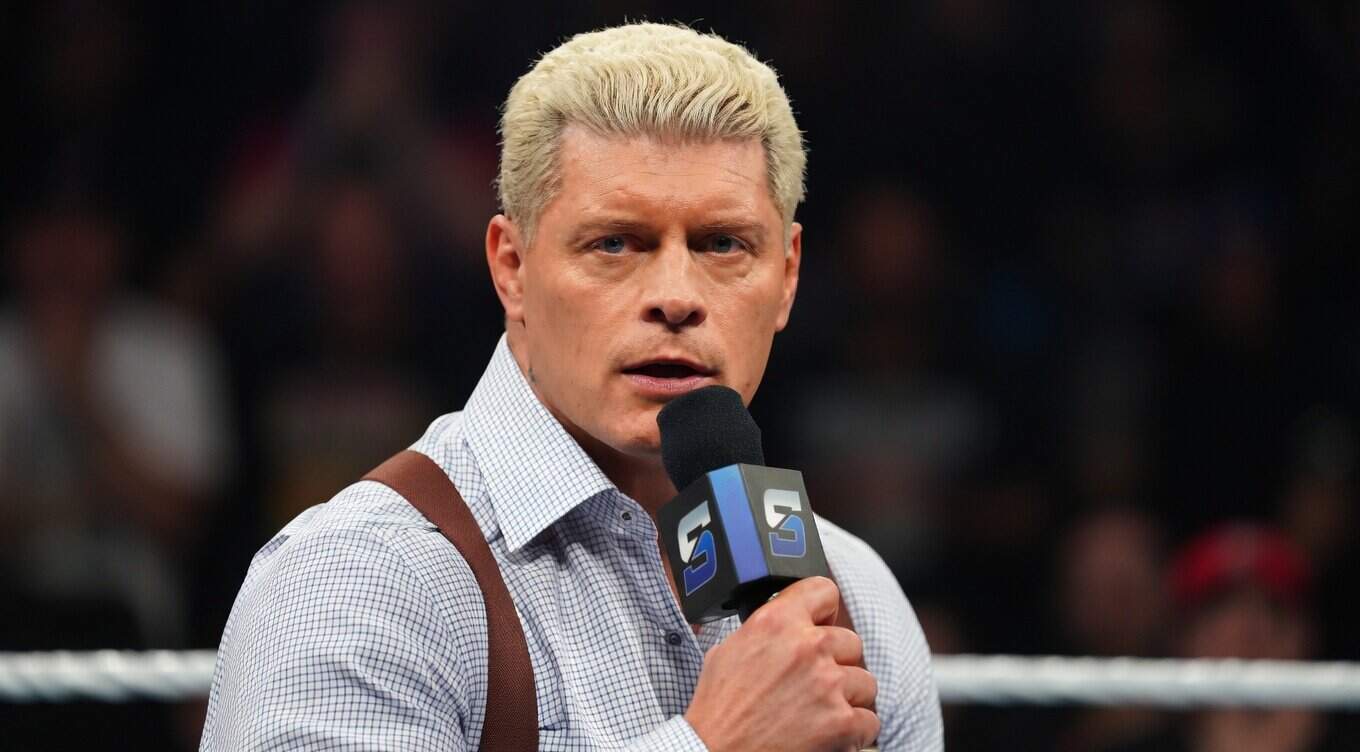
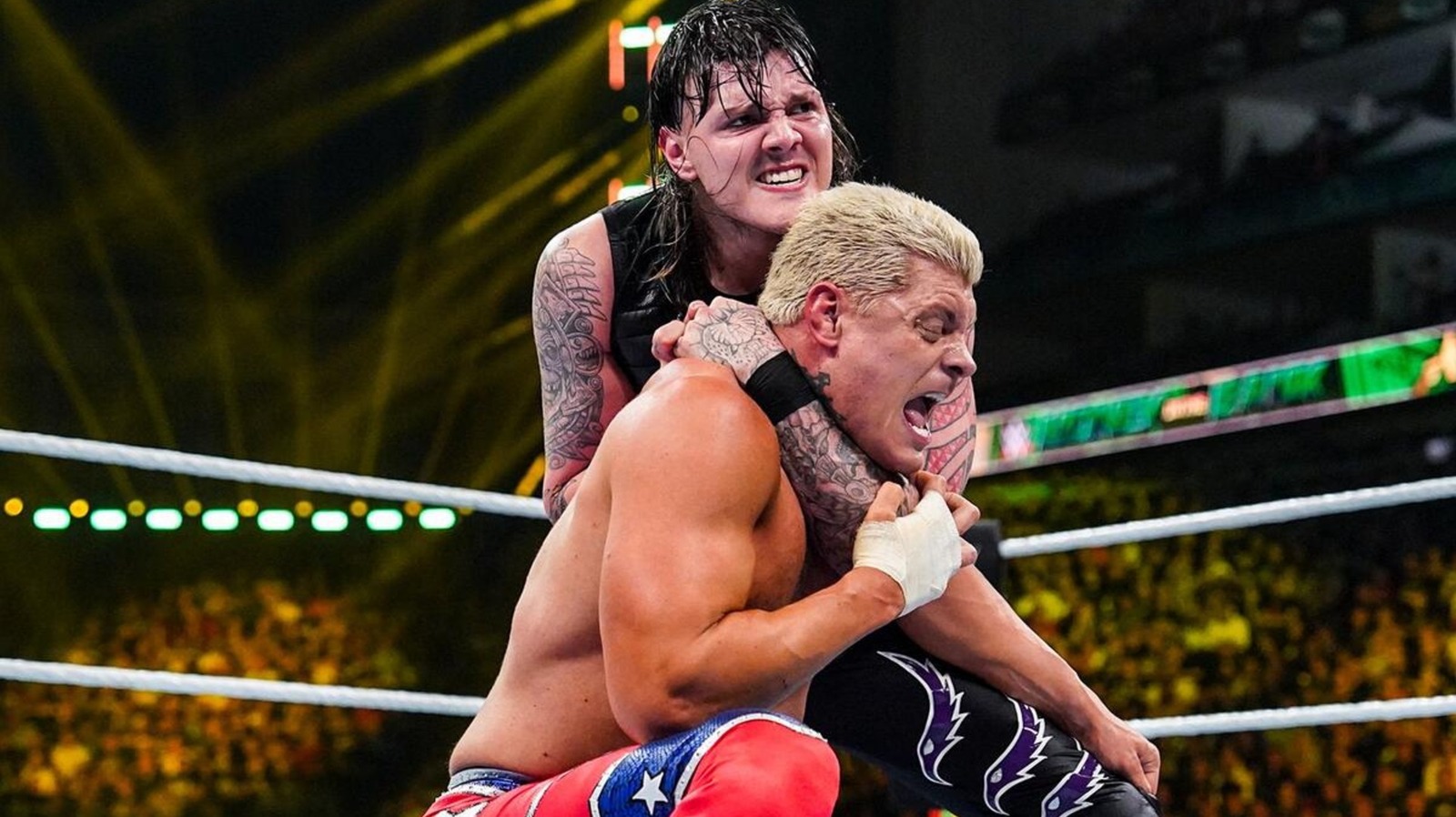
Rhodes has been vocal about his place in the current roster rotation. He openly admitted in an interview that working alongside younger talent like Dominik Mysterio makes him feel his own age. This public acknowledgement points toward the shift currently happening within the company's hierarchy.
Meanwhile, the history surrounding his feud with Orton has been carefully curated. Contrary to fan speculation, sources via F4WOnline confirm that Ted DiBiase Jr. was never part of the long-term conversations for that angle. It was a singular focus on the Legacy fallout.
Booking risks and the celebrity factor
WWE is shifting toward a model that prioritizes massive reach. Reports indicate that celebrity involvement is not tapering off, regardless of how traditionalists feel about the product. The focus is on mainstream visibility, forcing full-time stars to share the spotlight with outsiders.
Some veterans have begun pulling back the curtain on the environment behind the scenes. For instance, recent stories regarding figures like Drew McIntyre intervening in negative locker room encounters underscore the protection the company tries to maintain for its junior talent. It is a complex environment where the champion must often act as both a performer and a mentor.
The downside of the current creative direction
The primary critique here is the rigid nature of current booking. By shutting down character development nuances like the eye patch idea, the creative team risks stifling talent autonomy. When the champion cannot influence his own presentation after a major injury, it limits the stakes for the audience.
If the storytelling becomes too calculated or sanitized, the genuine emotional stakes of a match disappear. Fans want the grit that defined moments like Triple H's own career highlights, not just a polished display. The reliance on safe outcomes could eventually turn off the hardcore base that brought the sport to this current level of success.
Probability of creative pivot
The likelihood of management granting Rhodes total creative freedom is low. The probability of the 'corporate' style continuing through the summer is high. We expect the next major storyline shifts to occur around the May 9th Backlash event, where the company will look to reset the momentum post-spring.
If Rhodes continues to have his specific creative suggestions rejected, expect more public frustration. The impact of this standoff is clear: the champion remains a commodity, not an author. If the storytelling doesn't match the in-ring work rate, the crowd may start to feel the same fatigue that Rhodes jokes about when standing next to younger rivals. Stability is the aim, but boredom is the side effect.
Read Next
- Cody Rhodes' First Test Is A Bloodline Reckoning
- John Cena heading to Backlash is exactly why wrestling fans have trust issues
- Dakota Kai finally explains the messy origin of Damage CTRL
- WWE Backlash needs to deliver more than just a dress code
- 🏆 WrestleMania 41 — Full Coverage Hub
- 💥 WWE Backlash 2026 — Full Coverage Hub