
Cody Rhodes and the creative ceiling on Friday nights
The pacing problem in the post-Draft era
Friday nights on SmackDown have become a study in attrition. Since the 2026 Draft, the show has leaned heavily into long-form character segments that often stall the actual momentum of the wrestling. Watching the June 12 broadcast, it was clear that top-tier talent is being stretched thin by an over-reliance on 20-minute talking segments that offer little reward for the viewer.
Cody Rhodes sits at the center of this structural tension. As the clear anchor of the brand, he is currently trapped in a booking loop that prioritizes narrative exposition over the physical stakes that defined his road to the main event. While his presence remains consistent, the creative direction lacks the urgency that once made Friday cards feel mandatory.
Mid-card stagnation and the booking disconnect
There is a glaring gap between the main event scene and the undercard. We see high-level athletes relegated to perfunctory matches that feel like filler rather than progression. Matches are currently clocking in at an average of six minutes, which barely gives competitors space to establish a rhythm or a compelling story through technical execution.
Consider the recent output. When performers are denied the time to transition from high-spots to a coherent finishing sequence, the connection with the audience at home diminishes. The show is moving, but it isn't going anywhere. It feels like the creative team is holding back, saving the big fireworks for premium live events while sacrificing the weekly product's distinct flavor.
The move toward simulated consistency
The industry is obsessed with scale and predictable outcomes right now. Much like the transition in tech toward world models, wrestling is currently testing its own simulation of interaction. WWE is attempting to create a perfectly paced environment, but they are smoothing over the rough edges that make a match feel dangerous or unpredictable.
This sterile approach makes the product feel mechanical. When you strip away the genuine risk of a stiff exchange or a botched spot, you are left with a scripted display that loses its power to surprise. Even the most polished technical workers look shackled by this demand for rigid, error-free presentation.
Where the chemistry fails to ignite
The current lack of meaningful feuds is a black mark on the last quarter. We see talent traded and shuffled, yet the character progression is essentially frozen. A rivalry needs time to breathe and evolve through specific, tangible escalations. Instead, we are getting a cycle of tag matches designed solely to keep relevant names on the screen.
The reliance on the latest SmackDown video packages to explain feuds that should be playing out in the ring is a failure of execution. If you need a four-minute recap to make me care about a secondary title contention, you have already lost the thread of the narrative. The performers are talented enough to tell these stories in the squared circle, but the booking parameters are actively preventing it.
Ultimately, WWE is gambling that a sleek, high-production aesthetic will cover for a lack of narrative stakes. It is a formula that works for quarterly reports, but it does little to build long-term fan loyalty. If they don't let the talent off the leash to actually wrestle, the high-gloss presentation is just an expensive wrapper on an empty box.
Read Next
- Rey Fenix is putting his gold on the line faster than expected
- Tiffany Stratton and Chelsea Green are playing a dangerous game
- SmackDown is stalling as Night of Champions looms
- SmackDown’s Providence stop fails to build momentum for upcoming PLE
- 🏆 WrestleMania 41 — Full Coverage Hub
- 💥 WWE Backlash 2026 — Full Coverage Hub
WWE Authentic Men's CM Punk Best in the World T-Shirt
The iconic ringer tee from the Summer of Punk is back.
Frequently Asked Questions
What is the primary pacing problem currently affecting SmackDown?
How is Cody Rhodes' booking impacting his role on SmackDown?
Why are current wrestling matches on Friday nights failing to connect?
How does the reliance on video packages affect storytelling?
What is the consequence of the current focus on predictable outcomes?
More Coverage
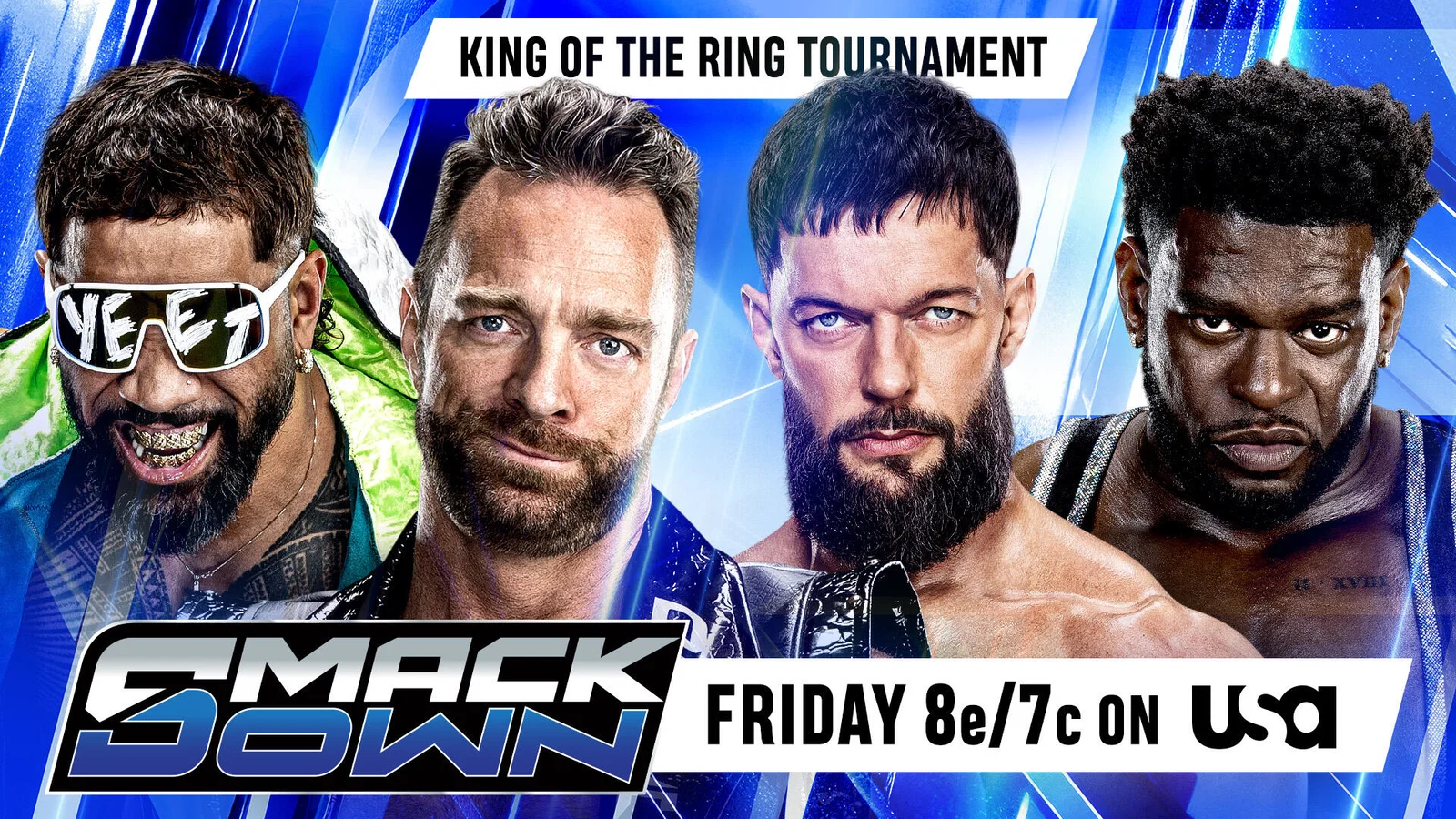
SmackDown’s Providence stop fails to build momentum for upcoming PLE
3 hours ago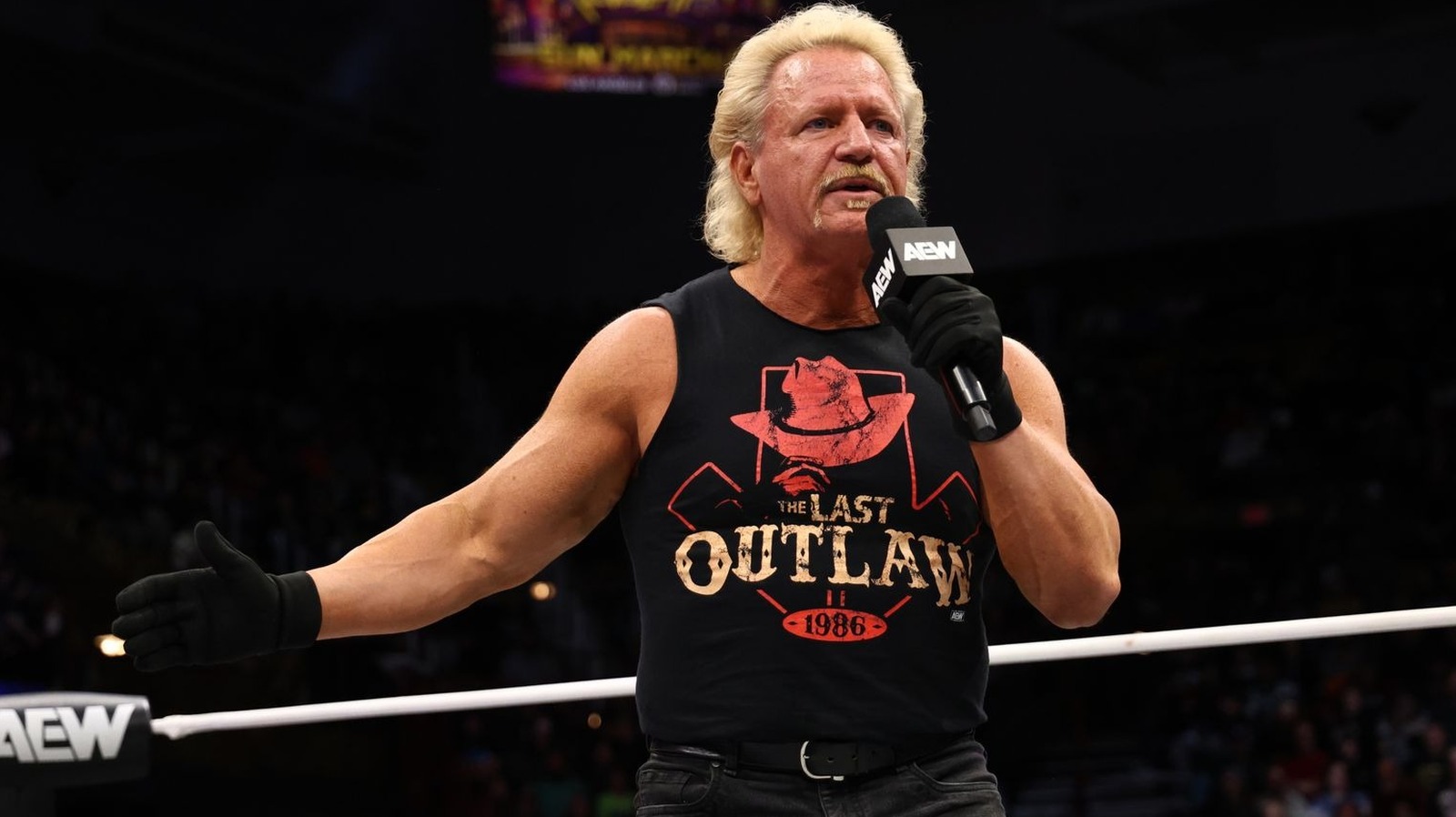
Corporate wrestling lawsuits always end with a whimper
3 hours ago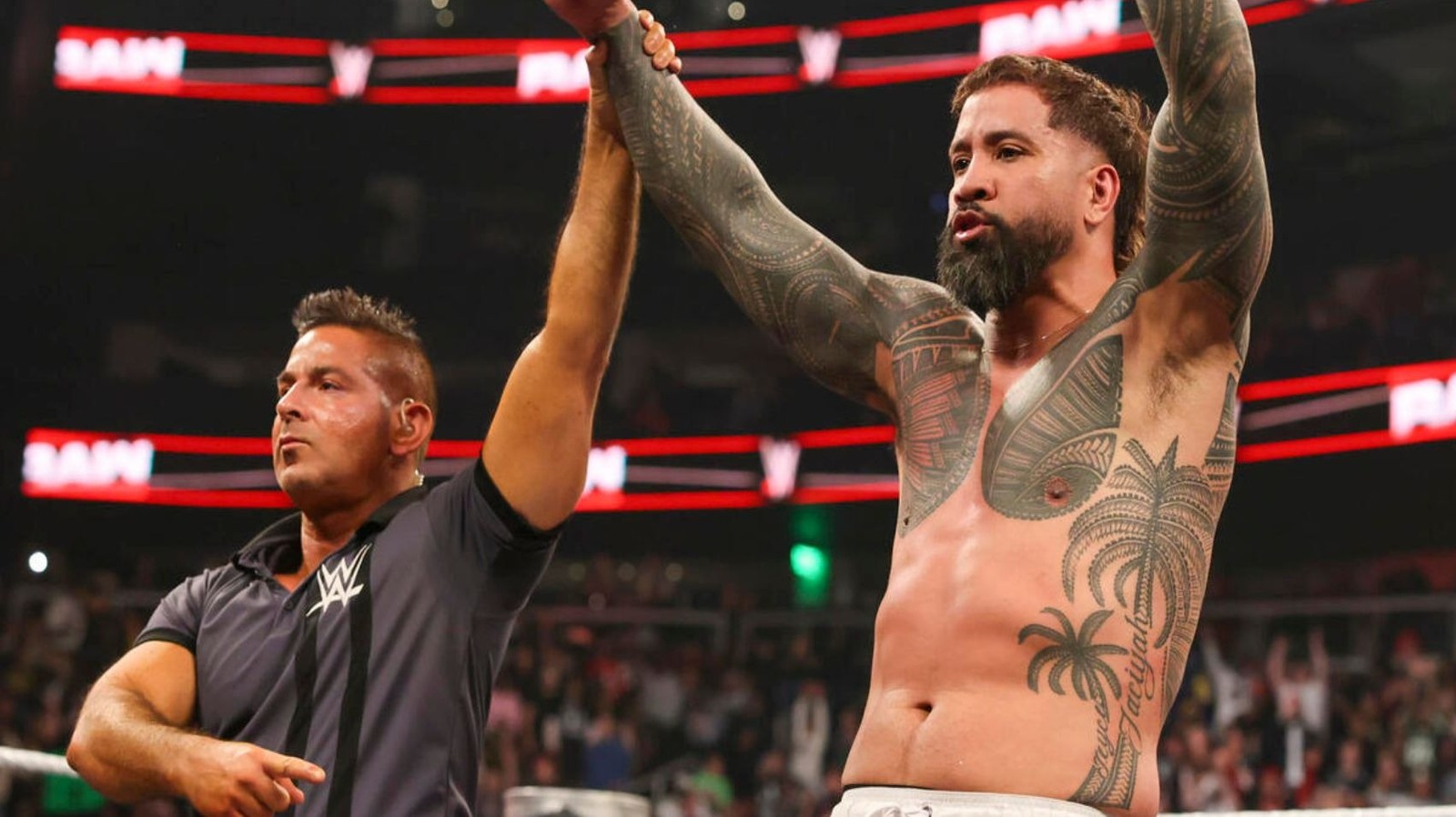
Top 10: Defining Moments in Wrestling History
3 hours ago
Rey Fenix is putting his gold on the line faster than expected
4 hours agoTiffany Stratton and Chelsea Green are playing a dangerous game
4 hours ago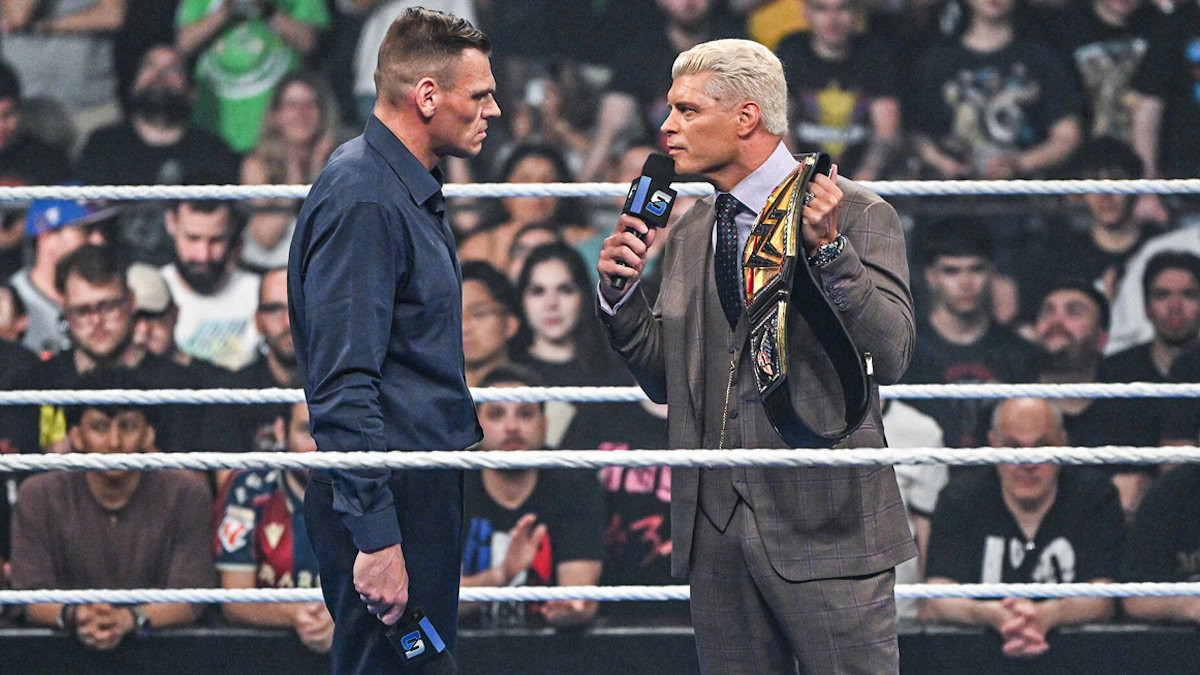
Sami Zayn is the wildcard in the Rhodes and Gunther rematch
5 hours agoMore Analysis
SmackDown’s Providence stop fails to build momentum for upcoming PLE
3 hours ago
MLW Fusion taping reveals key injury concerns amid New York event
3 hours ago
Corporate wrestling lawsuits always end with a whimper
3 hours ago
NJPW Dominion's main event is a massive gamble or a stroke of genius
3 hours ago
Top 10: Defining Moments in Wrestling History
3 hours ago