
Cody Rhodes and the heavy cost of carrying the WWE crown
The transition from challenger to anchor
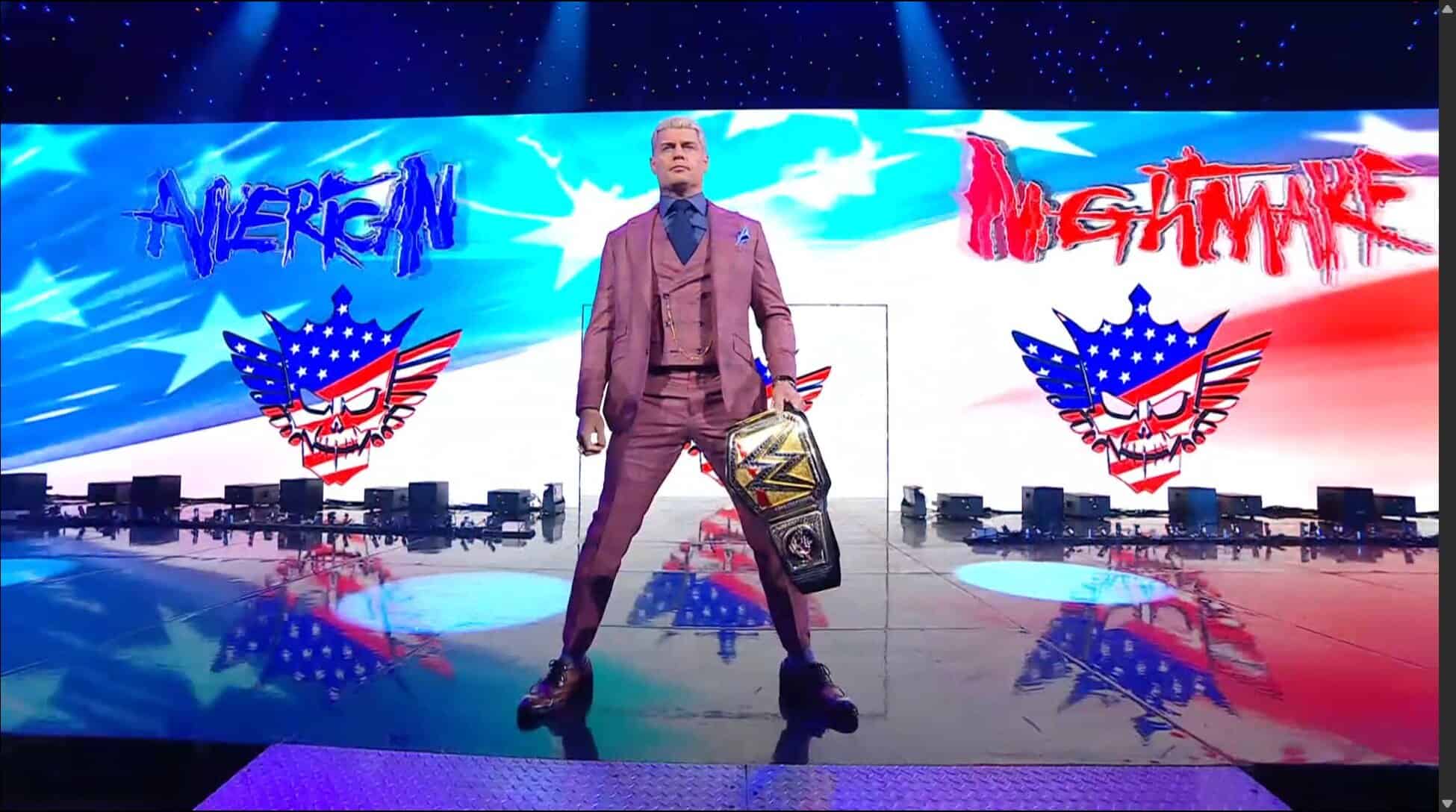
Cody Rhodes sits at the center of a booking paradox. The narrative arc that propelled him through the grand arenas of 2024 and 2025 has reached its natural conclusion, yet the daily grind of championship life offers no retirement for the character. Balancing the pageantry of a WrestleMania headliner with the repetitive stress of television cycles is a challenge that has buckled many before him.
Reports surrounding the friction in April suggest that the internal pressure is mounting. When the adrenaline of a stadium outcome fades, the reality of maintaining that momentum on weekly broadcasts requires a shift in style. Rhodes is no longer chasing; he is holding. That status change demands a different set of tactical adjustments in his ring work and promo cadence.
Institutional voids and the TNA example
The recent departure of Tommy Dreamer from TNA serves as a case study for what happens when the foundation shifts. As AJ Francis noted during his recent reflections, the loss of veteran presence creates a vacuum in locker room leadership. When Cody Rhodes reflects on his own work, he emphasizes the weight of his spot, mirroring the need for stability that Francis identified in his former mentor.
AJ Francis highlighted the specific impact Dreamer had on his own development, labeling him a guiding force.
The TNA exodus isn't just about personnel turnover. It is about the loss of institutional memory. When a veteran who managed product consistency exits, the younger talent is left without a critical feedback loop. The result is often a dip in match pacing and character logic that viewers notice within weeks.
The math of a champion’s schedule
We see the symptoms in the ring. Rhodes has maintained a high work rate, but the quality of his title defenses has faced scrutiny. For a performer carrying the company, keeping a 75% win rate across high-leverage television matches is standard, but the execution of these matches has become predictable. The reliance on signature spots—the cross-rhodes sequence or the late-game disaster kick—often telegraphs the finish to a knowing audience.
Critics point to the lack of fresh tactical variety in his primary challengers. When the same patterns appear in back-to-back months, the xG of crowd engagement drops accordingly. The creative team seems caught between preserving the prestige of the championship and the need to refresh the roster, leaving Rhodes in a position where he is forced to compensate for stagnant booking with sheer effort.
Risk management and locker room morale
The April outburst mentioned in recent reports isn't an anomaly, but a symptom of a compressed schedule. When the creative team runs short on ideas, the burden shifts to the performer to make thin material appear substantial. This creates a friction point that can sour locker room atmosphere. Even for a face as polished as Rhodes, the wall is inevitable if the support structure fades.
TNA's current struggle to fill the gap left by Dreamer mirrors this perfectly. Without established veterans to bridge the gap between creative directives and in-ring reality, the product becomes fragmented. If WWE continues to lean too heavily on a single star without rotating the supporting cast with purpose, they risk burning through their most valuable asset before the next major cycle resets.
Ultimately, the championship burden is not solely physical. It is an administrative and psychological grind. Rhodes hasproven he can reach the summit, but staying there requires a collective effort that currently appears strained. Whether he can recalibrate his approach or remains stuck in a booking loop defined by diminishing returns depends on how the company manages the talent around him.
Read Next
WWE Championship Mini Replica Belt
Feel like the champion with this detailed 12-inch replica of the Undisputed Titl
Frequently Asked Questions
Why is Cody Rhodes struggling as a champion?
What impact do veteran departures have on wrestling promotions?
How have the quality of Rhodes' title defenses been affected?
What is the primary cause of friction in the WWE locker room?
How does AJ Francis describe the role of veteran mentors?
More Coverage
Cody Rhodes is reaching a dangerous saturation point
2 hours ago
TNA is hitting a talent transition point after recent departures
2 hours ago
Cody Rhodes and the weight of the undisputed throne
2 hours ago
WWE’s latest Performance Center name is as generic as a default create-a-wrestler
2 hours ago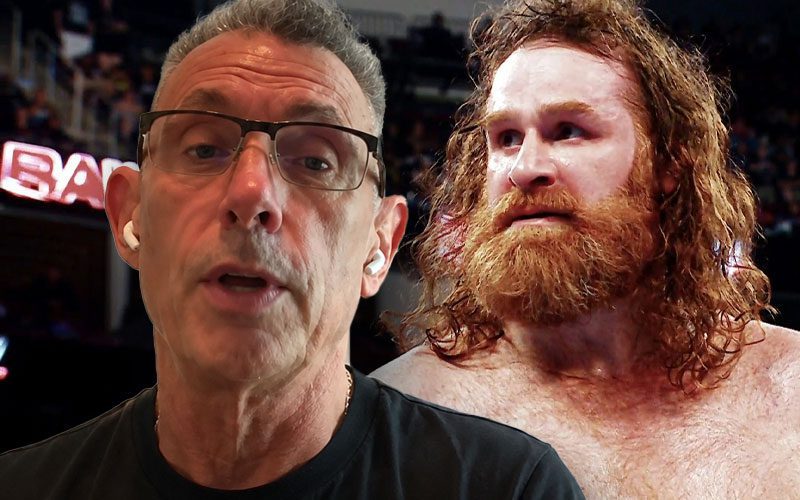
Top 10: WWE’s Most Defining Moments of the Modern Era
2 hours ago
Kendall Gray sidelined with persistent neck issues stalling WWE momentum
2 hours agoMore Analysis
Cody Rhodes is reaching a dangerous saturation point
2 hours ago
TNA is hitting a talent transition point after recent departures
2 hours ago
Cody Rhodes and the weight of the undisputed throne
2 hours ago
Kendall Gray's Shades of Gray finisher is either genius or a complete mess
2 hours ago
WWE’s latest Performance Center name is as generic as a default create-a-wrestler
2 hours ago