The missing archives of the Rhodes podcast
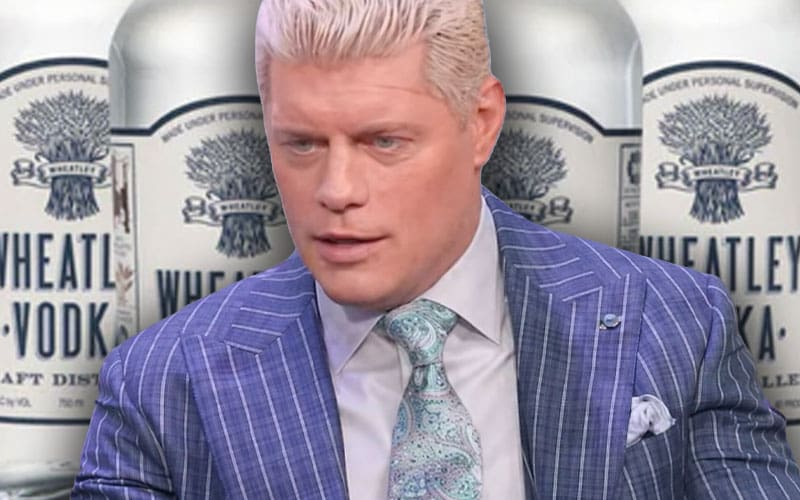
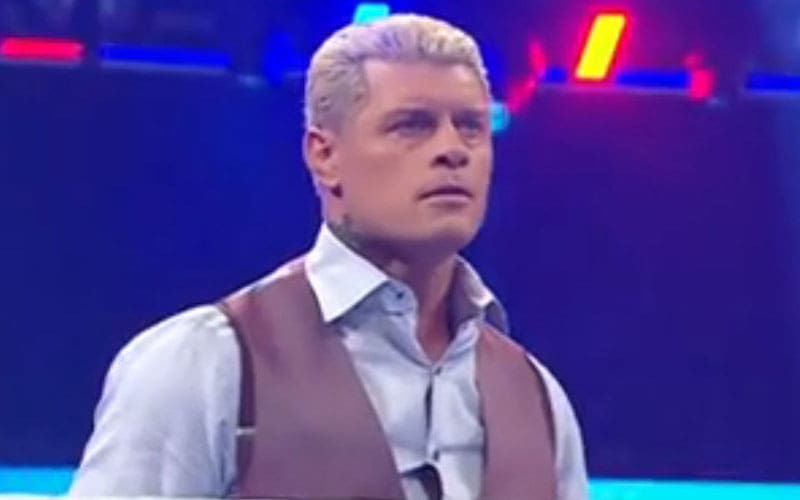
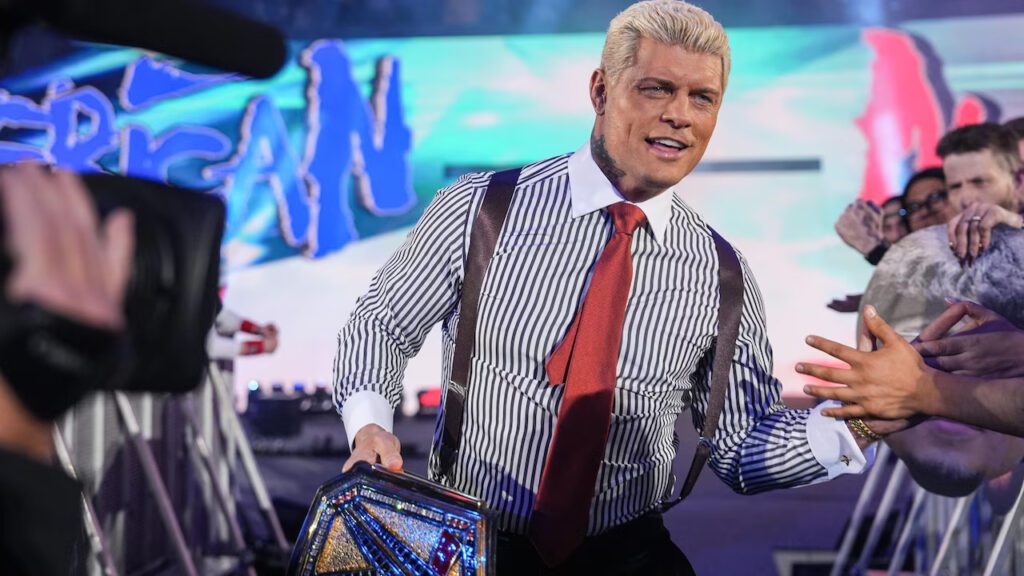
Earlier this year, Cody Rhodes teased a project that existed entirely outside the traditional WWE content silo. He suggested a series of recordings captured in a more relaxed, perhaps unfiltered, state. That project has officially hit the cutting room floor.
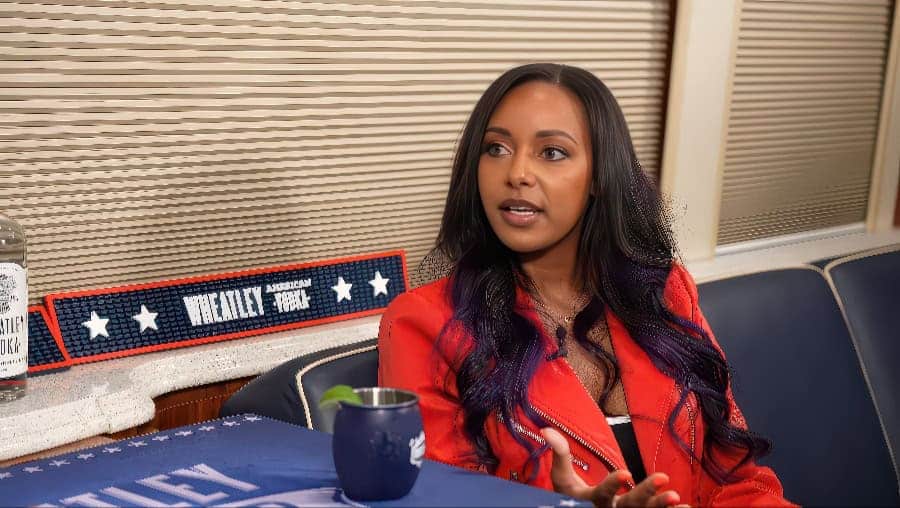
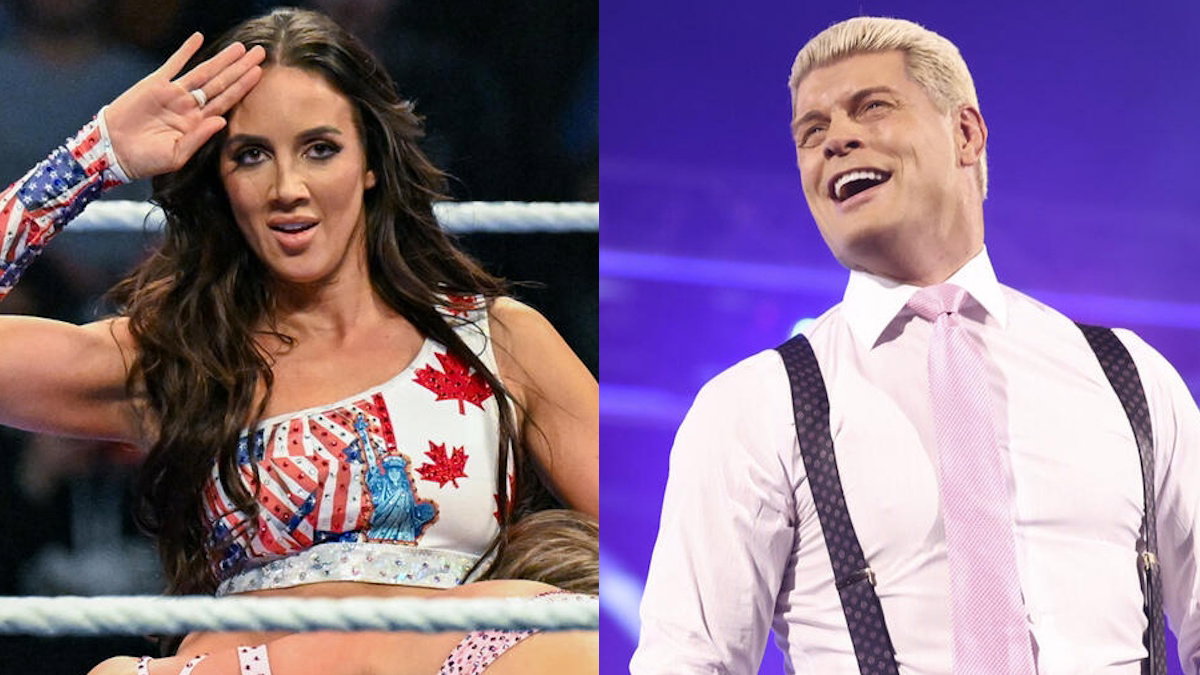
Chelsea Green recently confirmed she was a participant in an episode that will likely never see the light of day. While the industry thrives on behind-the-curtain access, Chelsea Green noted that the sessions were effectively consigned to the digital graveyard. It is a curious tactical pivot for a performer so invested in his own personal branding.
The polish of the modern era
WWE’s transition toward a more corporate, high-gloss presentation has been evident since the company shifted its logistical focus toward WrestleMania 41 in Las Vegas. There is little room for variance when every talent is a walking billboard for the brand. The fact that Rhodes would even consider a 'drunk' podcast suggests a desire to bridge the gap between performer and fan, yet the internal pushback reflects a rigid adherence to current corporate safety standards.
The loss of this content is a blow for those tracking the evolution of the roster. As Wade Barrett noted regarding the Nexus-era booking, momentum is easily discarded when management optics change. If a podcast does not fit the sanitized image of the current champion, it is wiped from the hard drive, regardless of the organic chemistry likely captured in those rooms.
Predicting the impact on creative output
Critically, this shows the boundaries of the freedom talent currently enjoys. We are told the era of extreme micromanagement has subsided, yet the vanishing of these recordings proves there are still immovable red lines in the sand. If the talent cannot control their own extracurricular output, the notion of genuine autonomy is just a convenient narrative.
The strategy here feels like over-correction. By restricting access to off-the-clock interactions, WWE creates an artificial distance that is becoming increasingly noticeable on screen. The product is cleaner than it has been in years, yet the lack of unfiltered, spontaneous moments is a liability.
My prediction for the remainder of this road to Las Vegas is that we will see more, not fewer, of these creative crackdowns. Expect the promos to stay within the lines, the interviews to follow a predictable beat, and the spontaneity to be carefully manufactured for social media snippets. It is a safe strategy, but it is one that will inevitably lead to a dip in viewer engagement after the spectacle of April 19.
Read Next
- Cody Rhodes at WrestleMania 41 needs more than just a victory lap
- WWE ID is actually changing how talent reaches the main stage
- WWE prepares for WrestleMania 41 in Las Vegas
- WWE's latest trademark points to a shift in ring performance
- 🏆 WrestleMania 41 — Full Coverage Hub
- 💥 WWE Backlash 2026 — Full Coverage Hub