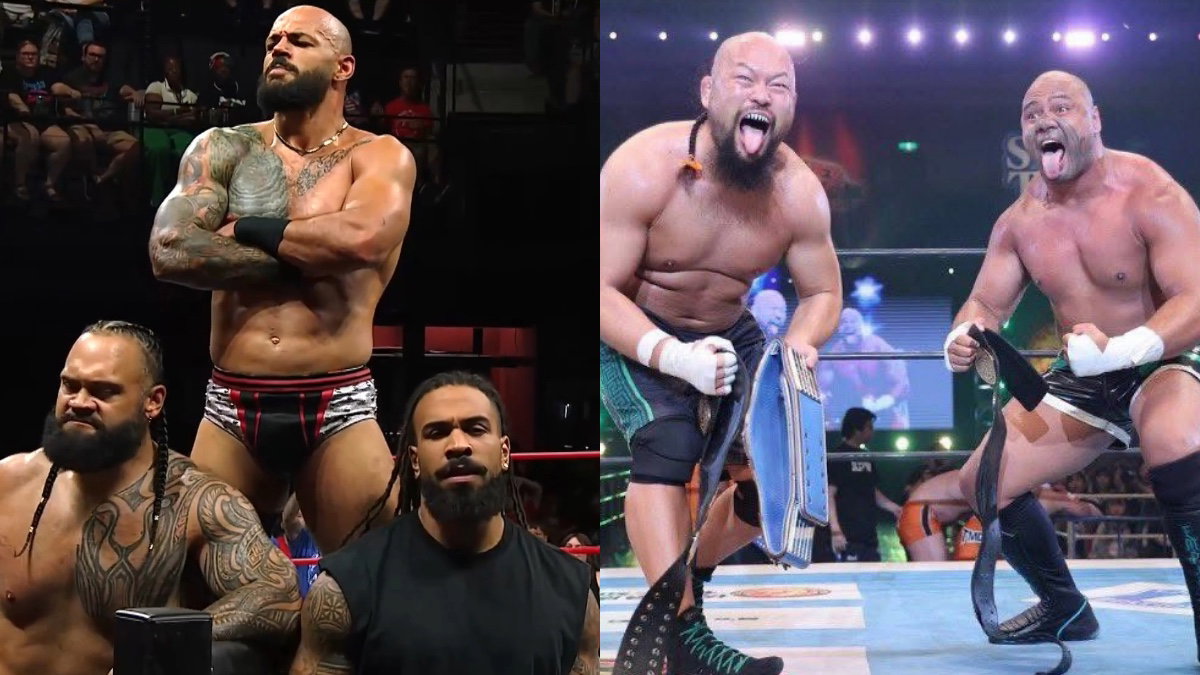
Creative stagnation is the real threat to Friday nights
SmackDown has lost its tactical edge
Professional wrestling thrives on the tension between predictable structure and spontaneous disruption. Looking at the SmackDown spoilers for this Friday, the current creative output is leaning entirely into the former. We are seeing a loop of booking that prioritizes brand stability over narrative urgency. The rhythm feels lethargic.
When a television product relies on the same faces and the same outcome patterns, the viewer disconnects. This is not about the talent pool; the roster has individuals capable of high-level technical execution. It is about how that talent is deployed across the two-hour block. When the closing segment produces the same beat-down sequence for the fourth time in six weeks, the viewer loses the stimulus to invest.
The cost of algorithmic booking
There is a dangerous similarity between the current creative process and the systems found in digital gaming, where results are governed by strict mathematical probability rather than organic growth. Much like the Random Number Generator mechanisms described in recent industry guides, modern booking feels like it is operating on a loop. It seeks to replicate a perceived fairness while stripping away the variables that make a show human.
Technical wrestling is best served by chaos. Instead, the current script demands hyper-predictable transitions. We see the same two-minute backstage interview segueing into a commercial break before a mid-card match that ends in a disqualification at the 14-minute mark. It is a rigid, mathematical structure that fails to account for how a live crowd actually reacts to momentum shifts. If the booking continues to serve an internal logic that ignores audience fatigue, the ratings ceiling will remain firmly in place.
Missing the chance for a refresh
The solution requires moving away from the safety of the current formula and experimenting with high-variance storytelling. Professional wrestling is at its best when the sequence of events is not transparent before the opening bell. When a match ends in a clean 1-2-3 finish in the first quarter of an hour, it breaks the monotony and signals to the audience that the show respects their time.
The writing team appears paralyzed by the need for massive arcs, ignoring the necessary micro-adjustments that keep viewers engaged week-to-week. The reliance on established main-event pillars to save every weak link in the roster is a failure of development. Rather than elevating new programs, the writers are recycling old ones, leading to matches that feel like reruns on a Tuesday afternoon.
The performance gap in 2026
We are mid-way through 2026, and the expectations for weekly content are higher than ever. The audience is analytical; they count the minutes between competitive bouts and notice when the work rate drops. When the output follows a loop, the intelligence of the audience is insulted. Professionalism in booking means knowing when to stop a trend and when to start something entirely fresh.
The lack of ambition in these scripts is startling. A show that should be a test of technical skill and personality is currently a sterile product. Unless there is a shift toward faster-paced segments and organic character arcs, the viewership will continue to churn. Simply having the stars on screen is not sufficient when the framing is essentially placeholder content.
The industry needs to recognize that the viewer knows exactly what is happening in the final segment before the show even hits the air. That isn't storytelling; that's attendance. Removing the mystery destroys the product, and currently, SmackDown is entirely devoid of it.
WWE Elite Collection Series 125 Joe Hendry Action Figure
Say his name and he appears—now in action figure form.
Frequently Asked Questions
Why is the current SmackDown booking considered ineffective?
How does algorithmic booking affect wrestling quality?
What is wrong with the current SmackDown show structure?
How can the creative team improve weekly engagement?
Why is relying on established main-event stars a problem?
More Coverage
Blake Monroe's arrival adds a much-needed jolt to SmackDown
an hour agoSmackDown is stuck in a loop of predictable booking
an hour ago
Top 10: Defining Moments of the Modern Wrestling Era
an hour agoTop 10: Defining Moments of the Modern Wrestling Era
2 hours ago
Crusherfest signals a shift in the independent scene
5 hours ago
The Liv Morgan injury scare reveals everything about modern fan anxiety
7 hours agoMore Analysis

AEW's locker room is basically a Regency era ballroom with more cardio
an hour ago
Naraku casting a long shadow over the NXT title scene
an hour ago
Rudy Hell is holding the fort while the indies scramble for relevance
an hour ago
Netflix drops WWE Unreal Season 3 ahead of SummerSlam
an hour ago
Blake Monroe's arrival adds a much-needed jolt to SmackDown
an hour ago