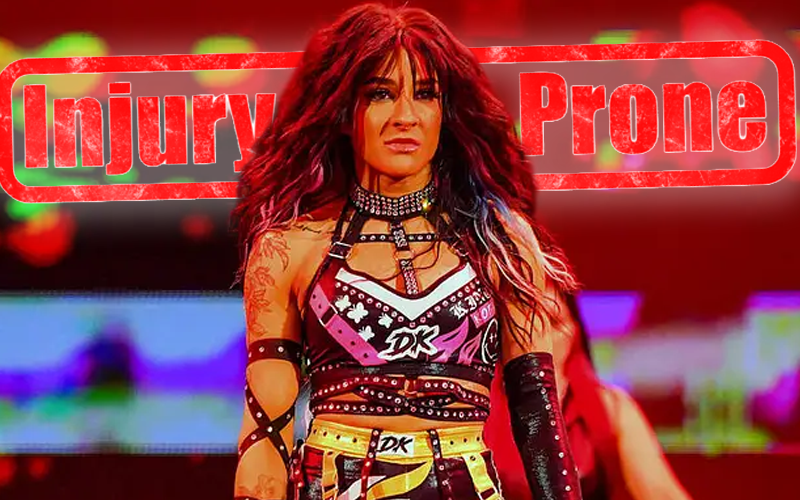
The physical reality behind the NXT weekly grind
The WWE Performance Center remains a high-stakes environment where the margin between a breakout performance and a season-ending injury is razor-thin. Following the May 26 broadcast of NXT, medical staff are monitoring several athletes after high-intensity bouts that pushed the roster to its limits. While the television product continues to lean into high-octane spots, the physical toll is becoming a recurring narrative for top-tier talent.
Dakota Kai has spent much of her recent tenure fighting against a reputation for durability issues. In a period marked by recent comments, Kai pushed back against the label of being injury-prone. She emphasized her strength and recovery capacity, citing the rigorous demands required to remain on the active roster in 2026.
Defining the recovery window
Injury management in modern professional wrestling involves a delicate balance of physical therapy and tactical load management. Kai, like many others navigating the intense schedule, faces a constant cycle of maintenance. When an athlete sustains a setback, the timeline for return is rarely linear. It depends heavily on the specific ligament involved and the nature of the previous scar tissue.
Historical precedents show that knee and ankle injuries in the Performance Center often lead to extended absences. When performers rush back, they face a 30% higher risk of re-injury in the first six months of competition. Management has tightened screening protocols as a result, aiming to mitigate the impact of lost time on creative booking.
Impact on NXT booking strategy
The volatility of the current roster has forced NXT leadership to adopt a more fluid booking style. When a standout performer is sidelined, the ripple effect is immediate, forcing mid-card challengers to step into main-event slots on short notice. While this provides opportunities for newer talent, it often happens at the expense of consistent, long-term story arcs.
One critical observation regarding the current training philosophy is the reliance on high-impact spots early in undercard matches. Critics argue that performing high-risk moves during the opener unnecessarily taxes the roster before they even reach the final segments of the broadcast. This stylistic choice, while aesthetically pleasing for fans, arguably sacrifices the longevity of the performers in the long run.
Strategic implications for the World Cup era
With the FIFA World Cup beginning in just 12 days, the focus is shifting toward maximizing television engagement while minimizing roster turnover. Industry competitors are watching these medical reports closely. If NXT athletes continue to miss time at current rates, the viability of the training-to-television pipeline undergoes a necessary stress test.
Resources are being shifted toward better recovery tools at the Performance Center, including advanced cryotherapy and workload monitoring systems derived from traditional team sports. The goal is simple: keep the performers healthy enough to maintain the grueling travel and filming schedule required to stay relevant in a crowded sports-media environment.
The road ahead
The medical team is expected to clear most of the lingering injuries by early July. For Kai and her peers, the objective remains clear: prove that their resilience outweighs the injury reports. It is a tough balancing act. The roster is deeper than ever, but the intensity required to claim a spot at the top of the card shows no signs of slowing down.
Whether the existing roster depth can sustain the industry through the next quarter depends entirely on health. Injuries remain an unfortunate mechanical reality, not just a career setback. Every bout, every bump, and every training session carries a cumulative cost that staff are tracking with unprecedented precision.