The wear and tear reality
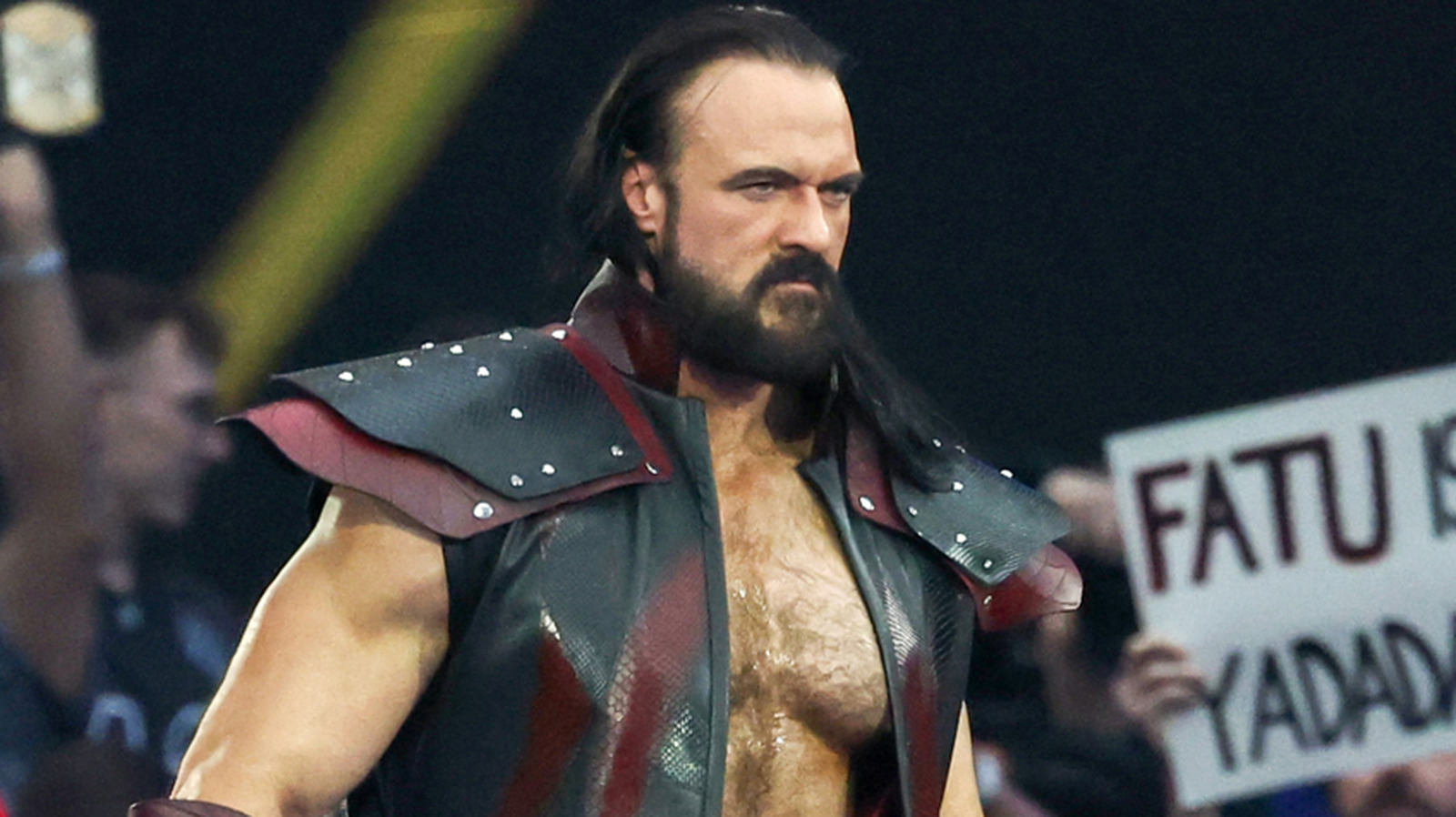
Damian Priest is officially entering the maintenance phase of his professional wrestling journey. The current WWE Tag Team Champion recently addressed the physical reality of his career, confirming he is actively listening to his body to determine his longevity. For a performer who built his reputation on high-impact agility and a relentless schedule, this shift in focus marks a move toward preservation.
Priest acknowledged that while he remains at peak performance right now, he is not blind to the long-term cost. Many performers in the industry face this fork in the road usually after a decade of steady travel and ring time. He stopped short of setting a hard exit date, but he noted that wrestling into his 50s is a prospect he approaches with heavy caution. Sustaining the intensity required for championship-level matches requires a degree of discipline that only becomes more demanding with each passing year.
Strategic pivots outside the ring
The transition toward protecting his health coincides with an expansion of his career horizons. Priest is pivoting into voice acting, most notably stepping into the role of The Hood for the upcoming Marvel Rivals video game. This development is a pragmatic move for talent looking to remain visible to fans without absorbing further physical impact.
These extracurricular projects serve as a backup to the inevitable physical decline that all full-time talent faces. As Wrestling Inc reported, his ability to secure high-profile cultural opportunities suggests a strong brand position regardless of his active wrestling status. This is a common path for veterans, though success relies on maintaining the same intensity off-camera that defines their work inside the ropes.
The booking and load management dilemma
WWE management faces a constant challenge in balancing the needs of their top assets with the reality of their physical limits. Priest recently appeared at a Somerset Patriots event to keep engagement high, highlighting the non-wrestling utility of their current champions. Booking top-tier talent in these peripheral appearances is a delicate dance between maximizing promotion and minimizing total body fatigue.
Critics often point out that the current pace of WWE shows can turn minor nagging issues into long-term setbacks if not handled correctly. Priest’s stated intent to listen to his body is a smart, albeit necessary, admission that the grind is finite. While he remains a central figure alongside stars like Roman Reigns, who is currently slated for Saturday Night’s Main Event, the focus for the tag division remains fragile.
Historical context and risk
The industry has seen this story play out dozens of times. Superstars who ignore the warning signs typical of the mid-career grind often face forced hiatuses that derail creative momentum. Priest is attempting to avoid that fate by integrating recovery strategies early. History favors those who acknowledge their limits; those who fight against them typically end up fighting for their careers in the operating room.
There is a glaring flaw in the current reliance on veteran talent to carry tag team divisions. If a primary star like Priest takes an extended cooling-off period, it creates a massive vacuum in the mid-card. WWE will eventually have to reconcile these preservation efforts with the need for a deep, healthy roster. For now, the champion is prioritizing his future health, which is the most professional path available to him.