The politics of the octagon
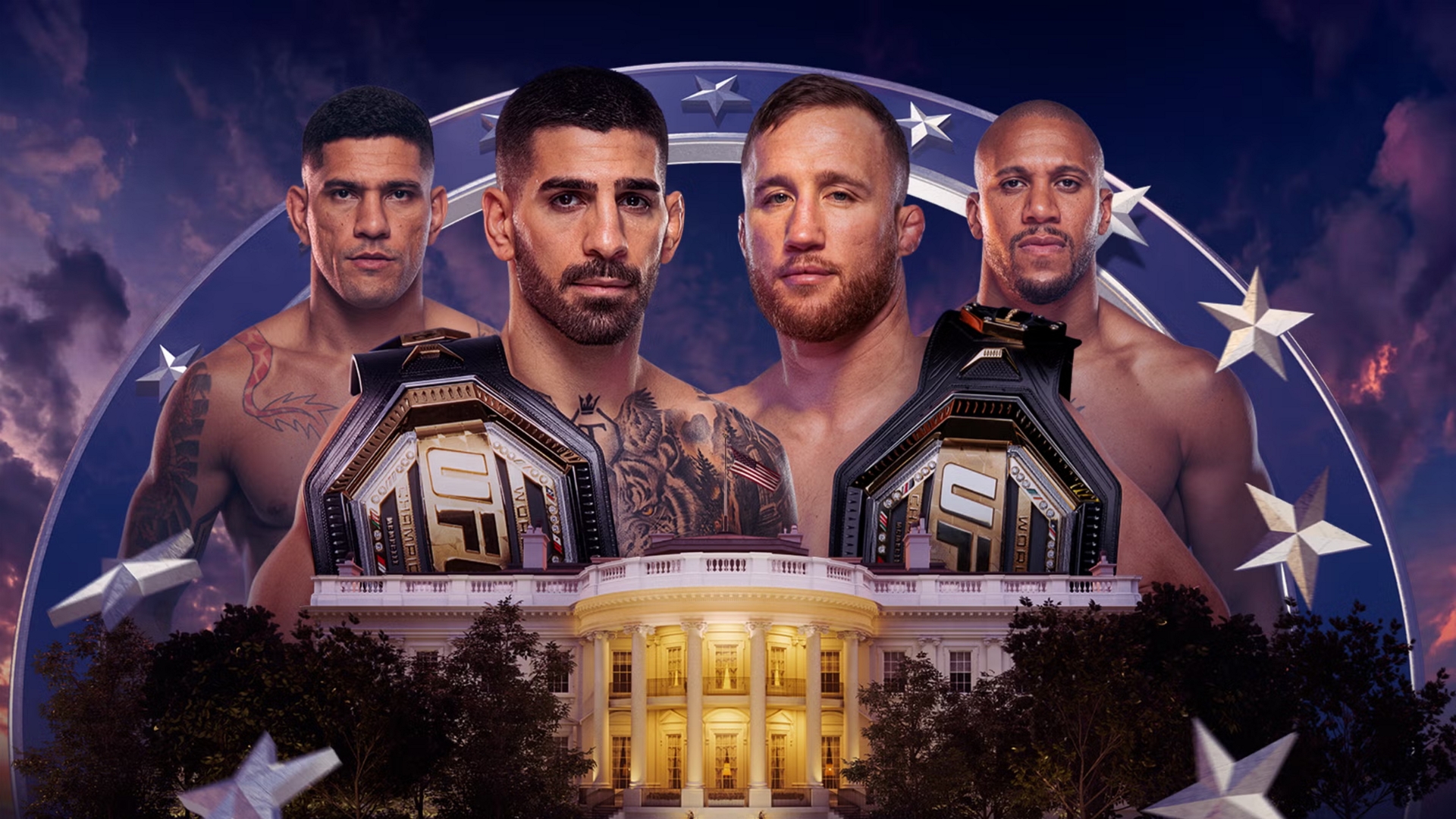
Dana White has always prided himself on promoting spectacles that veer outside the traditional boundaries of combat sports. By setting up a fight card at the White House, he is attempting to blend the visceral nature of the UFC with the highest visibility political theater available. White claims he expects the event to pull in viewership metrics mirroring the Super Bowl, a claim that relies heavily on novelty rather than the pure merit of the featured bouts.
This arrangement is less about the sport and more about the optics of access. As reported by F4WOnline, the pressure to deliver a ratings juggernaut is immense. Achieving mainstream saturation requires more than just high-ranked fighters; it requires a crossover event that justifies the logistics of hosting a sanctioned fight on federal property.
Analyzing the structural reality
The official fight card reflects a selection of fighters who bridge the gap between technical proficiency and marketable notoriety. However, balancing the constraints of the venue with the necessary intensity of professional mixed martial arts remains a persistent issue. The staging area will inevitably dictate the flow of the bouts, particularly concerning cage space and proximity to a non-traditional crowd.
My primary reservation involves the environment itself. A climate-controlled, intimate room lacks the kinetic hum of a dedicated arena, which often informs the pace at which fighters engage. If the pacing feels clinical or overly measured, the broadcast will suffer, regardless of the celebrity headcount in the audience.
The risk of the spectacle
The danger here is a lack of narrative cohesion. When a fight card is organized primarily for its location, the matchmaking sometimes suffers from the focus shifting toward PR rather than divisional progression. Critics will rightfully point out that prioritize venue prestige over competitive balance risks turning a legitimate sport into a government-stamped exhibition.
We must look closely at how the fighters adapt to a restricted atmosphere. Will they tighten their game to prioritize control, or will they swing for the fences to ensure a lasting highlight for the cameras? The difference between a tactical clinic and a sluggish decision will determine if this experimental card is viewed as a success or a vanity project.
My prediction for the headliner
I anticipate the main event will be defined by an early reliance on clinch work, as the fighters adjust to the unique lighting and crowd layout after the first round. While the marketing suggests a blockbuster, the technical reality will likely trend toward a tactical grind. The fight will probably go to the judges’ scorecards, with the fighter possessing higher volume output securing a narrow victory at the 25-minute mark.
I am picking a decision win because the stakes of this particular stage will keep the participants from taking unnecessary risks. It is a cynical take, perhaps, but it is the one most backed by the data on how cage fighters approach high-profile, non-traditional venues.