The Rise of a Very Nice, Very Evil Superstar
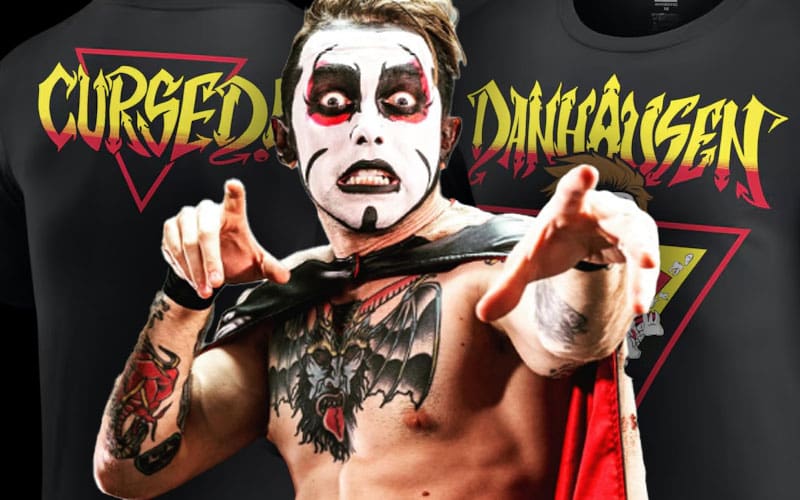
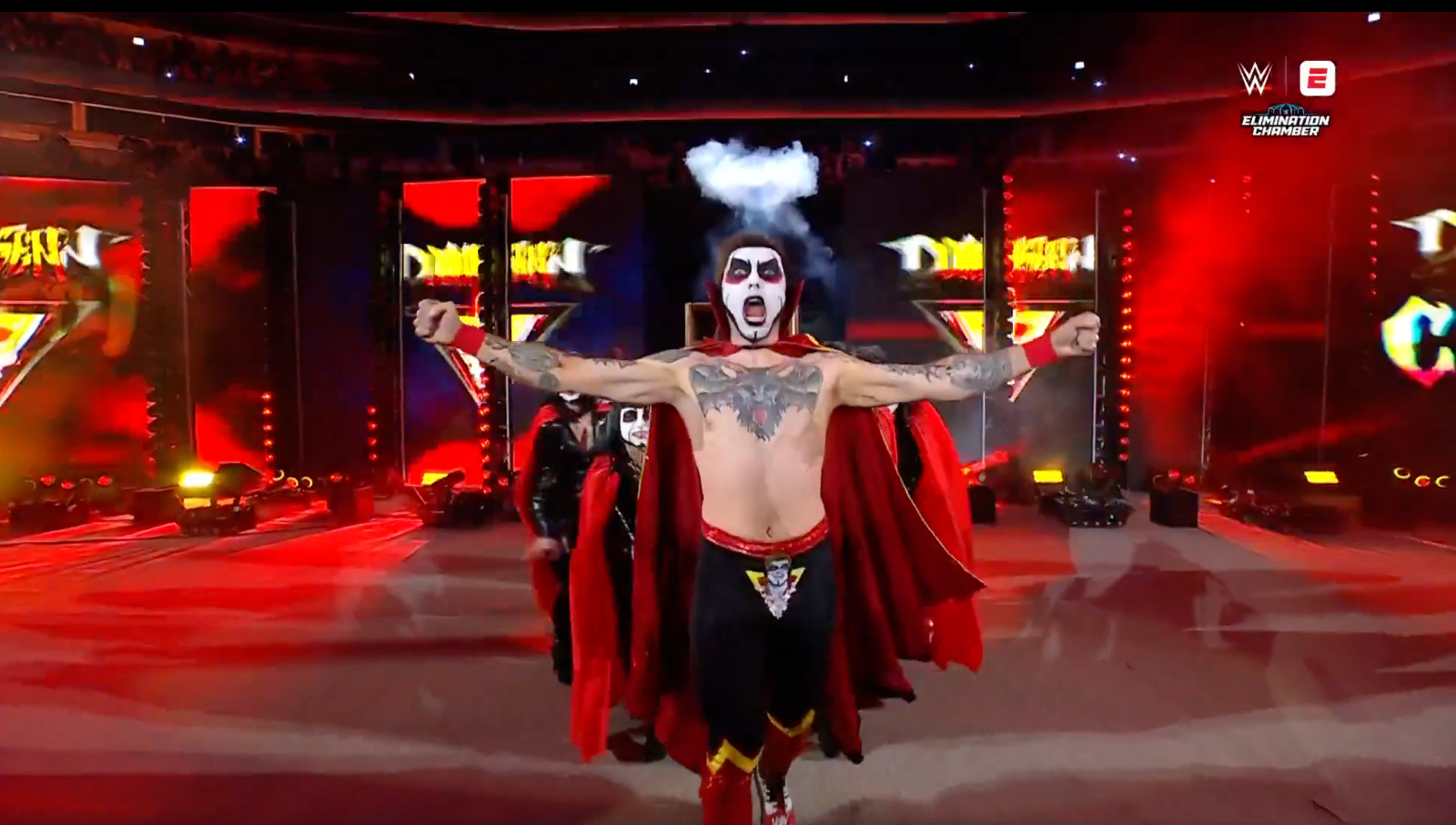
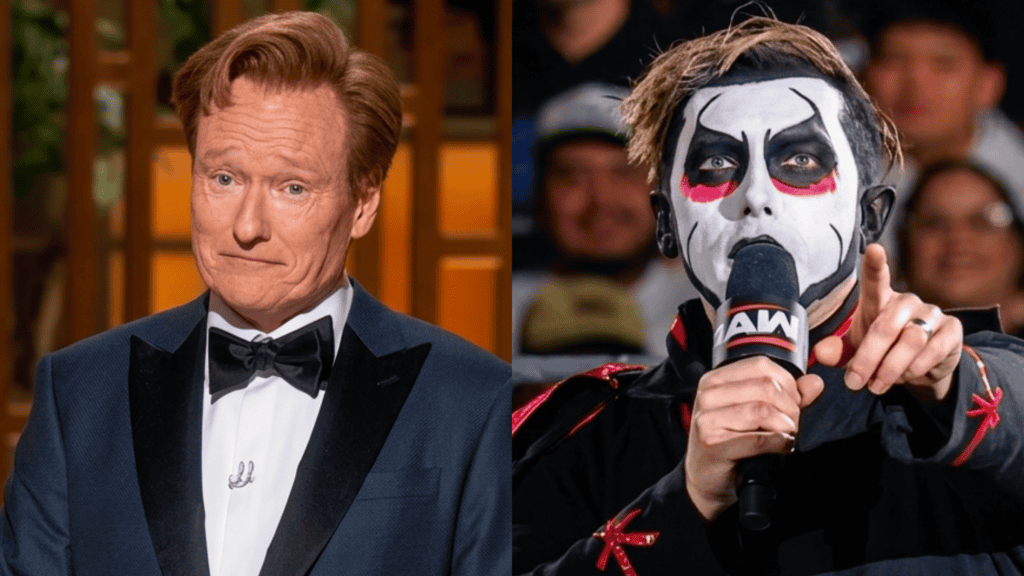
The wrestling world is buzzing following reports that Danhausen has officially transitioned to the WWE performance center. After years of defining his own path on the independent circuit, the move marks a stark shift in strategy for both the performer and the promotion. Conan O’Brien, who hosted the wrestler as a guest on his show, signaled the transition by publicly congratulating the performer on his recent WWE arrival.
For those tracking his career, this trajectory feels singular. Danhausen spent years meticulously crafting a character that thrived on surrealism, catchphrases, and an aesthetic that defies traditional wrestling archetypes. Moving to a company known for rigid creative control and high-end production values creates immediate friction. The question isn't just whether he fits, but whether he can survive the machine.
Creative Constraints and In-Ring Reality
Danhausen’s greatest strength is his character work. His ability to connect with audiences via social media and his podcast work is undeniable. However, his in-ring repertoire—often relying on comedy-heavy spots and unconventional strikes—needs to adapt to the more structured pacing found on the main roster. If he fails to diversify his offensive moveset beyond his established comedic persona, he risks becoming a novelty act destined for the lower card.
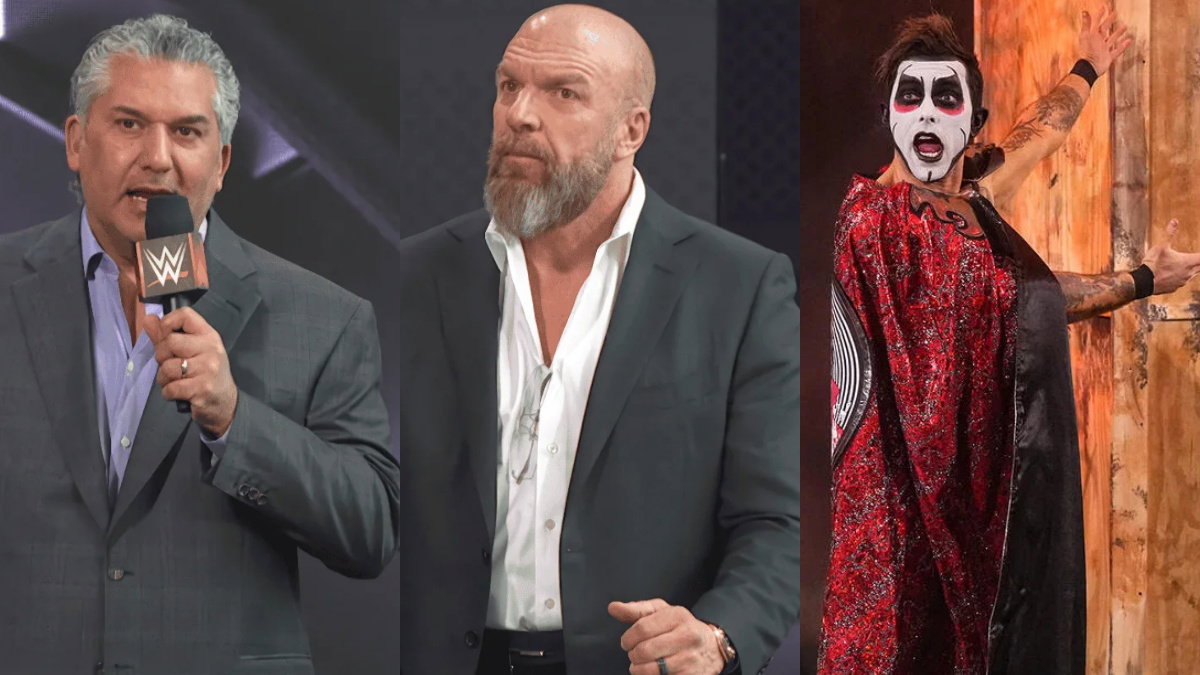
History shows that indie darlings often struggle when their creative autonomy is stripped away. Vince McMahon’s era frequently forced characters to sanitize their quirks, and while Triple H’s creative direction offers more room for nuance, there is zero guarantee that a gimmick as specific as a "cursed" talk-show lover will resonate with the average RAW or SmackDown viewer. He needs a high-profile feud immediately to prove the character has depth.
The Timeline and Probability
Industry insiders suggest a developmental stint is the most likely initial step. Expecting him to appear on the main roster before WrestleMania 41 is a stretch that ignores standard WWE procurement protocols. He will likely spend the next 3 to 6 months refining his work at the Performance Center, learning the "WWE Style" of television production to ensure his character beats land for the cameras.
The probability of this transition sticking long-term is moderate. While he has a massive, built-in audience, he faces immense competition in a bloated mid-card filled with athletes who are more technically proficient. Success will depend on his willingness to accept, rather than fight, the corporate structure. If he cannot find a balance between his creative impulses and the booking team's vision, his shelf life will be short.
Assessing the Impact
If handled correctly, this signature offers WWE something they have lacked: a genuine, organic oddity. WWE’s roster is often criticized for becoming too uniform, with too many "tough guys" blending together. Injecting a character who can legitimately command attention through charisma alone could shift the dynamic in the mid-card.
However, the move comes with baggage. Bringing in talent known for a specific, independent-centric style often frustrates fans who feel the promotion dilutes the wrestler's "soul." If we see the character stripped of his signature voice or his dark edge, the fans who followed him from the indies will turn on him instantly. The window to succeed is narrow, and the scrutiny from day one will be intense. The pressure is currently at 100 percent regarding his ability to translate his cult following into mainstream television ratings.