The wrestling world felt a bit surreal this week, oscillating between bizarre celebrity inductions and the grind of mid-card title defenses. As we approach the spring spectacle season, the focus remains split between legacy acts and the ongoing struggle to define the next generation of stars.
Dennis Rodman enters the WWE Hall of Fame
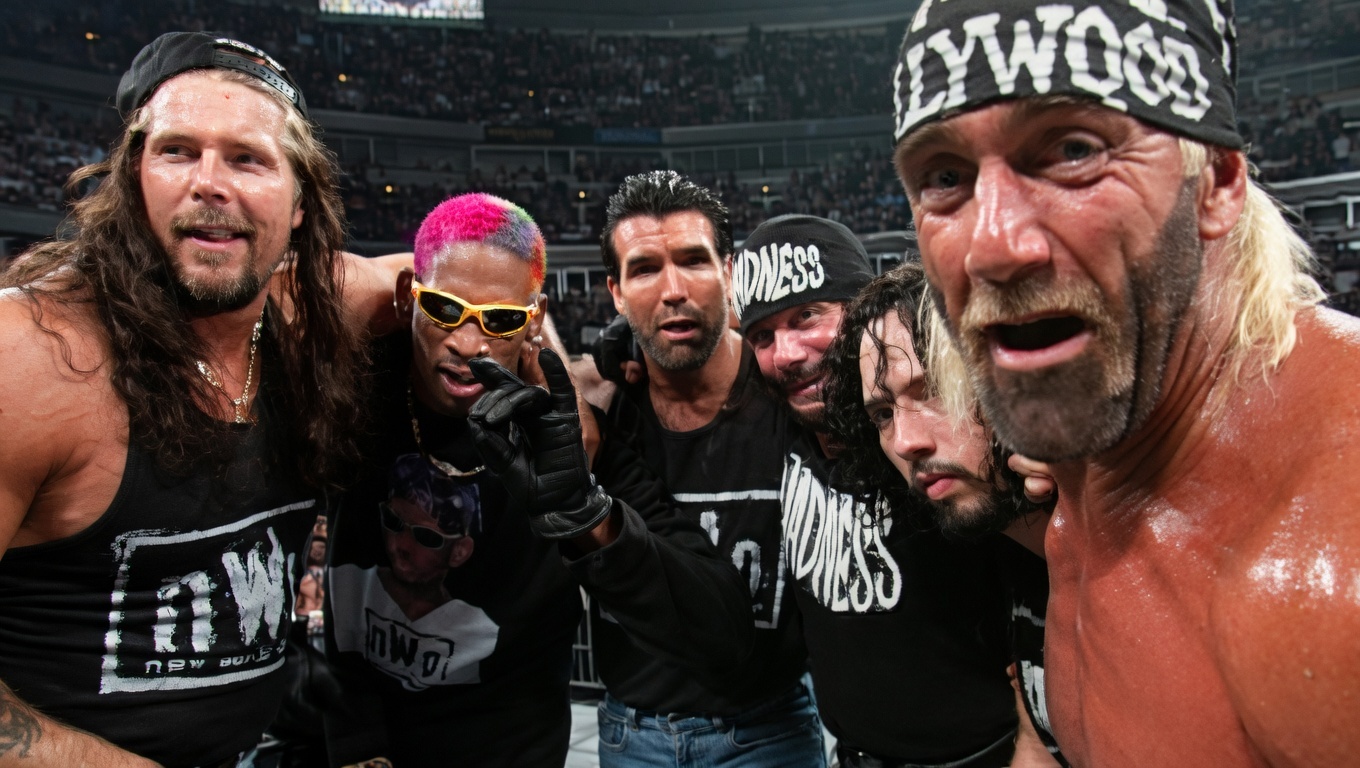
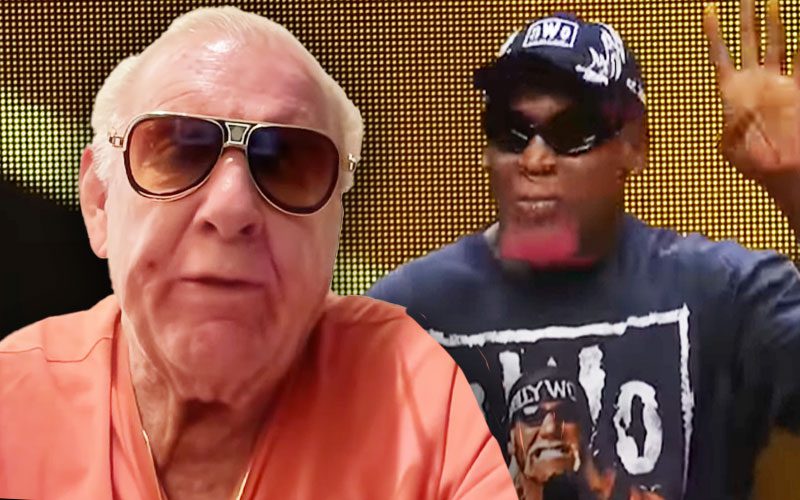
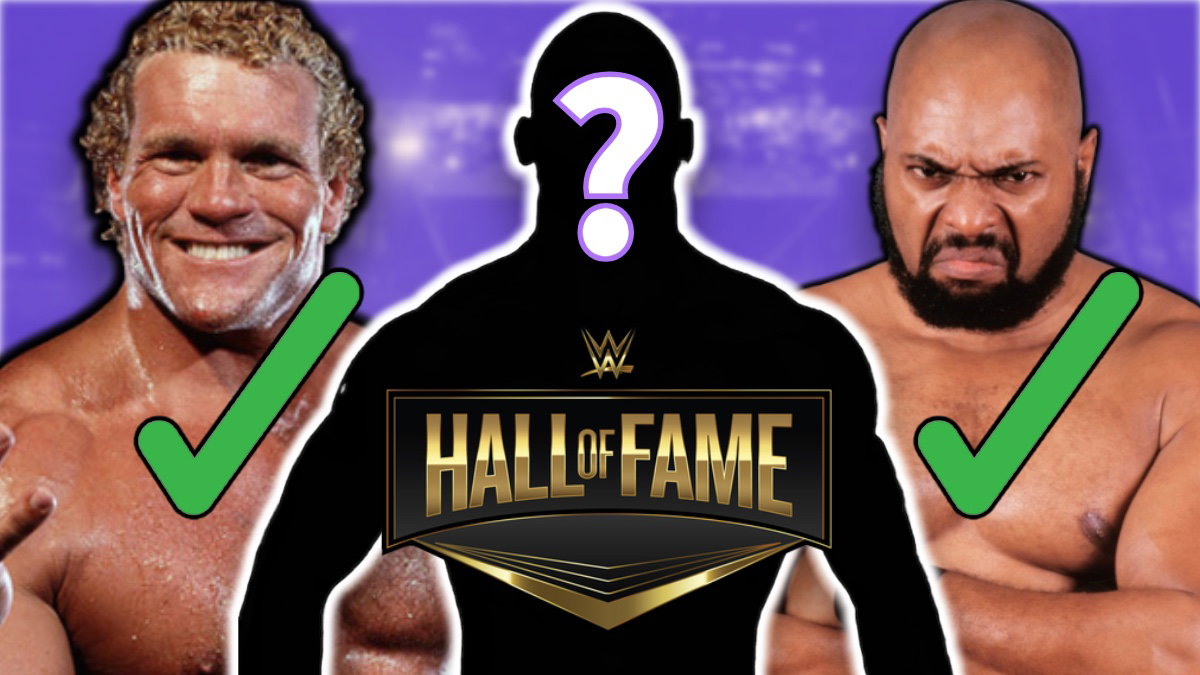
WWE’s decision to induct Dennis Rodman into the Hall of Fame feels like a throwback to the peak of the Monday Night Wars. While Rodman’s involvement in WCW was undeniably high-profile, his inclusion in the 2026 class highlights a reliance on mainstream crossover appeal rather than strictly in-ring contributions.
Bringing in a celebrity of his stature creates headlines, but it does little to address the current roster's need for spotlight. One has to wonder if this move is intended to draw eyes from casual fans who haven't tuned in since the nWo days, even if those same fans might find the modern product unrecognizable.
AEW struggles to find momentum on Collision
AEW's Saturday night slot continues to feel like a holding pattern. The recent card featured Kyle Fletcher defending his TNT Championship against Robbie Eagles, a matchup that offers high-quality work but lacks the television hook required to drive ratings in a competitive weekend window.
The promotion is currently navigating a period where titles are changing hands frequently, yet the stakes feel increasingly lower. When performers like Mercedes Mone lose multiple championships, the immediate aftermath should feel like a seismic shift, yet it currently feels like background noise in a crowded, often confusing booking cycle.
The WWE ID expansion and developmental woes
WWE is pushing hard on its developmental front, with new indie talent appearing under new monikers at recent EVOLVE tapings. This strategy of hoarding talent under the WWE ID banner is a clear move to monopolize the upcoming generation of independent wrestlers.
However, the execution remains disjointed. While securing talent is one thing, developing them into television-ready stars is another. The recent incident involving an OVW referee suffering a brain bleed serves as a grim reminder of the physical cost of the business, regardless of where these athletes are in their development chain.
Randy Orton and the SmackDown shuffle
Randy Orton remains the most reliable anchor in the WWE ecosystem, but his recent attack on Matt Cardona on SmackDown felt like a placeholder feud. Chelsea Green’s vocal reaction to the segment, while entertaining, highlights the thin line SmackDown is walking regarding its mid-card character development.
The company is clearly teasing heel turns for several performers to freshen up the blue brand. Without a clear narrative direction, these pivots often feel like they are happening because the creative team has run out of ideas for babyfaces, rather than as a natural progression of character arcs.
The geopolitical shadow over international events
A looming concern for the industry is the stability of international partnerships. Reports regarding potential cancellations of Saudi Arabia events due to global tensions have cast doubt on the financial roadmap for the year. WWE jobs could be at risk if these high-revenue shows are pulled from the calendar.
This isn't just about scheduling; it’s about the vulnerability of a business model that relies so heavily on foreign investment. If these events are compromised, the ripple effect on the talent roster and production staff could be significant.
Looking Ahead
With WrestleMania 42 fast approaching, the betting markets are already signaling massive upsets, specifically regarding Brock Lesnar's potential role. Expect the next few weeks to be defined by frantic last-minute storytelling as WWE tries to bridge the gap between its current status quo and its biggest stage of the year. Meanwhile, AEW must find a way to make their championship transitions feel consequential again or risk losing the interest of an already fickle Saturday night audience.