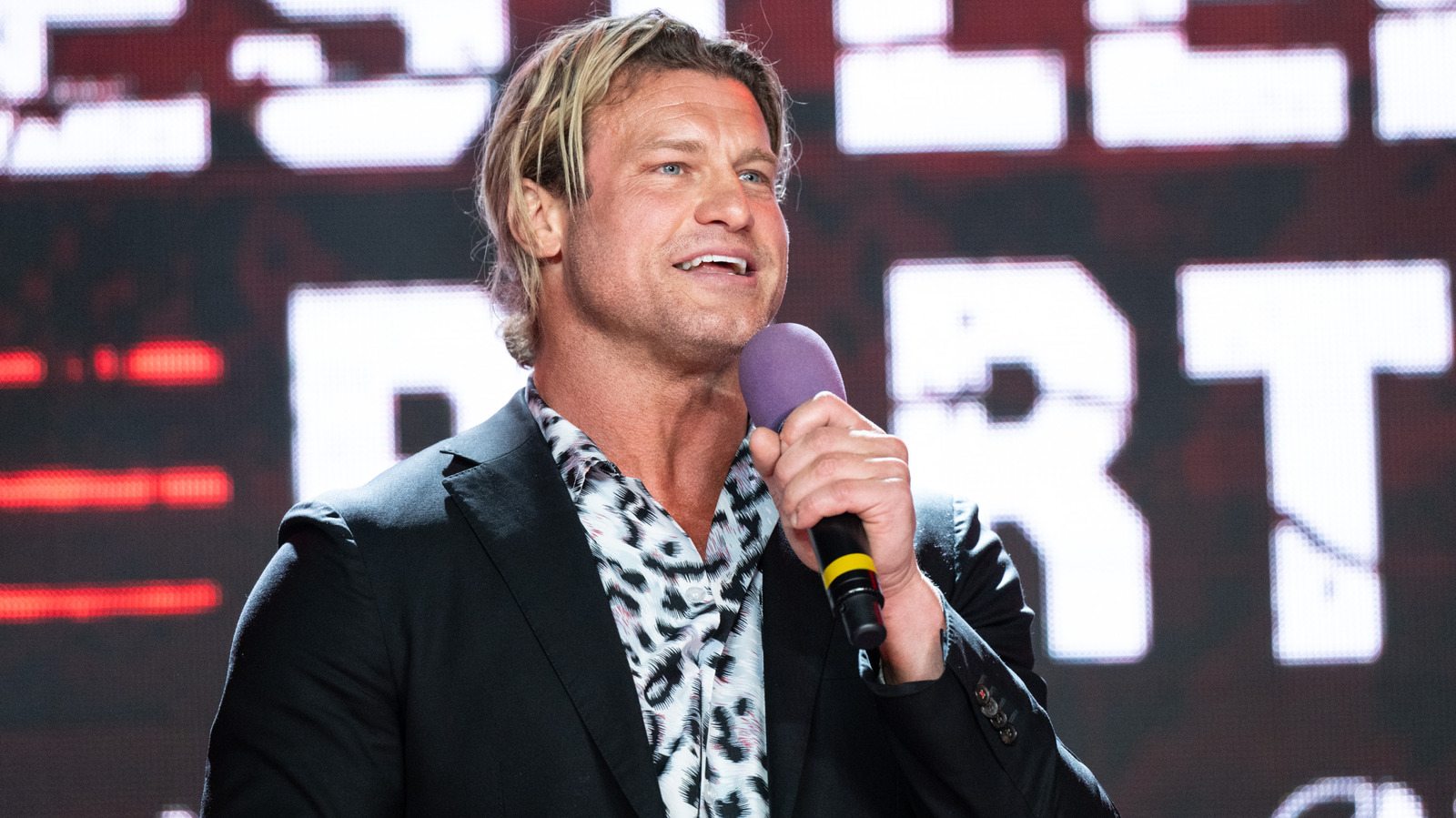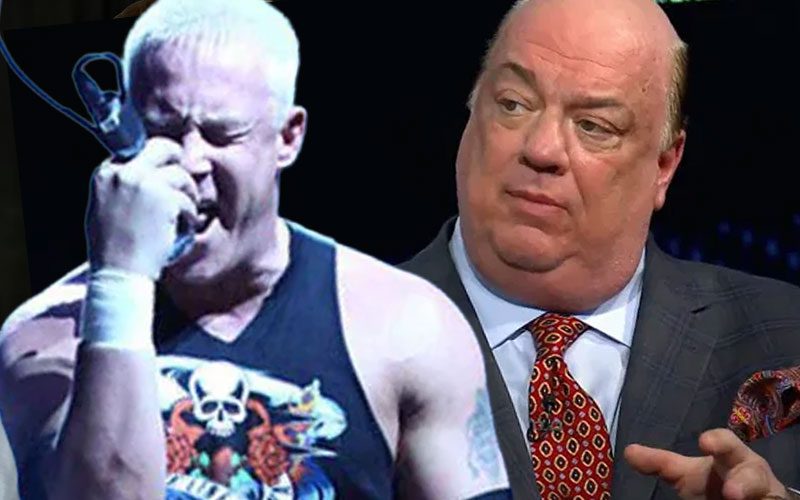
Ziggler faces a lengthy rehab following recent shoulder complications
Nic Nemeth, known to WWE audiences as Dolph Ziggler, is currently sidelined with a severe shoulder injury sustained during a house show circuit match in late May. Medical evaluations confirmed a grade two rotator cuff tear, effectively removing him from active competition for the foreseeable future. The injury occurred during a transition sequence involving a high-impact superkick, a move that has historically been the hallmark of his high-velocity wrestling style.
This is not the first time Ziggler has encountered significant physical roadblocks in his career. His tenure has been periodically interrupted by bouts of concussion-related absences and minor lower-limb ailments. However, shoulder damage of this classification requires a strict immobilization phase to avoid surgical intervention. Without a clear path to recovery, the company's creative plans for his involvement in upcoming summer events have been scrapped entirely.
The strategic void in the mid-card division
The absence of such a durable veteran creates a measurable gap in the weekly programming. Ziggler functioned as the primary litmus test for emerging talent, providing the necessary intensity to elevate younger wrestlers during televised segments. Without him, the mid-card lacks a reliable anchor who can execute flawless transitions between high-flying offense and mat-based psychology. His presence allowed for consistent 15-minute segments that reliably bridged the gap between opening bouts and main events.
Competitors like Austin Theory and Grayson Waller are expected to fill the void, though their inability to match Ziggler’s experience in controlling crowd engagement remains a point of concern. Management is currently scrambling to reconfigure upcoming television slates to compensate for the lost time. The creative team has struggled to replace the organic heat Ziggler generated during his tenure, a common critique of recent booking decisions which often prioritize spectacle over established in-ring logic.
Assessing the long-term career outlook
Returning from a shoulder injury at this level is rarely a linear process. Even with elite physical therapy, maintaining the necessary explosive torque required for his signature maneuver set is difficult. History indicates that talent in this position often shifts toward a more grounded style upon return, sacrificing the speed that defined their peak years. His ability to hit the Zig Zag or effectively sell an opponent's finish depends entirely on the stability of his upper extremities.
Backstage morale among the veteran contingent is reportedly hit-or-miss, as the loss of a foundational worker places extra burden on the remaining roster members who are already navigating a packed summer touring schedule. As reported by Ringside News, the value of iconic presentation and persona work remains high, yet it cannot compensate for health failures. The reliance on performers to work intense house show schedules, including back-to-back weekend dates, continues to be a subject of internal debate regarding injury prevention strategies.
Management has not finalized a return date but private estimates suggest a minimum window of 4 months before he is cleared for standard physical exertion. Any acceleration of this timeline increases the risk of permanent joint damage. For now, Ziggler is prohibited from training at the Performance Center, leaving a significant void in the training environment for newer developmental prospects who benefit from his veteran oversight and technical feedback.