The messy truth about being a legacy act
If you were a wrestling fan in the early 2000s, you remember the custody ladder match. It’s one of those milestones that sits alongside the Montreal Screwjob or the debut of the Shield, except it involved a little kid with a bowl cut instead of a title belt. Dominik Mysterio standing in that ring while Eddie Guerrero and his dad tore the house down at SummerSlam 2005 was supposed to be a touching moment. Turns out, the poor kid was just a glorified prop in a storyline that felt slightly deranged even by Vince McMahon’s standards.
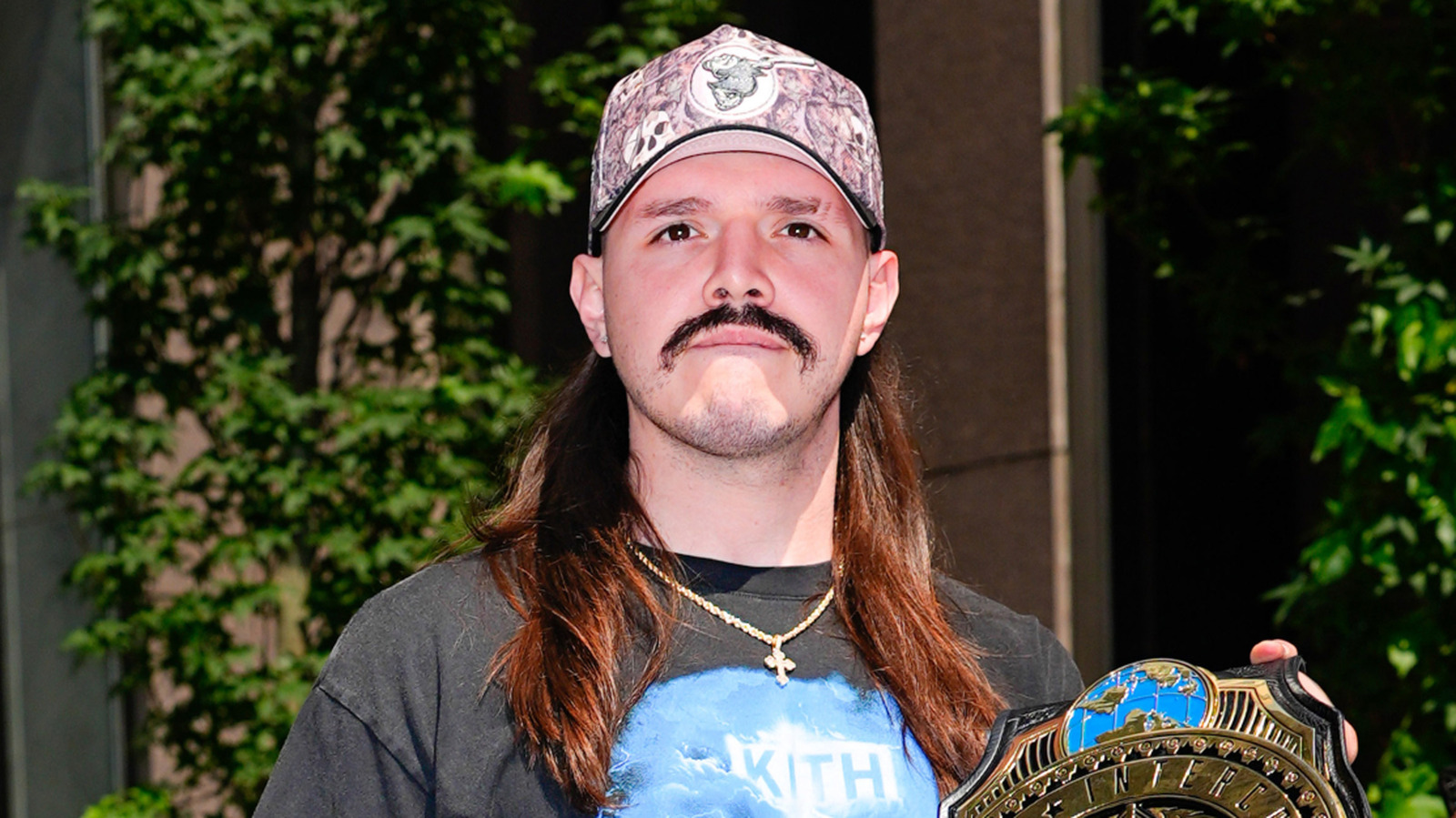
Dominik recently dropped the reality that being a child on WWE television wasn't exactly a fun playdate. He didn't enjoy the spotlight being shoved in his face while middle-aged men screamed about paternity tests. Everyone treats these second-generation stars like they were born in a wrestling ring, lacing up boots in the nursery. In reality, being the son of one of the greatest luchadors ever meant being a pawn in a game you didn't even agree to play.
The scars of 'I'm your Papi'
People look at Dominik now and want to talk about his heat magnet status in the Judgment Day. They forget that before he was getting booed out of the building in generic arenas, he was 'little Dominik' being dragged into the chaos of the Smackdown six-man rotation. Imagine being a ten-year-old kid in school, and your dad’s boss has turned your family’s actual legal drama into a pay-per-view spectacle. That isn't just wrestling booking; that is a psychological weirdness that most people would need a decade of specialized therapy to unpack.
The industry loves to romanticize the legacy path, but let's be honest about the cost. It turns kids into products before they have a chance to figure out who they are. Wrestling fans can be some of the most irrational people on the planet. We project our own childhood nostalgia onto these performers, expecting them to be perfect mirrors of their parents. When they don't jump high enough or work a perfect 619, we treat it like a personal betrayal of the business itself.
The transition from prop to performer
Dominik’s career path is wild if you look at the raw data. He didn't start with a decade of grinding in the indies or working the Tokyo Dome mid-card. He was fast-tracked because of his name and a storyline that ended almost two decades ago. Now, he plays the heel with this arrogant, smirk-filled energy that is genuinely elite. Maybe that disdain for the public eye is exactly why he’s so good at playing the villain. He knows exactly how vacuous the wrestling spotlight feels because he had to experience it without a choice.
Some fans still whine that he isn't his father. Good. If he were just a Rey Mysterio cover band, he would be buried in the mid-card by now alongside other legacy acts who couldn't find their own rhythm. Instead, he leaned into the absolute absurdity of his own history. Watching him get slammed into the mat by Rhea Ripley or playing off the Judgment Day dynamic proves he’s finally writing his own checks. He is using that childhood trauma of being an unwilling guest star and turning it into heat that the rest of the roster would kill to have.
The booking blind spot
Even with his current success, we have to acknowledge the creative rot that haunts the WWE. There is a tendency to lean on nostalgia until it turns into dust. Putting Dominik in these high-profile angles early on was a shortcut that nearly ruined his development. If he’d flopped, the company would have just tossed him aside like a broken folding chair. The fact that he’s actually carved out a niche is a testament to his own endurance, not the brilliance of the initial booking. Too many young guys coming into the business get burned by the expectations placed upon them by their fathers' reputations, and frankly, management is often the one holding the matches.
It’s time we stop looking at Dominik as the kid in the ladder match and start looking at him as the guy holding the show together. Whether he’s getting thrown through a table or cutting a promo in a cheap suit, he understands the assignment better than half the main event scene. Just don't ask him to revisit his childhood, because that trip down memory lane is paved with bad memories and way too much corporate interference. He has managed to escape the shadow of the mask, even if the crowd keeps trying to pull it back over his head. For a guy who never asked for the attention, he’s doing a hell of a job making us all watch what he does next.