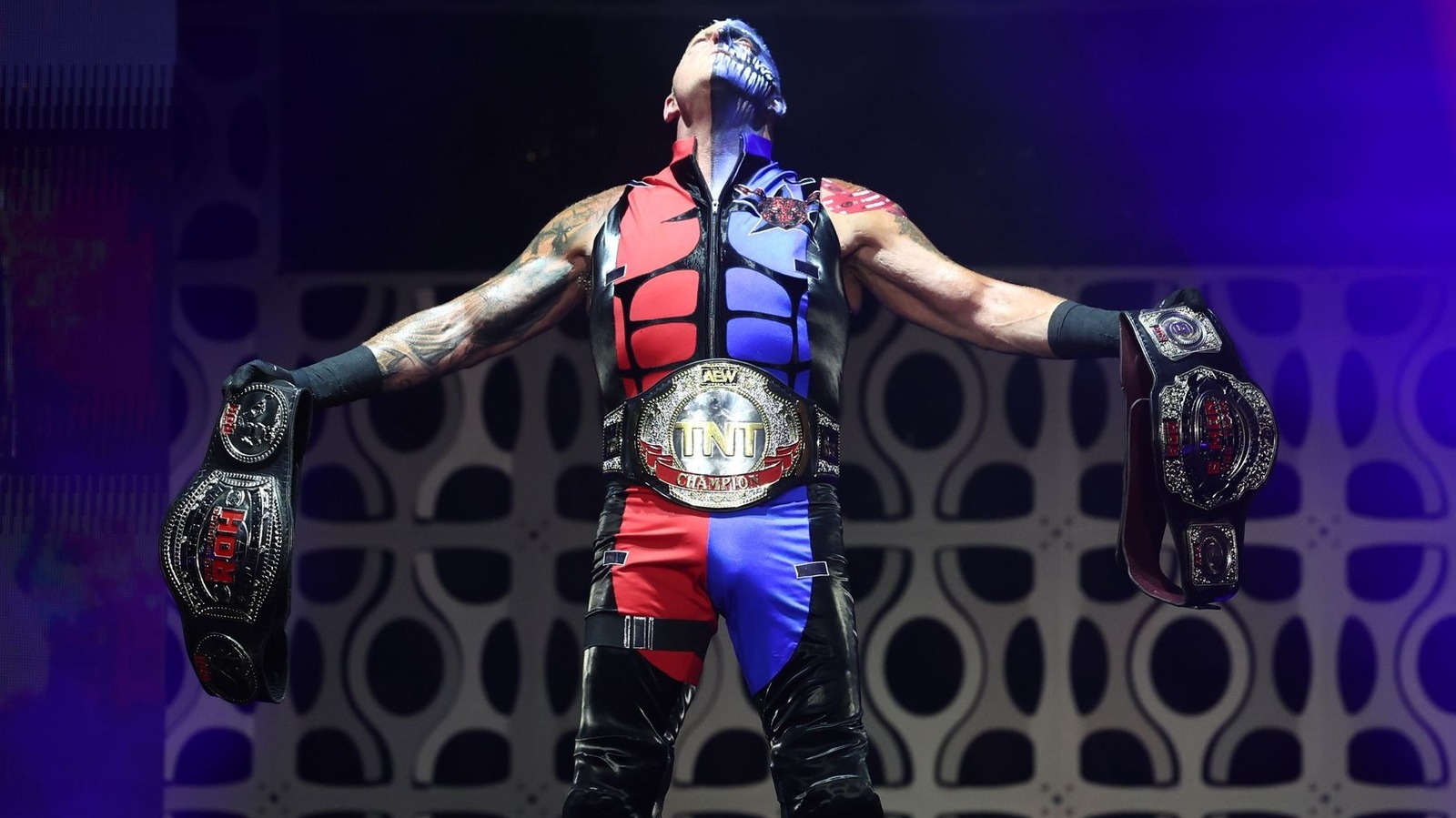
The status of The Natural
Dustin Rhodes is currently sidelined and aiming for an in-ring return by the end of 2026. After a career spanning four decades, the veteran is managing the physical toll of a schedule that has kept him active while his contemporaries have long exited the frame. This represents his latest tactical pause in a career defined by longevity.
Rhodes has been a fixture of the AEW midcard, providing stability both in tag team matches and solo spotlights. His presence is a variable in the promotion’s current rotation, particularly as internal shuffling continues following the recent projections regarding his physical availability. While specifics on the exact injury remain private, the timeline confirms he expects to burn at least six months of recovery before stepping back between the ropes.
Reflecting on a four-decade run
Dustin Rhodes has survived every era of modern professional wrestling. From the Goldust persona that pushed television boundaries in 1995 to his current role as a fundamental wrestling technician, his utility is unmatched. This injury delay forces a necessary conversation regarding the finality of his career.
His career longevity is a statistical anomaly. Most performers who debuted alongside him in the late 1980s retired fifteen years ago. When he returns, the physical demands of high-velocity encounters might prove incompatible with his current anatomical reality. Maintaining his level of performance at his age is a tall order.
The strategic vacuum in the division
The absence of a veteran like Rhodes creates a hole in the locker room leadership. AEW relies on experienced hands to guide younger talent through the mechanics of a televised match. When a primary mentor is absent, the quality of pacing in segments featuring younger athletes often suffers.
Booking teams now face a choice. They can either fast-track younger talent in his absence or rely on other veterans to pick up the slack. Both paths have drawbacks. Relying on younger talent without proper guidance creates amateur mistakes. Over-relying on a handful of other veterans leads to booking fatigue.
Historical precedent for late-career returns
Wrestling history is filled with legends who pushed their retirement window too far. While some transitioned into coaching roles, others opted for one final run that diluted their legacy. Rhodes at the end of 2026 mirrors the late-career stretches of other icons who prioritized nostalgia over output.
The risk here is clear. Returning at the tail-end of a year to restart a momentum-based program is difficult. If the return matches do not land, the reception will be tepid. A poor post-injury run can overshadow years of consistent work. The window between a triumphant return and a forgettable final exit is narrow.
Operational impact and recovery scope
The recovery process for a man of his tenure is not merely about healing bone or tissue; it is about nerve density and recovery speed. Older athletes often find that the gap between clinical clearance and internal readiness is larger than initially estimated. Returning in December of 2026 implies he has cleared the primary hurdles of his rehabilitation program.
If the training feedback is not sufficient by mid-October, the timeline will likely slide into 2027. Wrestlers frequently underestimate the lag time between gym training and match-speed timing. The reality remains that wrestling requires a specific type of reaction speed that training sessions cannot replicate perfectly.
Critical assessment of the current path
There is a recurring issue in how promotions handle veteran performers. By keeping them active until injury forces them away, companies avoid the hard conversation about transition. Retiring on one's own terms is better than retiring because the body breaks down under the weight of a booking contract.
If Rhodes returns, the booking must be selective. Constant weekly travel is a recipe for a secondary, more damaging injury. A limited, high-impact schedule would allow him to contribute without unnecessary risk. Anything beyond that is a gamble that could permanently impact his quality of life post-wrestling.
The finish line is approaching
The conversation regarding his retirement is no longer speculative. It is a functional part of the booking process. He understands that the window for a graceful exit is closing. Whoever handles his creative direction will need to account for this being a terminal chapter in his professional narrative.
His return, while anticipated by a segment of the fanbase, must be treated with caution by the booking committee. Pushing him back into high-intensity spots immediately would be a mistake. The focus should be on short, high-value programs that highlight his technical base rather than his physical capacity for endurance.