The Rock addresses medical emergency
Dwayne Johnson recently disclosed a significant health crisis that occurred away from the cameras and the public spotlight. The former WWE champion revealed that he faced a cancer scare in recent months, marking one of the few instances where the global star has deviated from his high-energy, project-focused public persona to address private medical struggles.
Johnson has since confirmed he received an all-clear medical report. This recent update via Wrestling Inc sheds light on the reality behind the rigorous training clips he regularly posts to social media. While Johnson maintains a grueling schedule, this health turn suggests that even the most high-performing athletes remain susceptible to sudden medical disruptions.
Impact on current industry standing
Perspective shifts quickly when a talent of Johnson's stature confronts such news. His influence inside WWE remains profound, specifically regarding his high-profile creative involvement with the Bloodline narrative. However, this revelation forces a conversation regarding the long-term sustainability of his current output.
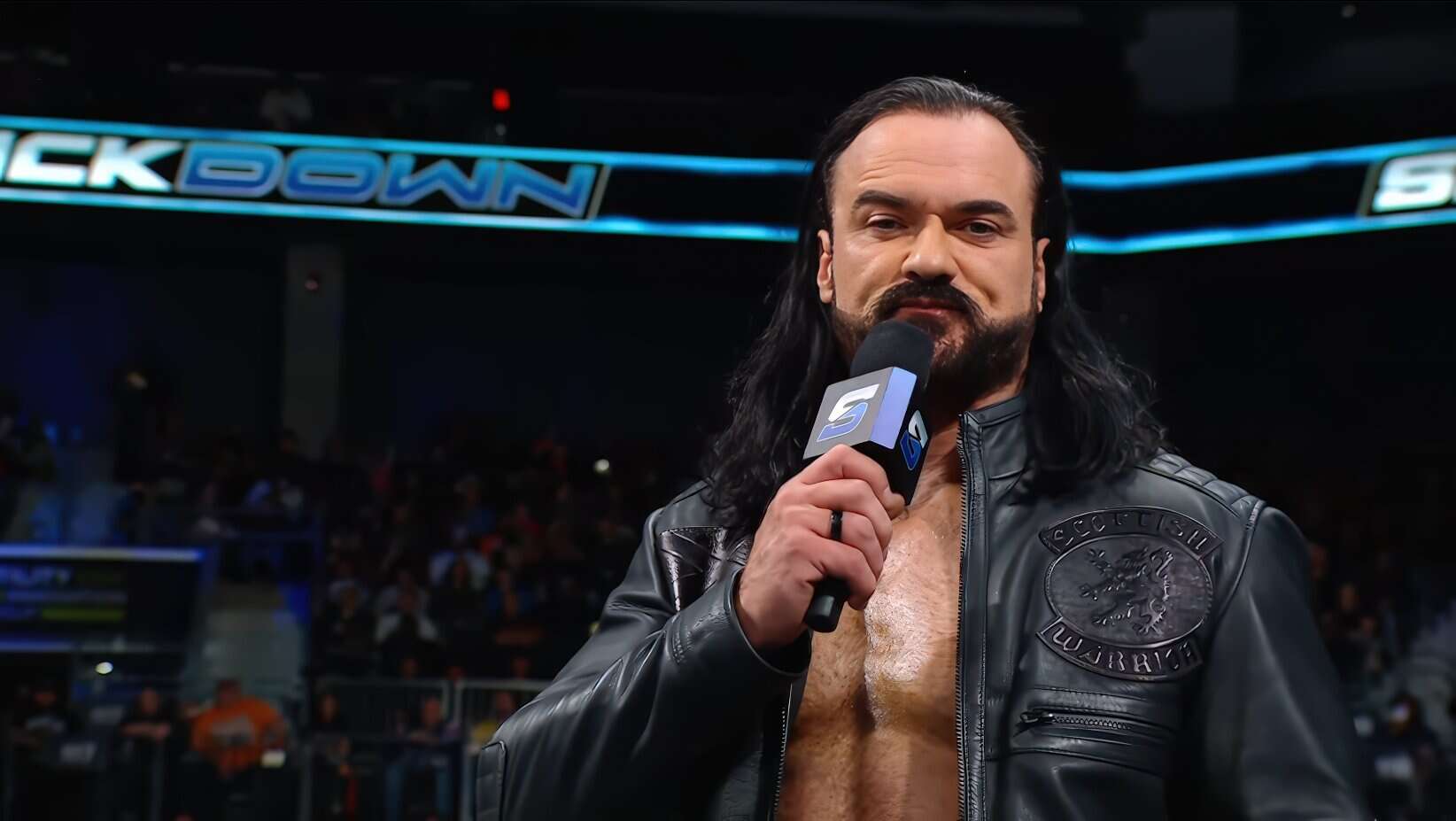
The physical demands placed on Johnson for his film work, combined with the occasional, high-intensity WWE appearances, occupy a space rarely seen in modern entertainment. While he has managed to balance both worlds effectively, this scare raises questions about whether the current workload is viable for the long term. Fans have observed how Drew McIntyre has opted for extended time away to focus on external projects, suggesting a change in how top-tier stars manage their physical reserves.
The reality of the performer lifestyle
Industry veterans understand that the lifestyle of a modern wrestling star is anything but standard. The travel, the training regimen, and the constant need to stay camera-ready for high-budget film sets create a relentless cycle. Johnson’s situation highlights the vulnerability inherent in such an lifestyle, where physical maintenance often competes with professional milestones.
Critics often point to the artificial perfection presented by these performers, but this incident serves as a stark reminder of the underlying toll. It brings into focus the fact that performers like Johnson, Gable, and others are navigating careers that demand constant physical output. When that output is interrupted by illness, it creates a void in television storylines that the creative team struggles to fill.
Moving forward
The wrestling industry relies on the visibility of stars like Johnson to maintain its current momentum, yet the health and safety of these individuals must occupy the primary spot in any logistical planning. If Johnson intends to keep operating at this level, his medical team will likely influence his schedule more heavily moving forward. The transparency shown here is a rarity in a business that usually masks injury or illness under the guise of an extended vacation or undefined character breaks.
There is a growing expectation for transparency when it comes to long-term talent absences. Recently, we have seen troubling news surrounding Chad Gable and the logistical hurdles of recovery. These instances contrast sharply with the traditional approach, where information was kept strictly behind a heavy curtain of corporate secrecy. The shift has been necessary to manage fan expectations in an era where social media allows for constant tracking of talent activity.
For the WWE, this means navigating a future where its biggest part-time attraction might need to scale back his intensity. While the medical report is positive, the industry should view this as a warning sign. Pushing the boundaries of physical performance, whether in the ring or on the set, eventually encounters a hard wall. The focus now turns to how Johnson balances his upcoming slate of filming with his periodic contributions to the screen. Every move he makes will be scrutinized with the lens of his recent health reality.