The gridiron to the squared circle path
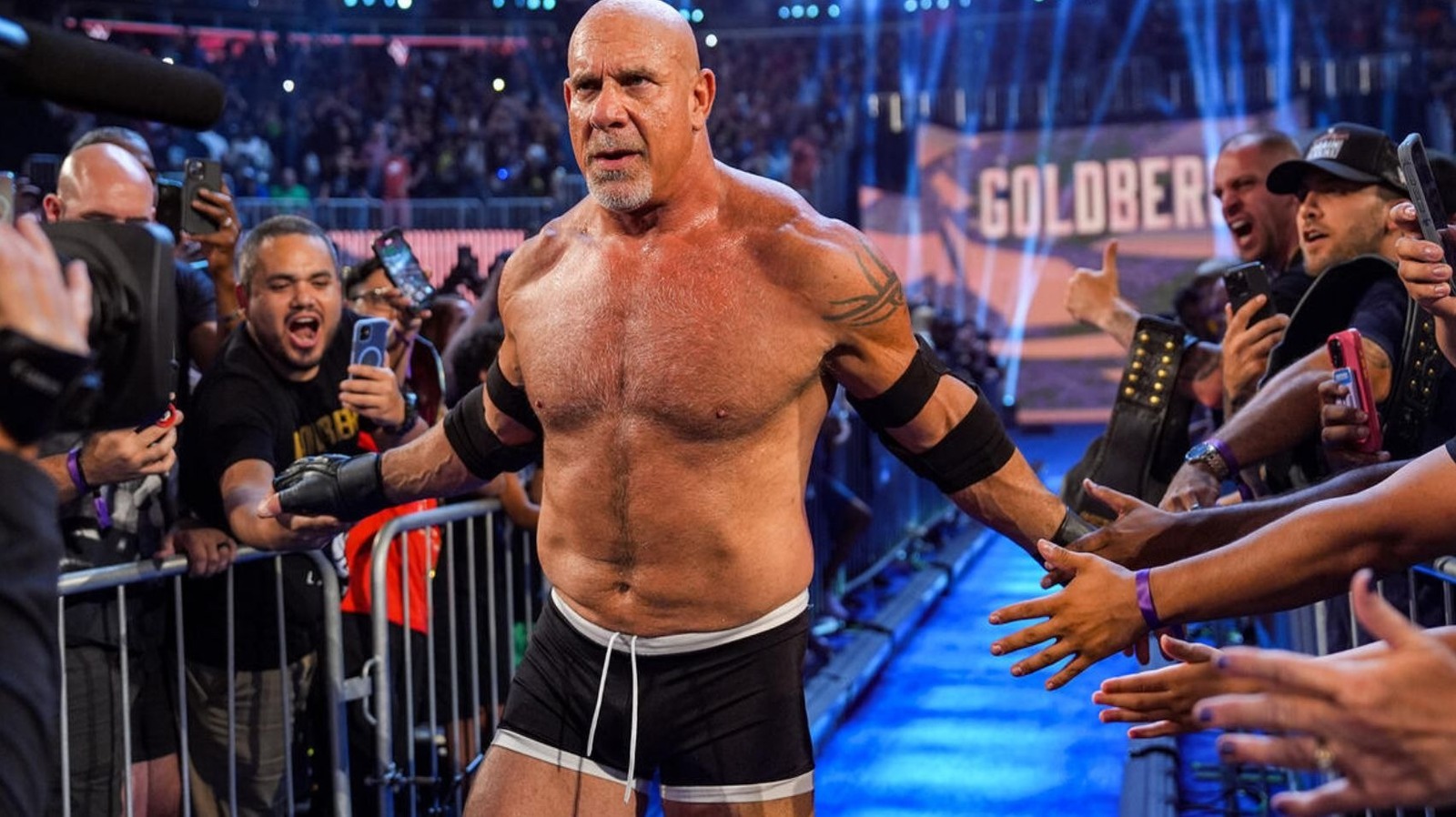
Bill Goldberg’s move from the NFL to the WWE in the late 1990s remains one of the most successful jumps in sports entertainment history. Yet, Goldberg recently opened up about the immense friction involved in that shift. The former WCW champion admits that leaving the structured locker room of pro football for the erratic travel of the wrestling road circuit caught him off guard.
Football programs operate on a strict, rigid schedule. Wrestling, particularly in the 1990s, was chaotic. Goldberg notes that the constant motion and lack of a daily routine were significant hurdles for an athlete conditioned to follow a precise playbook.
The biggest hurdle: Finding a creative voice
The transition wasn't just about physical conditioning or learning how to bump. Goldberg pointed to the shift from performing as a team player to becoming a solo entity as his primary struggle. In football, you execute the play. In the ring, you are responsible for selling the character to a live crowd in a way that feels authentic, even when the lights are low and the travel is exhausting.
The biggest obstacle in my transition from football to wrestling was learning that I could not just be an athlete. I had to become a character.
That quote hits on the exact failure point for most athletes who try to cross over. Goldberg managed to pivot by leaning into his intensity rather than trying to become a technical wizard. He knew his limitations, which helped him protect his limited moveset—the Spear and the Jackhammer—while maximizing his impact on the card.
Critical look at the Goldberg aesthetic
Despite his massive success, Goldberg's reliance on a limited arsenal remains a polarizing topic. While his raw power was undeniable, his refusal to add depth to his work eventually led to diminishing returns during his later runs. Critics argue that his inability to evolve his character beyond the unstoppable force archetype made his mid-2000s and late-2010s matches feel repetitive.
The physical toll of these late-career appearances, such as the 2022 high-profile bouts, lacked the crispness of his 1998 peak. For a guy who prides himself on being an elite athlete, his final matches often looked sluggish. Relying solely on past reputation eventually hit a wall with modern fans who demand more technical variety than a simple power display.
The evolution of the wrestler-athelte
Goldberg serves as the blueprint for the 'big man' attraction. You see shades of his trajectory in the way organizations handle football transitions today. The blueprint is simple: dominate the physical space, limit the variables, and maximize the hype.
However, the industry has changed. Fans now see through the smoke and mirrors of 'protected' talent. While Goldberg mastered the art of being a spectacle, his interview reminds us that being a star requires more than just showing up and looking intimidating. It requires an understanding of the business mechanics, something he clearly had to learn the hard way during his first year on the road.
Ultimately, Goldberg’s career remains a study in efficiency. He didn't need 30 minutes to tell a story. He often got it done in under 5 minutes. That efficiency is exactly why wrestling promoters still talk about his run as the gold standard for crossover success, even if his actual in-ring growth remained stagnant for three decades.
Looking at the modern roster, few have successfully replicated his specific brand of explosive popularity. Most athletes who jump from professional sports try to be too clever. Goldberg succeeded because he stayed in his lane and made people believe he was actually going to hurt his opponent. That is a rare commodity in 2026.