The most unlikely peace treaty in wrestling history
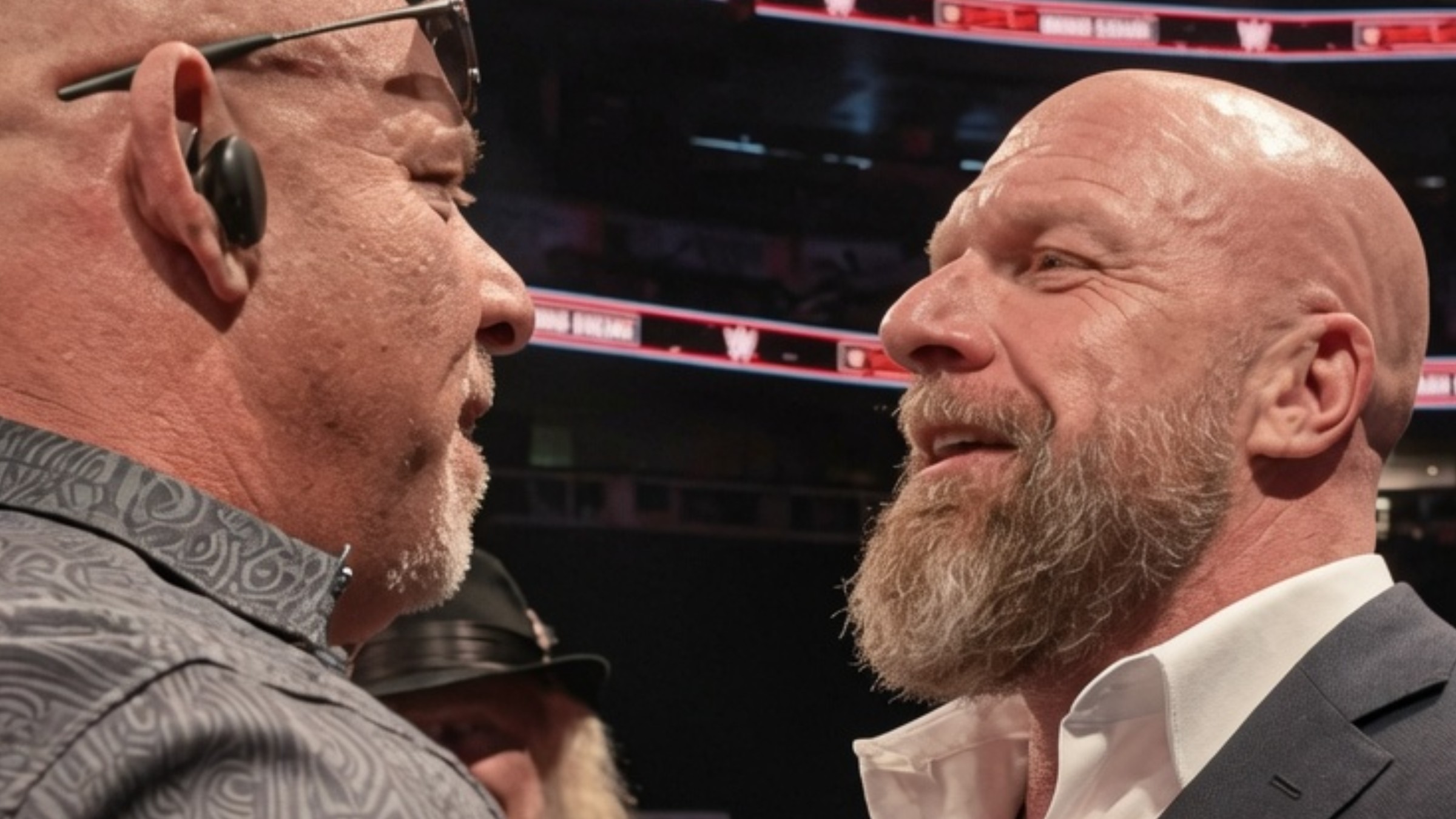
Bill Goldberg just took a flamethrower to the bridges most fans assumed were scorched decades ago. In a recent appearance, the man who once spearheaded WCW's raid on the Monday Night War pivoted to high-fives and handshakes regarding WWE creative lead Triple H.
It is genuinely bizarre to hear. For guys who spent the late 90s and early 2000s in separate camps, treating each other like nuclear options, this pivot to mutual respect feels like a fever dream. The guy who speared opponents into next week is now talking about the Game like they share a cab to the airport.
The backstage shift in corporate perception
Goldberg noted during his latest media rounds that while the history between them is messy, the man behind the desk is a good guy. This isn't just PR fluff from a performer aiming for a final payday. It reflects the broader shift in how talent views the current administration.
When Goldberg opened up about Triple H, he wasn't talking about creative booking or high-spots. He was talking about the person. It is a rare glimpse into the quiet room where former rivals decide to stop being enemies.
Truthfully, at the end of the day, he’s a good guy.
We are talking about two titans who helped solidify the absolute chaos of the Monday Night Wars. They saw the industry from the trenches. Now, the trenches are filled in, and they are essentially telling us that the beef was always secondary to the business.
Why the pivot leaves some fans cold
Let's address the elephant in the arena: this reads like a transition toward a retirement match. WWE loves a good cinematic reconciliation narrative. If you have been following the circuit for years, you know exactly what is happening here.
The move feels designed to pave the way for one last walk down the ramp. It is the classic formula: squash the beef in the press, sign the contract on a Tuesday, and collect the check at the next premium live event. The audience isn't buying the sudden warmth as much as they are bracing for a nostalgic, likely stiff, main event.
It is fair to ask if the shine has worn off. Goldberg at 59 years old hitting a Jackhammer is a visual that requires more medical insurance than my local health clinic can provide. If this is the buildup to a swan song, the promotion needs to be careful not to lean too heavily on the glory days.
Triple H has done a decent job keeping the product focused on the current roster. Bringing back legends for one-off matches is a business strategy, sure, but it often feels like a stall tactic. The booking needs to justify the space on the card. Relying on guys who hit their primes when dial-up internet was the standard is a risky game.
Still, the professional distance they have closed is impressive. You do not survive the grind of the industry for this long without learning how to play the game, or in this case, how to talk to the man who owns it. The optics are smooth, even if the matches of the future look like a physical impossibility.
We will see if this friendliness translates to a concrete appearance. Until then, take the public praise with a massive grain of salt. It is a wrestling promo, after all, just one delivered into a microphone instead of a ring.