The transition from Stamford to the independents
Indi Hartwell is currently recalibrating her professional approach following her November 2024 departure from WWE. The release terminated a tenure that began in 2019, a period defined by the rigid structural constraints of the company’s internal operations. Hartwell has been candid about these experiences, noting that the intensity of corporate micromanagement stifled her creative output.
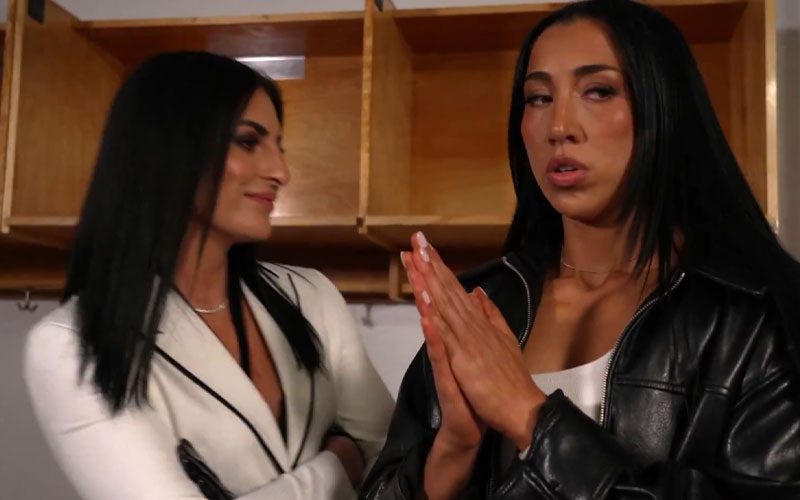
As WrestleTalk reports, Hartwell relied heavily on Steph De Lander for guidance during the immediate aftermath of her exit. This transition period is rarely seamless. Wrestlers groomed under the precise, often sterile environments of the Performance Center frequently report a psychological friction when regaining the autonomy required for independent bookings.
Creative burnout and the YouTube struggle
Hartwell’s recent admissions touch on the exhaustion common among performers who treat every facet of their brand as a high-stakes production. She openly acknowledged losing her motivation for YouTube uploads, citing the difficulty of finding a unique creative groove after years of external oversight. This is a common pattern for talent exiting major promotions; the shift from having a dedicated production team to managing one's own workflow leads to measurable output lulls.
Critics might point to her inconsistent upload schedule as a lack of focus, but the raw reality of the business involves managing mental fatigue. It is a mistake to view talent purely as an asset to be deployed. The lack of a clear artistic vision post-WWE is an injury to her brand identity that requires time to heal. Finding a voice isn't just about showing up for a match; it is about reclaiming the agency stolen by years of scripted promos and restricted character development.
Adapting to the modern locker room
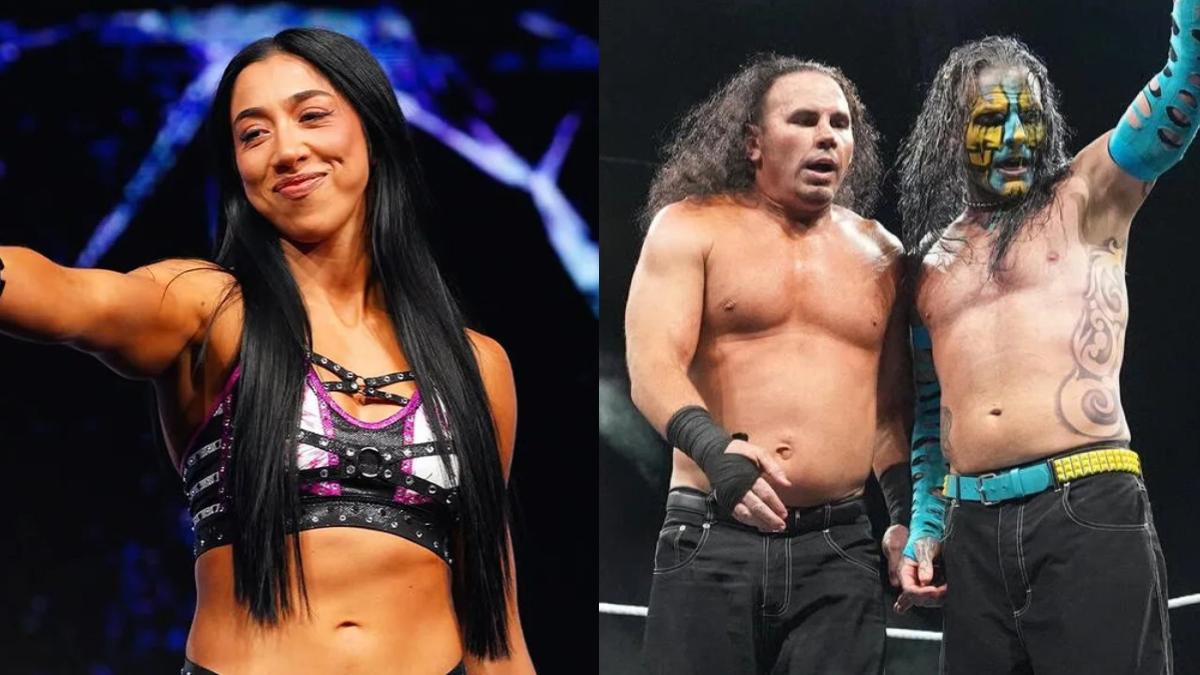
Part of Hartwell's current focus involves navigating the shift into other promotions, specifically TNA Wrestling. She has expressed surprise at sharing a locker room with veterans like Matt and Jeff Hardy. The generational divide in professional wrestling has widened, yet the reliance on legacy acts remains a constant anchor for smaller promotions.
Her perspective on fan interaction reveals a cynical but grounded outlook. She recently noted that direct access to talent via social media is not strictly positive for the performers. This reflects a growing sentiment among talent that the parasocial demands of the current era create unnecessary friction in their personal lives. As Ringside News noted, the constant connectivity expected by the fanbase is becoming an unwanted burden for those trying to maintain boundaries.
The broader trend of post-WWE recalibration
Hartwell is not an outlier. The recent release of talent like Andre Chase, who has since transitioned to a post-WWE identity, suggests that the churn of the current era is reaching a high point. WWE’s tendency to process talent through a highly filtered system creates performers who excel in high-production settings but struggle with the unstructured nature of the wider circuit.
The strategic implication here is clear: the current model fails to prepare athletes for life outside the WWE bubble. When creative instincts are outsourced to writers and agents for too long, the wrestler loses the muscle memory of self-promotion. Hartwell’s struggle is a diagnostic tool for the wider industry, showing that while major promotions capture the most talent, they frequently erode the exact creative independence that makes independent wrestling vibrant.
Whether she can successfully pivot depends entirely on her ability to shed the habits ingrained during her five-year run. The clock is ticking; in a market saturated with high-caliber free agents, the window to define a post-WWE identity is narrow. She must prioritize high-impact independent fixtures over the low-return grind of social media maintenance if she intends to stay relevant in an increasingly crowded talent pool.