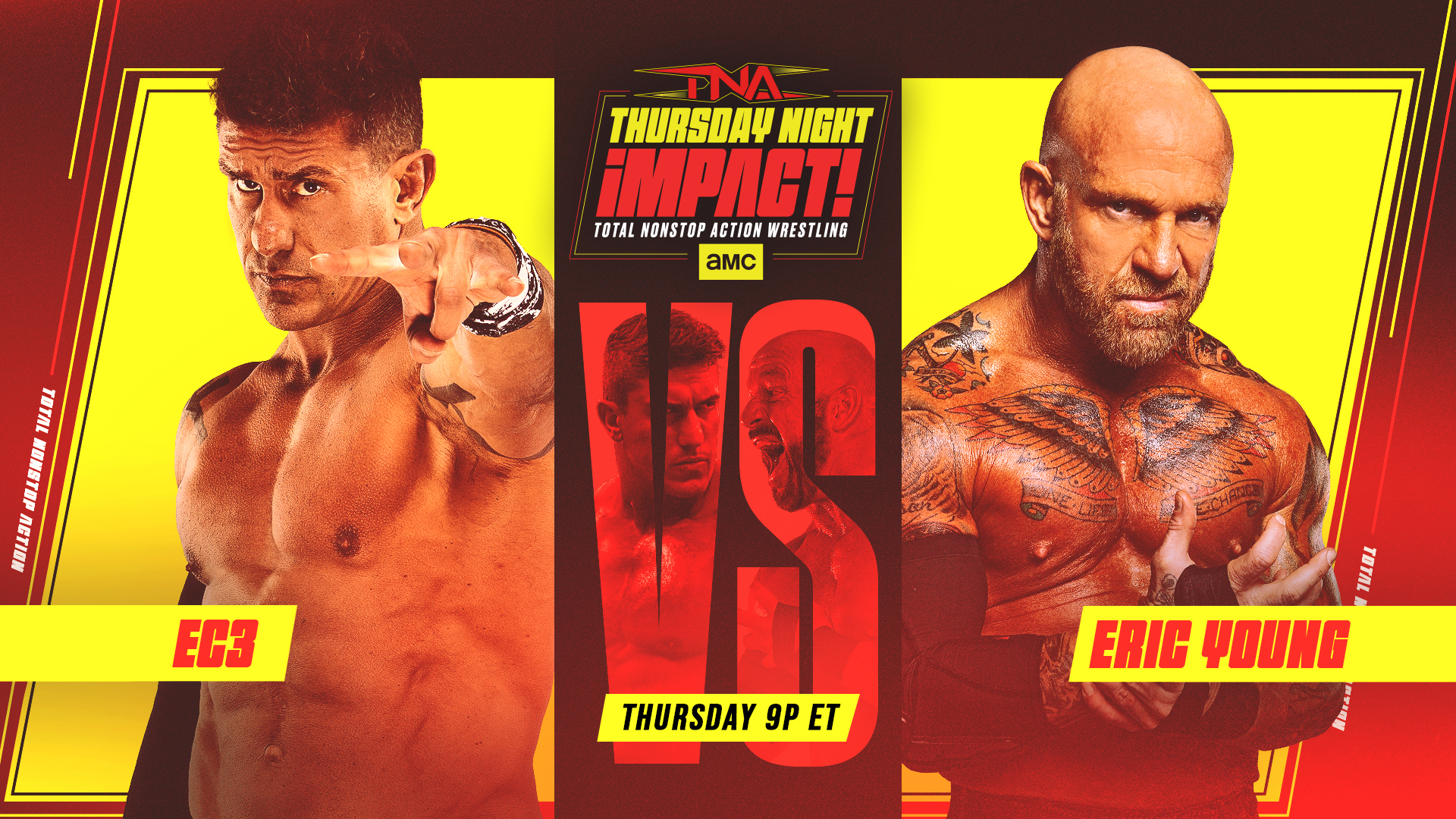
The cost of high-stakes competition
April 18, 2026, marks just 24 hours until the opening bell of WrestleMania 41, yet the industry remains plagued by medical setbacks. As promotions push for peak performance, the physical toll on rosters is becoming impossible to ignore. Recent cards, including the fallout from TNA Rebellion and the latest AEW Collision, have left locker rooms bruised and talent sidelined during the most active phase of the calendar.
Mid-card attrition spikes
The intensity required for qualifying matches in promotions like ROH has created a bottleneck in medical clearance. As documented during the recent ROH TV tapings, the pressure to secure a spot in the Survival of the Fittest tournament is forcing athletes into higher-risk maneuvers. We are seeing an increase in acute joint trauma that threatens to derail storylines months before they hit their peak.
AEW Collision’s physical toll
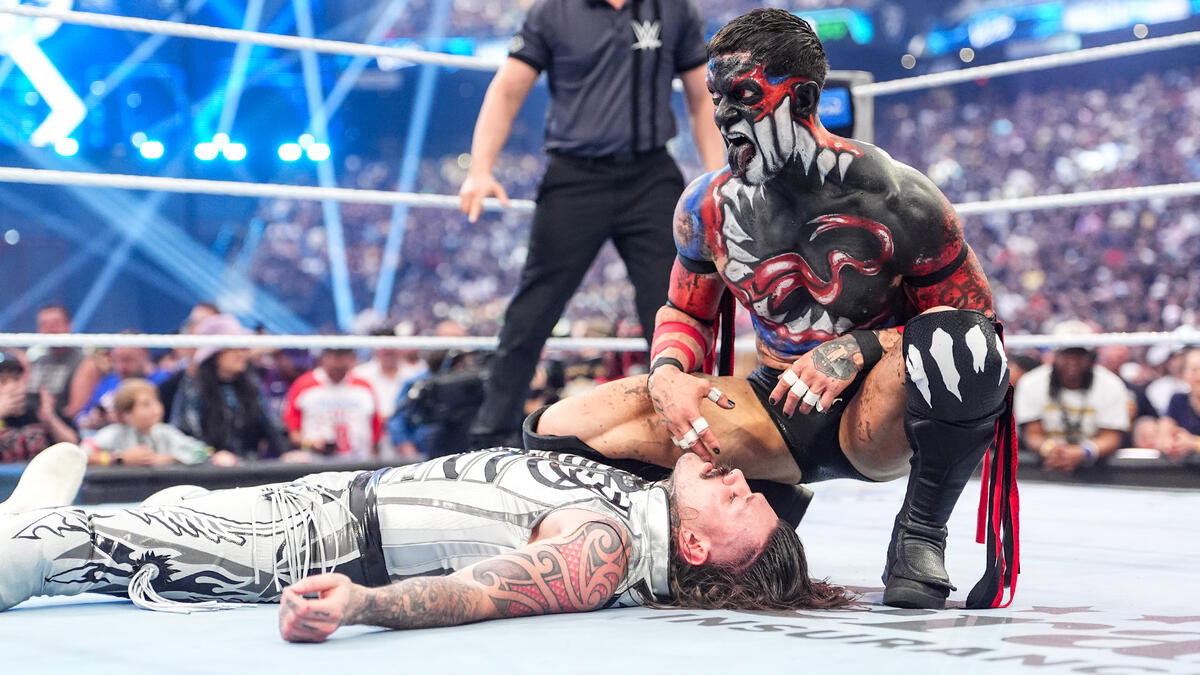
The recent Collision event saw top-tier talent tested to their physical limits. The main event involving Jon Moxley and Nick Wayne underscored the current reality of AEW’s style. Matches built on high-impact exchanges are leaving less space for recovery between televised commitments. While the spectacle draws eyes, the frequency of these high-velocity bouts is pushing the current medical protocols to their absolute edge.
The strategic risk of aggressive booking
Promoters often prioritize immediate gratification over long-term athlete availability. When a card is stacked with high-risk encounters on short notice, the margin for error effectively disappears. The trend of stacking collision-heavy bouts leads to a cycle of emergency recasts. Fans lose out on marquee names, and the consistency of long-term narratives suffers under the weight of recurring absences.
Historical precedents in the injury cycle
Historically, we have seen this level of attrition precede major creative shifts. The 2026 spring schedule mirrors the mid-2010s era where roster depth was tested by simultaneous injuries to top stars. When promotions rely on a small core of athletes to anchor multiple hours of weekly television, a single injury can cause a ripple effect that compromises an entire pay-per-view card.
Looking ahead to the upcoming month
The medical staff at both WWE and AEW face a rigorous few weeks. With WrestleMania 41 kicking off tomorrow and Backlash following on May 9, 2026, there is no downtime. The rapid transition from arena-level events to premium live events creates fatigue that compounds previous strains. The successful navigation of this spring requires more than just high-level athleticism; it requires disciplined load management that many creative teams currently lack.
Critical observations on current medical management
A persistent flaw remains in the lack of transparency regarding specific recovery benchmarks. Information regarding timeframes is often intentionally opaque, leaving fans to guess whether a performer is truly injured or simply being rotated for narrative impact. This uncertainty undermines the seriousness of real injuries. When every minor tweak is obscured by nebulous return estimates, it diminishes the stakes of the actual competition.
Furthermore, the reliance on high-risk technical spots during standard weekly television is a questionable strategy. While these moves provide highlight-reel clips in the short term, they accelerate wear and tear. A cleaner approach to pacing, which emphasizes storytelling over rapid-fire spots, would likely extend the career of every athlete currently on the roster. The industry must reconcile its obsession with intensity with the physiological reality of the performers involved.